
Spirlin
Alburnoides
Description
How to identify
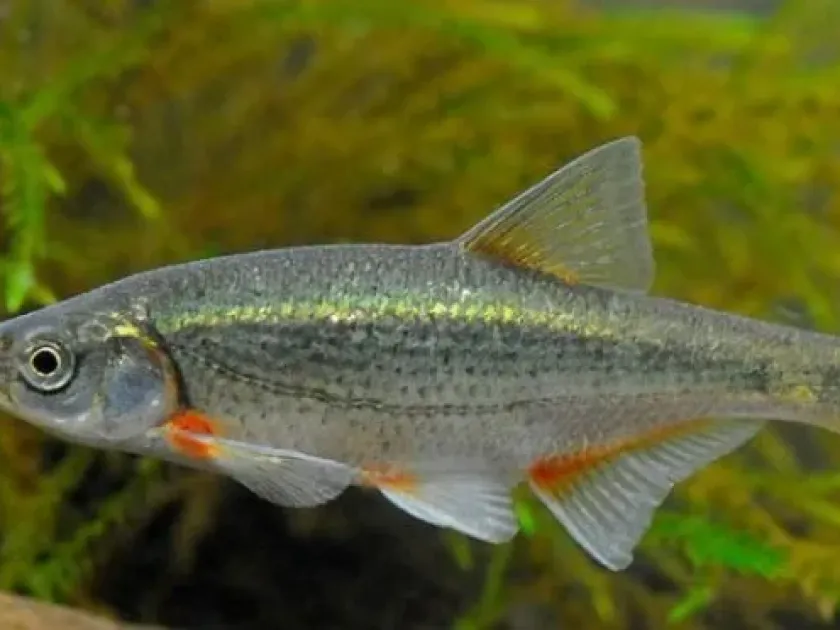
The Spirlin (Alburnoides) is a freshwater fish belonging to the family Cyprinidae (order Cypriniformes), characterized by its streamlined body and distinct keel covered with scales between the pelvic and anal fins.
Typically found in fast-flowing rivers, these fish can inhabit irrigation canals and agricultural reservoirs, adapting well to moving water environments.
They usually reach a length of about 10–12 cm, possess a dark greyish back, and have a lateral line clearly marked with dark pigment spots, distinguishing them from other small cyprinids.
Their reproduction phase begins in spring, where they deposit eggs on rocky substrates, often choosing irrigation channels if they mimic their natural riverine habitats.
These fish are highly social and move in schools, which allows them to colonize new irrigation systems rapidly when water gates are opened.
What it damages
In agricultural settings, particularly rice farming, the Spirlin acts as a nuisance species that interferes with the operational efficiency of irrigation and drainage systems.
Large schools of this fish can cause siltation issues and clog filtration mechanisms at water intake structures, leading to irrigation flow problems.
By consuming zooplankton and macroinvertebrates, they alter the biological balance of the water, which can be detrimental if integrated fish-rice farming methods are used.
Their activity in the water column can occasionally cause physical damage to young rice seedlings, especially in the early stages of plant development.
The accumulation of waste products from high densities of fish can slightly lower water quality, requiring more intensive filtration before water is applied to sensitive crops.
Control measures
The most effective strategy involves installing specialized fish exclusion screens at all water intakes to prevent the ingress of fish into the irrigation grid.
Scheduled drainage of irrigation channels during the off-season effectively eliminates resident fish populations before the start of the next crop cycle.
Regular maintenance of the canal infrastructure, including removing excessive vegetation, reduces the attractiveness of the environment for spawning.
Integrated water management, including physical barriers and light-based deterrents, can successfully keep fish schools away from sensitive pumping equipment.
Monitoring the population density in supply canals helps farm managers decide when to apply mechanical exclusion measures to protect crop production areas.
Taxonomy
- Latin name
- Alburnoides
- Family
- Cyprinidae
- EPPO code
- ALBSSP
Discussion
No discussions yet — be the first.