
Common bream
Abramis brama
Description
How to identify
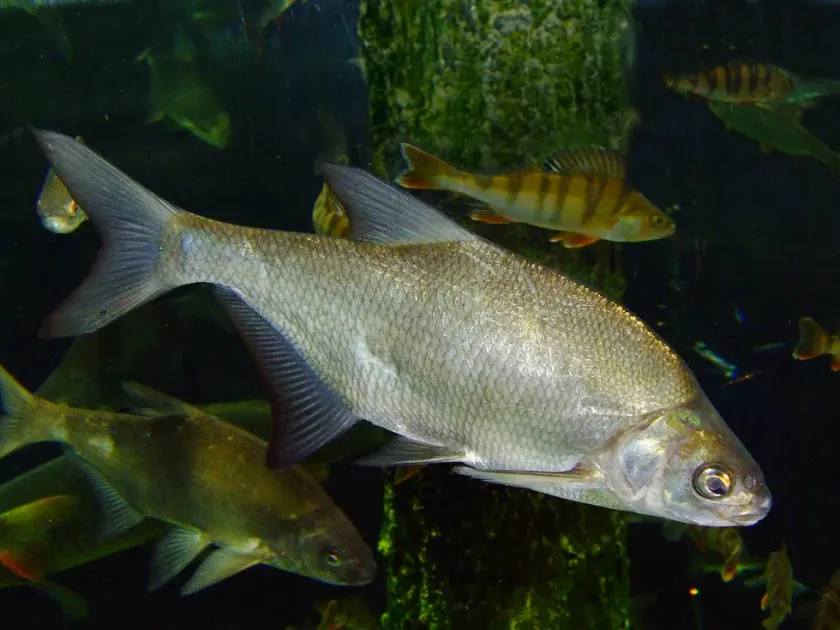
The Common bream (Abramis brama) is a widespread freshwater fish belonging to the Cyprinidae family, characterized by a deep, laterally compressed body.
Adults exhibit a silver-grey coloration that turns into a bronze-golden hue with age, while the fins are typically dark or greyish.
A key biological feature is the presence of an elongated anal fin and a protrusible mouth designed for foraging on the bottom of water bodies.
Juveniles often possess a more slender appearance, which can make identification challenging compared to other small cyprinid species found in the same habitat.
As a ray-finned fish, the bream is highly responsive to its environment, making it a distinct entity in both natural ecosystems and managed aquatic setups.
What it damages
In aquaponic and hydroponic systems, the Common bream acts as an agent of environmental instability due to its bottom-feeding behavior.
The fish frequently stirs up silt and sediment, which clogs filtration systems and reduces the efficiency of hydroponic irrigation components.
Excessive organic waste produced by the bream can lead to high ammonia levels, creating a toxic environment for sensitive plant species grown in the same water.
Mechanical damage to plant roots may occur when fish forage in areas where hydroponic crops are exposed directly to the circulating water.
Competition for dissolved oxygen within closed systems can limit the growth potential of both the fish population and the cultivated flora.
##season##The activity of the Common bream is strictly correlated with water temperature, with peak levels occurring from late spring to late summer.
During the spring spawning period, the fish exhibits heightened physical activity, leading to maximum sediment disturbance in controlled water systems.
Summer months bring increased metabolic rates, necessitating careful monitoring of water parameters to ensure system balance.
As autumn approaches, metabolic activity gradually decreases, though the fish continues to forage, influencing the nitrogen cycle in the setup.
Winter dormancy leads to a significant decrease in environmental impact, providing a window for system maintenance and cleaning.
Signs of infestation
Increased turbidity of the water that persists after mechanical filtration is a primary diagnostic sign of bream presence.
Accumulation of waste at the bottom of the tank indicates an over-density of the fish population relative to the system's filtration capacity.
Stunted growth or chlorosis in plants can be an indirect sign that the bream is affecting the nutritional balance of the aquaponic solution.
Physical breakage or signs of nibbling on exposed plant roots are clear indicators of direct mechanical interaction between the fish and the crops.
Fluctuations in water pH and nitrogen levels, detectable through standard testing, serve as reliable chemical indicators of fish-induced stress.
Control measures
Installing physical barriers such as mesh dividers is the most effective way to separate the bream from sensitive plant-growing areas.
Adjusting fish stocking density based on the total water volume and filtration capabilities is essential for maintaining a healthy aquaponic balance.
Enhancing mechanical filtration, including the use of vortex or swirl separators, helps manage the high sediment load produced by bottom-feeders.
Optimizing feed quality and quantity ensures that less undigested material is released into the water, reducing the organic load.
Regular monitoring of water chemistry and using biological additives can help mitigate the negative effects of the fish on the overall system health.
Taxonomy
- Latin name
- Abramis brama
- Family
- Cyprinidae
- EPPO code
- ABRABR
Discussion
No discussions yet — be the first.