
Hibiscus root mealybug
Ripersiella hibisci
Description
How to identify
The Hibiscus root mealybug (Ripersiella hibisci) belongs to the Pseudococcidae family, in the order Hemiptera. It is a cryptic pest that lives entirely underground.
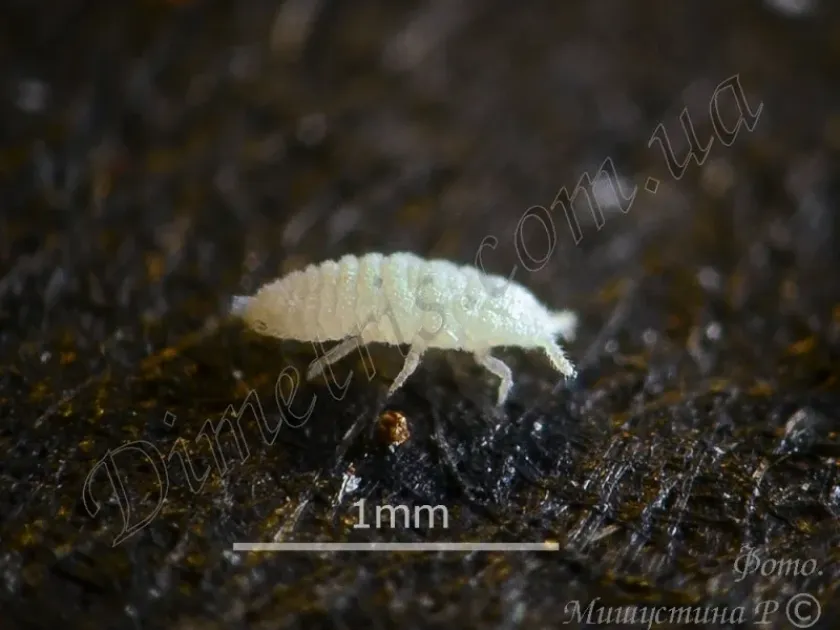
Adult females are characterized by an oval body covered with a protective white wax-like powder, which shields them from environmental stress and contact insecticides.
The mobile crawler stage is highly active in the soil, allowing the infestation to spread rapidly between pots via drainage water or contaminated substrates.
Because they are specialized root parasites, detecting them on the foliage is impossible until the infestation has severely damaged the plant's root system.
Positive identification requires removing the plant from its pot to inspect the root ball for small, white, cottony masses clustering around the roots.
What it damages
The primary hosts for this pest include indoor and ornamental plants, particularly hibiscus, various species of cacti, succulents, and ferns.
The mealybugs feed by inserting their stylets into the fine root hairs, sucking the plant sap and depriving the host of essential nutrients and hydration.
As the root system becomes compromised, the plant exhibits symptoms of physiological drought, failing to transport minerals effectively to the foliage.
Root damage creates entry points for soil-borne pathogens, often leading to secondary root rot, which further accelerates the decline of the plant.
Without intervention, heavy infestations stunt growth, cause chlorosis, and can ultimately kill the infested specimen over time.
Signs of infestation
The most common symptom is sudden wilting of the plant despite maintaining adequate soil moisture, indicating that roots are no longer functioning.
A noticeable decline in growth rates, yellowing of leaves, and an overall stunted appearance are major red flags for an underground infestation.
Inspecting the root ball often reveals a white, powdery, or waxy substance on the roots and the inner surfaces of the container.
In some cases, crawlers may be visible in the drainage tray, having been washed out during a heavy watering session.
- Persistent wilting despite sufficient watering.
- White waxy deposits found on roots or container walls.
- Significant stunting and leaf chlorosis.
Control measures
Control is challenging due to the subterranean nature of the pest, which renders standard foliar sprays ineffective against the population.
The most reliable control method involves a soil drench using systemic insecticides, which are absorbed by the roots and translocated to the sap.
For established infestations, a complete repotting is necessary, involving the removal of old soil and washing the roots with an insecticidal soap solution.
Preventive measures include quarantining new plants and utilizing sterilized potting media to avoid introducing the pest into your collection.
Regular monitoring of drainage trays is essential, as the movement of crawlers can easily turn one infected pot into a widespread infestation.
Taxonomy
- Latin name
- Ripersiella hibisci
- Order
- Hemiptera (bugs, aphids, leafhoppers)
- Family
- Rhizoecidae
- EPPO code
- RHIOHI
Discussion
No discussions yet — be the first.