
Rhoecocoris
Rhoecocoris
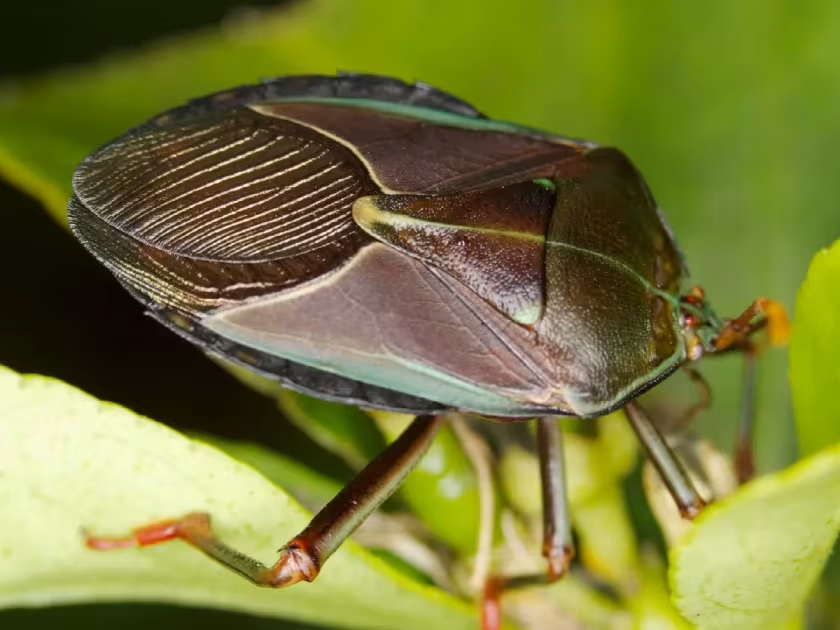
Description
How to identify
Rhoecocoris is a genus of insects belonging to the family Pentatomidae, commonly known as shield bugs or stink bugs due to their distinct shape and odor.
The adults are characterized by their shield-shaped bodies and a large scutellum, which provides structural protection for their wings and abdomen.
These insects exhibit a hemimetabolous development cycle, meaning they go through several nymphal stages that visually resemble adults but lack functional wings.
The coloration of Rhoecocoris species often acts as camouflage, allowing them to blend seamlessly with the foliage, branches, and fruits of their host plants.
Identification typically involves inspecting the structure of the pronotum and the specific patterns found on the dorsal side of the insect's thorax.
What it damages
Rhoecocoris causes significant damage by feeding on plant sap using its specialized piercing-sucking mouthparts, which penetrate deep into plant tissues.
As they feed, they inject salivary enzymes into the plant, which often results in local necrosis and structural deformation of the affected leaves and stems.
Fruits damaged by this pest often develop unsightly pits, lesions, and discoloration, which significantly diminish their commercial and nutritional value.
In addition to direct physical damage, the injection of enzymes can disrupt the plant's metabolic processes and cause fruit drop in severe infestations.
The puncture wounds serve as entry points for various phytopathogenic bacteria and fungi, exacerbating the overall decline of the crop's health.
Signs of infestation
An early indicator of an infestation is the presence of adult insects on the underside of leaves, especially during the warm hours of the day.
Visible damage on the leaves manifests as small, chlorotic spots or necrotic tissue that may eventually lead to premature wilting or leaf drop.
Presence of egg clusters, typically found in organized rows on the underside of leaves, is a definitive sign of active reproduction in the area.
Distorted growth patterns, including curled shoots and asymmetrical fruit development, are clear evidence of chronic feeding by these shield bugs.
A distinct, unpleasant odor is often detectable in highly infested areas, serving as a reliable olfactory sign of a large stink bug population.
Control measures
Effective management requires consistent monitoring of crop health to detect early stages of nymph development before damage becomes severe.
Sanitation practices, such as removing weeds and crop debris, help eliminate potential overwintering sites for these pests in the field or garden.
If population thresholds are exceeded, the application of targeted insecticides should be considered, following local safety protocols and labels.
Enhancing biological control by preserving natural enemies, including parasitic wasps and predatory beetles, can suppress pest populations naturally.
Crop rotation and selecting resistant varieties are long-term strategies that help create an unfavorable environment for the establishment of Rhoecocoris.
Taxonomy
- Latin name
- Rhoecocoris
- Order
- Hemiptera (bugs, aphids, leafhoppers)
- Family
- Pentatomidae
- EPPO code
- RHOESP
Discussion
No discussions yet — be the first.