
Russian knapweed
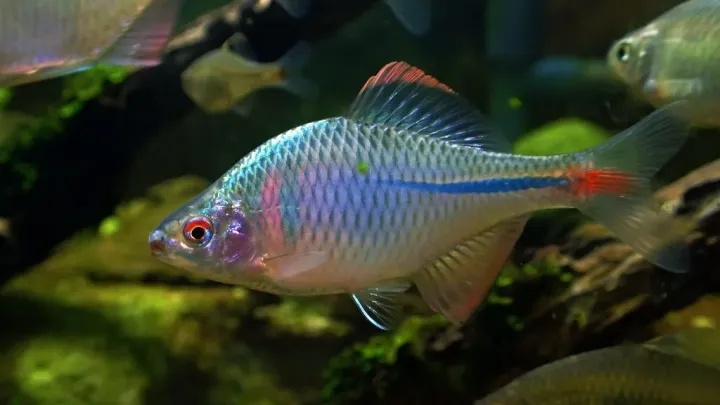
Rhodeus
Description
How to identify
Russian knapweed (often associated with Acroptilon repens, though sometimes confused in nomenclature) is a deep-rooted perennial weed belonging to the Asteraceae family that poses a severe threat to agriculture.
The plant typically grows up to 70 cm tall, featuring branching stems and alternate, oblong leaves. The foliage is characteristically grey-green and covered in fine, dense hairs, giving it a matte appearance.
The root system is the defining feature of this pest, capable of reaching depths of over 10 meters. It functions as a massive reservoir for nutrients, allowing the plant to regrow from even tiny root segments.
Flowers appear as small, pinkish-purple heads that bloom throughout the summer. Each plant is highly prolific, producing thousands of seeds that are easily spread by wind, water, and agricultural equipment.
Due to its aggressive growth pattern and ability to reproduce both by seeds and via root budding, it is classified as one of the most difficult invasive species to manage in cropping systems.
What it damages
Russian knapweed infests a wide range of crops, including small grains, corn, and forage crops, causing significant yield losses by aggressively competing for limited soil moisture and nutrients.
It exerts an allelopathic effect, meaning it releases chemical toxins into the soil that inhibit the germination and growth of neighboring beneficial crops, effectively creating a dead zone around itself.
The weed acts as a "moisture thief," draining the soil profile to depths that reach far beyond the root zones of traditional crop varieties, leaving them vulnerable to drought stress.
Harvested grain contaminated with Russian knapweed seeds is often rejected or heavily discounted at grain elevators because the seeds impart a bitter, toxic taste to flour and animal feed.
Without intervention, infestations can expand rapidly, turning highly productive agricultural land into low-value, weed-dominated wasteland that is incredibly expensive to reclaim.
When it appears
Growth begins in early spring as soon as soil temperatures reach approximately +8 to +10 degrees Celsius, allowing the weed to emerge before most warm-season crops.
Peak vegetative growth occurs during late spring and early summer, as the plant rapidly builds the biomass necessary for the upcoming flowering phase.
Flowering occurs from mid-summer through late summer. This is the period when the plant exerts maximum pressure on the soil’s resources to support seed production and root expansion.
Autumn is the crucial window for nutrient translocation, where the plant moves sugars from the leaves down into the deep root system to prepare for dormancy and winter survival.
The plant maintains its resilience throughout the growing season, showing high tolerance to heat and drought, which allows it to thrive even when crops are suffering.
Signs of infestation
Visual identification of an infestation starts with spotting greyish patches of vegetation that stand out starkly against the vibrant green of a healthy crop field.
Stunted growth or chlorosis (yellowing) of crop plants adjacent to these patches is a strong indicator of the presence of an active knapweed root network beneath the surface.
In mid-to-late summer, the presence of distinct pink/purple flower heads protruding above the canopy serves as an unmistakable warning sign of a growing infestation.
When digging into the soil, you will find thick, dark, and brittle roots that have a woody texture and emit a distinctive odor when damaged or broken.
The final sign of a widespread problem is the presence of bitter-tasting weed seeds or contaminated grain samples during the post-harvest quality assessment process.
Control measures
Effective management requires an integrated approach, combining long-term cultural practices with targeted chemical applications that reach the deepest parts of the root system.
- Fall applications of systemic herbicides like glyphosate are highly effective when applied to actively growing foliage before the first frost.
- Using selective post-emergence herbicides in cereal crops to suppress knapweed growth during the spring phase.
- Frequent and deep cultivation to mechanically exhaust the root system's stored energy reserves.
- Planting competitive crops that provide early canopy closure to shade out the emerging knapweed seedlings.
- Rigorous equipment sanitation to prevent the spread of root fragments and seeds between different fields.
Chemical control is most successful when timed correctly; targeting the plant during the rosette stage or early flowering ensures maximum translocation of the herbicide into the root.
Mechanical control (tilling) must be consistent; erratic or infrequent tilling can actually promote the fragmentation and further spread of the root network across the field.
Total eradication is a multi-year project that requires persistence, typically involving a combination of crop rotation and strictly timed chemical treatments over several seasons.
Taxonomy
- Latin name
- Rhodeus
- Family
- Cyprinidae
- EPPO code
- RODESP
Discussion
No discussions yet — be the first.