
Mehely's horseshoe bat
Rhinolophus mehelyi
Description
How to identify
Mehely's horseshoe bat (Rhinolophus mehelyi) is a mammal species belonging to the order Chiroptera and the family Rhinolophidae. It is a highly specialized insectivorous bat species found in specific ecological niches.
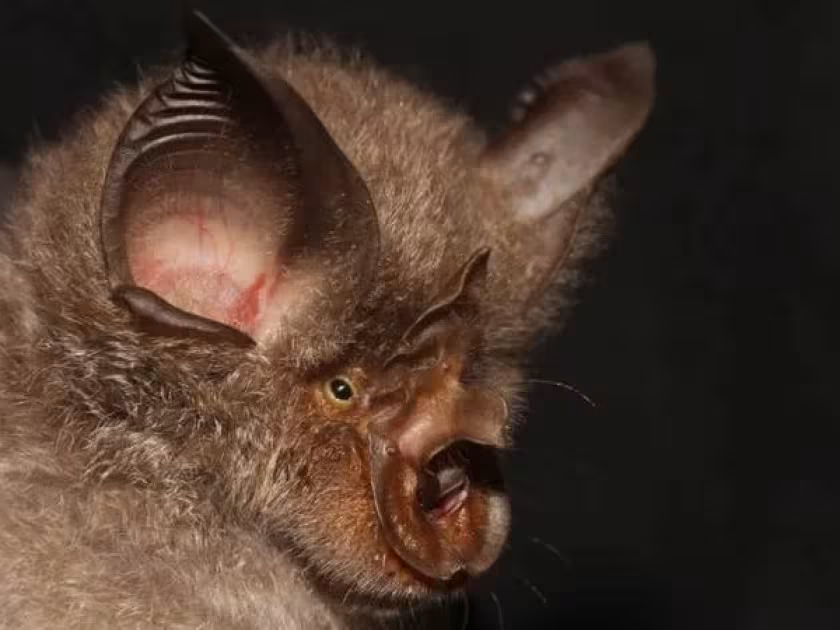
The species is identified by its unique nose-leaf structure shaped like a horseshoe, which is used for echolocation. Their physical appearance includes a dense, greyish-brown fur and a distinct facial profile common to the genus.
Unlike agricultural pests, these bats are highly beneficial predators. Their ecological role involves feeding on nocturnal flying insects, including those that are known to be pests in forestry and agriculture.
They typically inhabit limestone caves, mines, and tunnels. Their life cycle revolves around seasonal migration and communal roosting, which makes them highly sensitive to disturbances in their habitat.
Due to habitat loss and human disturbance, Mehely's horseshoe bat is classified as a vulnerable or endangered species. It is strictly protected under various international environmental conventions.
Control measures
Mehely's horseshoe bat is not a pest. It does not damage crops, feed on plant tissue, or interfere with agricultural production in any negative way. There are no control measures designed for this species.
Farmers are encouraged to protect this species, as it contributes to natural pest suppression. By consuming agricultural pests, they help maintain the balance of the agroecosystem without the need for synthetic chemicals.
Conservation strategies involve protecting cave systems and reducing the use of broad-spectrum pesticides in agricultural fields near known bat colonies to avoid secondary poisoning of these beneficial animals.
There are no chemical or mechanical methods for controlling these bats, as they are essential for biodiversity. Providing safe roosting sites is a recommended practice in regions where these bats are present.
In summary, Mehely's horseshoe bat is a non-pest species of high conservation priority. Its presence in rural environments should be welcomed as a sign of a healthy and balanced agricultural ecosystem.
Taxonomy
- Latin name
- Rhinolophus mehelyi
- Family
- Rhinolophidae
- EPPO code
- RHLPME
Discussion
No discussions yet — be the first.