
Horseshoe bat
Rhinolophus
Description
How to identify
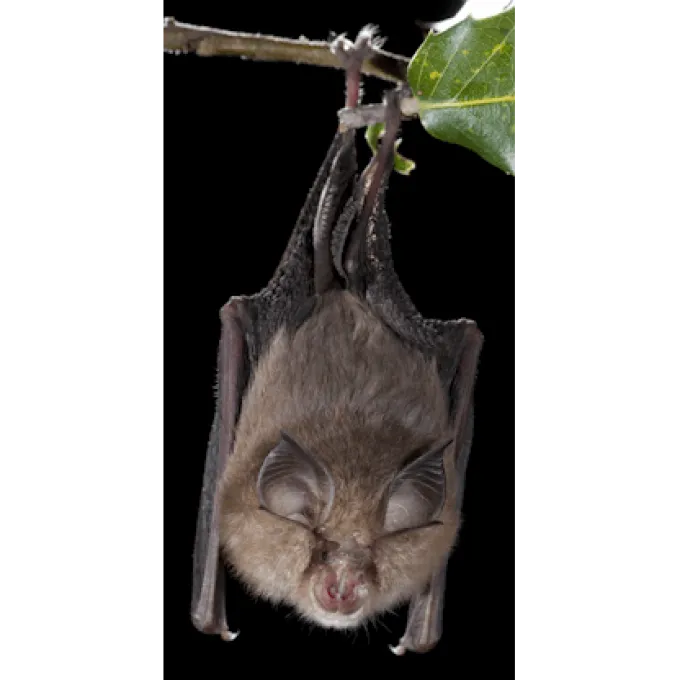
The horseshoe bat (genus Rhinolophus) belongs to the family Rhinolophidae. These nocturnal mammals are widely recognized by the complex, horseshoe-shaped noseleaves that act as acoustic lenses for their echolocation system.
As strictly insectivorous creatures, horseshoe bats are not considered agricultural pests. They do not consume crops, nor do they damage fruits, leaves, or roots, making them harmless to agricultural production.
Their morphological adaptation is highly specialized for detecting small flying insects. They use high-frequency sounds to navigate and hunt in total darkness, which allows them to capture prey efficiently in flight.
In the agricultural landscape, horseshoe bats provide a critical ecological service by suppressing populations of nocturnal insect pests, including various types of moths and beetles that threaten crop health.
These animals are highly sensitive to their habitat, making them excellent bioindicators of environmental quality. Their presence is a sign of a healthy, biodiverse agricultural ecosystem with reduced chemical impact.
When it appears
The seasonal activity of horseshoe bats begins in early spring, synchronized with the emergence of insect populations after winter diapause. This is when they start their intense nightly foraging to support their metabolic needs.
Summer is the peak season for hunting, especially for nursing females requiring higher energy intake. During these months, bats are most active around agricultural fields where insect activity is abundant.
As temperatures drop in autumn, bats prepare for hibernation by foraging to build up fat reserves. This period is crucial for ensuring their survival throughout the upcoming winter months.
Winter brings the hibernation phase, where bats enter a state of torpor in sheltered locations such as caves or tunnels. They rely on their stored energy to survive until the first spring insects emerge.
This cyclic behavior makes them predictable and reliable allies in biological pest management, as they are naturally active during the peak cycles of many insect species that attack cultivated crops.
Control measures
No control measures are needed to remove horseshoe bats; rather, conservation measures are highly recommended. They act as natural pest control agents, reducing the economic threshold of many insect threats.
To support these beneficial animals, farmers should limit the use of broad-spectrum insecticides, which can poison bats directly or eliminate their food supply. Selective pesticide use is preferred in integrated pest management.
Preserving old trees, hedges, and abandoned farm buildings provides essential roosting sites for horseshoe bats. Maintaining these landscape features ensures a stable population of bats near production fields.
Reducing artificial night lighting around farmhouses and field margins is beneficial, as light pollution can interfere with the bats' echolocation and hunting patterns.
Incorporating habitat management for bats into farm planning aligns with sustainable agricultural practices, improving the overall ecological balance and reducing dependency on chemical inputs.
Taxonomy
- Latin name
- Rhinolophus
- Family
- Rhinolophidae
- EPPO code
- RHLPSP
Discussion
No discussions yet — be the first.