
Mediterranean horseshoe bat
Rhinolophus euryale
Description
How to identify
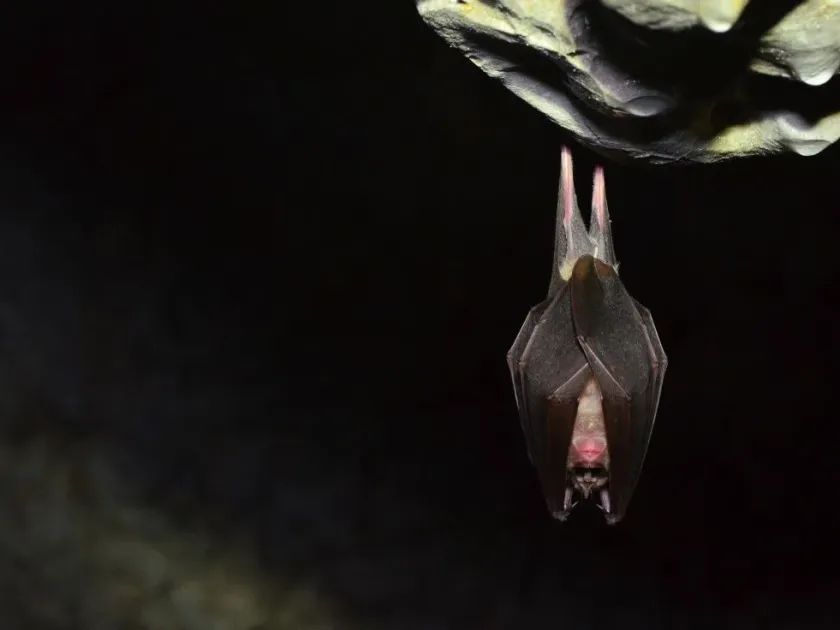
The Mediterranean horseshoe bat (Rhinolophus euryale) is a mammalian species belonging to the order Chiroptera and the Rhinolophidae family. It is recognized by the characteristic horseshoe-shaped fleshy outgrowth on its snout.
Its fur is typically grayish or reddish-brown, providing camouflage during flight. The species possesses broad wings allowing for highly maneuverable flight in dense habitats, such as shrublands or cave entrances.
These bats are highly sensitive to environmental conditions, requiring stable temperature and humidity levels within their roosting sites, which usually include caves and tunnels.
The species relies heavily on echolocation to navigate and capture prey. This sophisticated biological system is highly specialized, allowing them to distinguish between different insect species at night.
Due to habitat loss and human disturbance, Rhinolophus euryale is classified as a threatened species, and international conservation efforts are in place to ensure its survival.
What it damages
The Mediterranean horseshoe bat is not an agricultural pest. It is a strictly insectivorous mammal that preys on moths, beetles, and other nocturnal insects.
There is no evidence that this species causes damage to crops, vegetables, or fruits. Its ecological role is strictly that of a predator within the food chain, specifically targeting insect populations.
In fact, this species serves as a natural pest control agent. By consuming large quantities of insects, including those that are agricultural pests, it helps maintain the health of the surrounding landscape.
Farmers should consider these bats as beneficial allies. Reducing chemical insecticide use in areas where these bats reside can enhance their population and improve the overall natural pest management of the farm.
Labeling this species as a pest is scientifically incorrect. Their presence is a sign of a healthy and balanced ecosystem capable of providing natural pest regulation services.
Control measures
There are no control measures for this species as it is a beneficial organism. Instead, the focus should be on habitat preservation and biodiversity promotion.
Agricultural practices should be designed to minimize the impact of chemicals on natural bat habitats. Integrated Pest Management (IPM) strategies often acknowledge the role of bats as important insect predators.
If they roost in agricultural outbuildings, it is recommended to maintain their habitat while ensuring basic hygiene standards for the storage of farm products.
Legislation in many regions protects this species, making any form of extermination or disturbance illegal and environmentally harmful.
Educating local communities about the importance of bats in agriculture is crucial. Protecting the Mediterranean horseshoe bat benefits the entire ecosystem by ensuring natural insect regulation.
Taxonomy
- Latin name
- Rhinolophus euryale
- Family
- Rhinolophidae
- EPPO code
- RHLPEU
Discussion
No discussions yet — be the first.