
Lesser horseshoe bat
Rhinolophus hipposideros
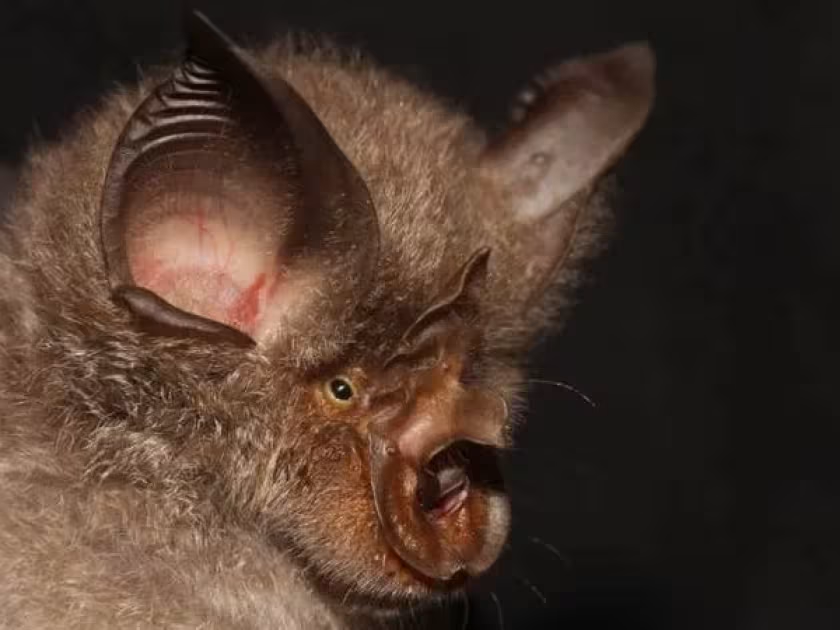
Description
How to identify
The Lesser horseshoe bat (Rhinolophus hipposideros) is a mammal belonging to the order Chiroptera and the family Rhinolophidae. Its common name derives from the distinctive horseshoe-shaped nose-leaf.
It is one of the smallest species in its family, with adults weighing between 5 and 9 grams. A characteristic behavior is wrapping themselves tightly in their wings while roosting, creating a cocoon-like appearance.
These bats are strictly nocturnal and use echolocation to navigate. Their flight is highly agile, allowing them to hunt for insects within dense thickets and foliage where other predators struggle.
They typically roost in caves, tunnels, and old buildings. During winter, they hibernate in colonies in locations that maintain stable temperatures and humidity levels.
It is critical to understand that this species is an insectivore. It does not damage plants, and labeling it as an agricultural pest is biologically incorrect.
What it damages
The Lesser horseshoe bat does not cause any damage to agricultural crops as it does not feed on plant tissues. Its diet consists entirely of flies, moths, and other small insects.
Unlike true agricultural pests, they do not gnaw on roots, stems, or leaves. In fact, they provide ecosystem services by suppressing insect populations that could otherwise damage crops.
Their physiological adaptation is purely for carnivorous digestion. Agricultural products are of no interest to them, and they lack the physical capability to consume plant matter.
Misconceptions about bats being pests usually stem from general folklore rather than agricultural science. These animals pose zero threat to cereal, vegetable, or fruit production.
Human activities, such as building renovations, are a threat to these bats, but they do not pose a threat to the farmers' harvests.
Control measures
No control measures are necessary for the Lesser horseshoe bat as it is not a pest. On the contrary, it is a protected species in many regions due to its ecological value.
Farmers are encouraged to protect roosting sites, as these bats help control insect pest populations naturally. Their presence is a sign of a healthy, biodiverse agricultural environment.
If roosting colonies are found in farm buildings, non-lethal, humane exclusion methods should be used only if strictly necessary, always complying with local wildlife conservation laws.
Broad-spectrum insecticide use can indirectly harm bat populations by depleting their food supply. Integrating biological pest control methods is a better practice for both farming and conservation.
The Lesser horseshoe bat serves as a bioindicator. Protecting them helps maintain ecological balance, which is ultimately beneficial for sustainable farming operations.
Taxonomy
- Latin name
- Rhinolophus hipposideros
- Family
- Rhinolophidae
- EPPO code
- RHLPHI
Discussion
No discussions yet — be the first.