
Pompelon marginata
Pompelon marginata
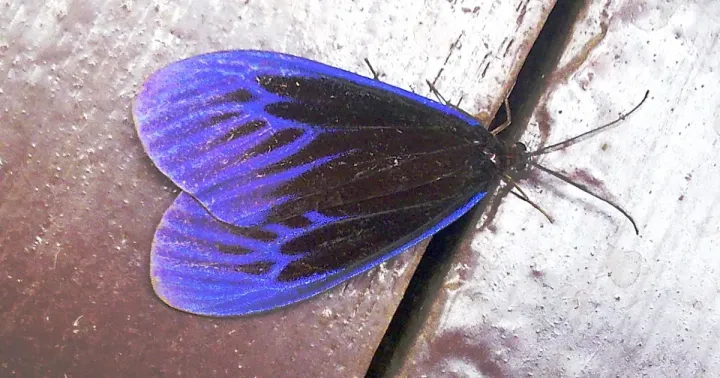
Description
How to identify
Pompelon marginata is a species of moth belonging to the Zygaenidae family. As an agricultural pest, it is primarily recognized for the damage its larvae cause to various perennial crops, particularly grapes.
Adult moths of this species exhibit a dark-colored wing pattern with distinct light margins, which characterizes their appearance. They are typically diurnal, showing peak activity during sunny daylight hours.
The larvae, or caterpillars, are the primary life stage responsible for plant damage. They possess a robust chewing mouthpart, allowing them to feed extensively on vegetative plant tissues.
Taxonomically, the species is part of the order Lepidoptera. Understanding its lifecycle within the Zygaenidae family is crucial for implementing effective pest management programs in commercial vineyards.
Field identification is supported by morphological analysis of the adults and larvae. Monitoring populations using pheromone traps is standard practice for professional agronomists to identify the presence of this pest early.
What it damages
The main damage is inflicted by the larvae, which consume leaf tissue. This feeding behavior significantly reduces the photosynthetic capacity of the plants, affecting overall growth and health.
Vineyards are the most common host for Pompelon marginata. Larvae feed on the foliage, and in severe infestations, they can skeletonize leaves, leaving only the veins behind.
The loss of leaf surface area has a direct impact on grape development, leading to lower sugar accumulation and overall fruit quality. Furthermore, damaged vines are more susceptible to secondary infections.
Heavy infestation levels can weaken the plants significantly, impacting the wood ripening process and potentially reducing the yields of subsequent seasons.
Economic damage depends on the population density. When caterpillars are numerous, they can quickly defoliate significant portions of the vine, necessitating immediate intervention.
When it appears
The lifecycle of Pompelon marginata is heavily influenced by regional climatic conditions. Adult emergence typically occurs as temperatures rise in late spring.
Larval activity is most intense during the summer months, coinciding with the rapid vegetative growth phase of the host plants. During this time, multiple larval stages may be present simultaneously.
Overwintering usually occurs in the pupal stage. Cocoons are often hidden in protected areas such as tree bark crevices, plant debris, or the top layer of soil near the base of the plant.
In spring, rising temperatures trigger the emergence of adults, which marks the start of the monitoring period. Proactive scouting is essential during this initial flight phase.
Depending on the latitude and climate, the pest can complete one or more generations per year. Warmer climates allow for higher reproductive potential, increasing the pressure on crops.
Signs of infestation
The first signs of infestation are small, irregular holes on the leaves. As the larvae grow larger, the size and number of these holes increase, indicating expanding feeding activity.
Frass (larval excrement) appearing as small, dark pellets on the leaves or underneath the canopy is a clear indicator of active feeding by Pompelon marginata caterpillars.
In some cases, larvae use silk webbing to fold or tie leaves together. These shelters provide protection from both predators and spray applications.
Yellowing or premature browning of leaf margins can occur as a result of disrupted vascular tissue within the foliage caused by larval feeding.
Direct inspection of the undersides of leaves and leaf petioles during the day can reveal the presence of the caterpillars, which often remain still to avoid detection.
Control measures
Integrated pest management strategies include cultural practices such as removing leaf litter and cleaning vine bark to eliminate overwintering pupal sites.
Biological control agents, particularly those based on Bacillus thuringiensis, are highly effective against early-instar larvae and are considered environmentally friendly.
Chemical control should be timed to coincide with the hatching of the first-generation larvae. The use of systemic or contact insecticides is recommended when population thresholds are exceeded.
Pheromone traps serve a dual purpose: monitoring population trends and disrupting mating cycles, which helps in suppressing the overall density of the pest.
- Follow recommended pre-harvest intervals for all insecticides.
- Rotate chemical classes to prevent the development of pesticide resistance.
- Monitor natural predator populations to maintain ecological balance in the vineyard.
Taxonomy
- Latin name
- Pompelon marginata
- Order
- Lepidoptera (butterflies)
- Family
- Zygaenidae
- EPPO code
- POMPMA
Discussion
No discussions yet — be the first.