
Elcysma
Elcysma
Description
How to identify
Elcysma (Elcysma westwoodii) is a member of the Zygaenidae family within the order Lepidoptera. This day-flying moth is notable for its unique appearance, which often mimics other insects as a defensive mechanism against predators.
Adult moths feature distinctively dark patterns on semi-transparent wings. With a wingspan typically ranging from 40 to 50 millimeters, they are easily recognizable when observed in an orchard environment during their peak activity hours.
The larvae, or caterpillars, are characterized by their vivid coloration and the presence of hairs, which serve as a warning to potential predators. They tend to feed openly, making them visible on the leaves of host plants.
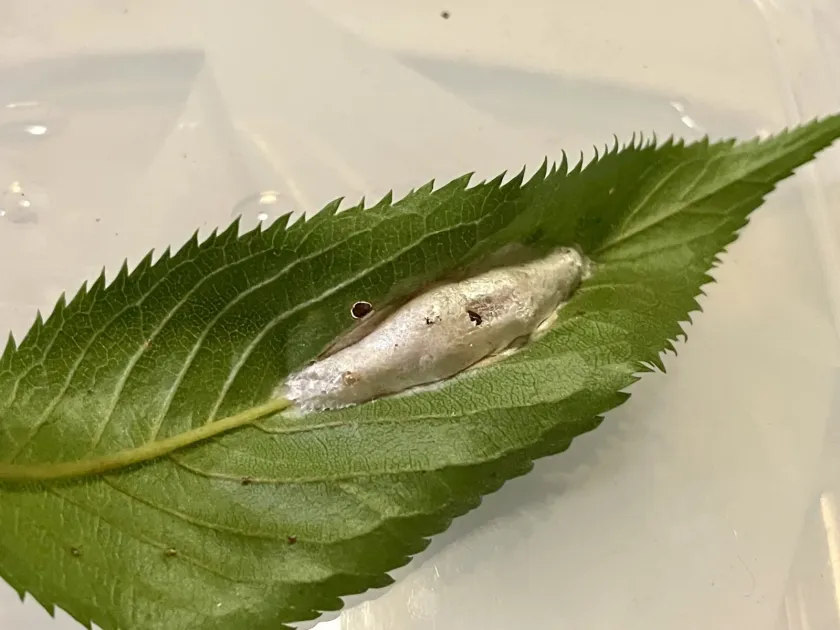
The life cycle of this pest is highly synchronized with the growth stages of its host plants. Overwintering occurs in the pupal stage within thick, protective cocoons often attached to tree bark or thick branches.
Successful identification requires an observant eye, especially during the early spring when larvae emerge. Differentiating this species from other defoliators is crucial for choosing an effective management strategy.
What it damages
Elcysma primarily targets members of the Rosaceae family. Fruit trees such as cherries, plums, and apricots are the most common hosts, making this pest a significant threat to commercial orchards and home gardens alike.
The damage is caused by larvae feeding on foliage. They skeletonize leaves, leaving only the main veins, which drastically reduces the tree's ability to perform photosynthesis and produce energy for fruit development.
In cases of severe infestation, entire trees can be defoliated. This loss of foliage creates significant stress for the tree, weakening its vigor and reducing the potential for successful fruit production in the current and subsequent years.
Young trees and saplings in nurseries are particularly vulnerable. Heavy feeding can stunt growth, cause deformation of the shoots, and make the tree highly susceptible to winter cold and secondary infections.
Overall economic impact stems from reduced crop yields and the increased costs associated with tree recovery and pest management. Continuous monitoring is essential to prevent these losses.
When it appears
The activity of Elcysma peaks during the spring and summer months. Larvae typically emerge from overwintering sites in sync with the bud-break phase of host trees, beginning their feeding cycle immediately.
The adult moth flight period occurs during the summer, where mating and egg-laying take place. Depending on the local climate, the species may produce one or more generations per year, prolonging the threat.
As autumn approaches, the final stage larvae prepare for winter by spinning cocoons. This diapause stage is a critical survival mechanism that allows the pest to endure cold weather until the next growing season.
Monitoring efforts should intensify as temperatures rise in the spring. Observing the underside of leaves for egg masses can provide an early warning before widespread feeding damage occurs.
Predicting the onset of the next generation allows for precise timing of interventions. Integrating seasonal observations into an orchard management plan ensures better control results.
Signs of infestation
The most obvious sign of an Elcysma infestation is the presence of damaged leaves with irregular holes or completely consumed margins. These patterns are clear indicators of caterpillar feeding activity.
The accumulation of frass (caterpillar droppings) on the leaves and ground beneath the tree canopy is a strong indicator of a significant infestation. Often, several caterpillars can be found feeding in close proximity.
Silken webbing may also be present, used by the larvae for protection or anchoring. This webbing is often observed near the damaged leaf clusters where the insects hide during the hottest parts of the day.
Pupal cocoons attached to branches or the trunk are a definitive sign of an established population. Detecting these during the dormant season allows for targeted mechanical removal before the next spring.
Using light traps during the adult moth flight period is an effective method for assessing population density. Monitoring trends from these traps helps in making informed decisions about the necessity of control measures.
Control measures
Mechanical control is highly effective for small infestations. This includes the manual collection of caterpillars and the destruction of cocoons found during the pruning and winter maintenance of the orchard.
Biological control agents, particularly microbial insecticides like Bacillus thuringiensis, are effective against young larvae. These options provide a safer alternative that minimizes harm to beneficial insects and pollinators.
Chemical control should be reserved for situations where the pest density exceeds the economic threshold. Applying systemic insecticides during the peak activity of larvae can effectively mitigate population spikes.
Promoting a healthy orchard ecosystem by encouraging natural predators such as birds and beneficial insects is a sustainable strategy. Increasing biodiversity helps in naturally suppressing pest outbreaks over time.
Good agricultural practices, including balanced fertilization, appropriate irrigation, and timely pruning, help maintain tree health. A vigorous tree can better tolerate minor herbivory and recover faster from pest pressure.
Taxonomy
- Latin name
- Elcysma
- Order
- Lepidoptera (butterflies)
- Family
- Zygaenidae
- EPPO code
- ELCYSP
Discussion
No discussions yet — be the first.