
Artona
Artona
Description
How to identify
Artona (Artona) is a genus of moths belonging to the family Zygaenidae, commonly known as burnet moths. In agricultural practice, specific species are recognized as significant pests of grapevine plantations.
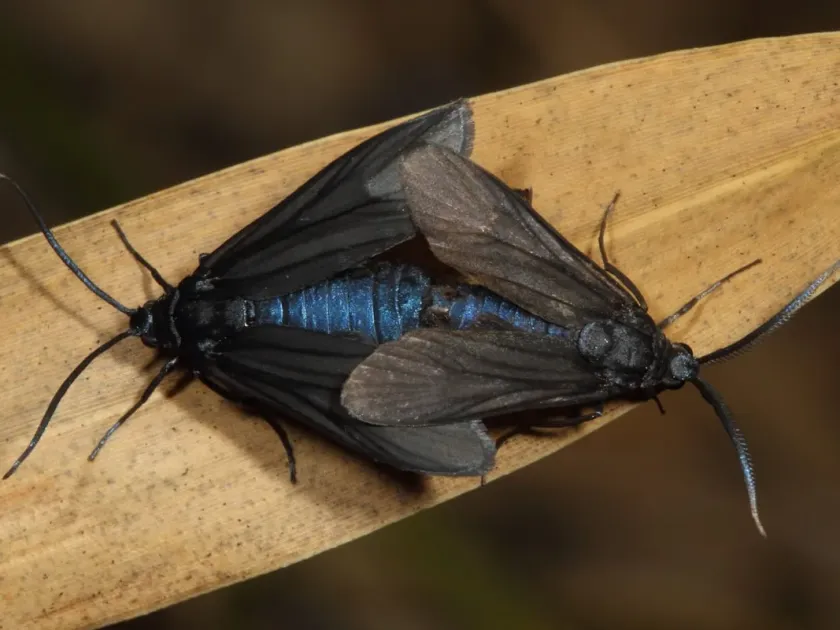
The adult moth is characterized by its relatively small size and dark, often metallic-colored wings, with a wingspan ranging from 20 to 25 millimeters. They are primarily day-flying insects, which is a distinctive trait within this group.
Larvae, or caterpillars, typically exhibit a yellowish-green body with longitudinal stripes and fine hair. They progress through several larval instars, significantly increasing their consumption of foliage as they grow.
The life cycle encompasses complete metamorphosis, including egg, larval, pupal, and adult stages. They often overwinter as pupae or early-stage larvae, finding shelter within the crevices of the vine bark.
Mating and oviposition occur on the underside of leaves, where the female deposits eggs in groups. The biology of the species is highly dependent on environmental temperature and humidity levels.
What it damages
Grapevines are the primary host for the Artona moth. Both young and mature vineyards can be heavily affected if the population of the pest is not managed correctly during the early stages of infestation.
Larvae feed primarily on the leaf tissue, leaving only the veins intact. This skeletonization process severely impairs the leaf's ability to conduct photosynthesis, which is critical for plant energy storage.
Severe infestations lead to rapid defoliation of the vines, which weakens the plant’s health. This directly impacts the sugar accumulation in grapes and the overall quality of the yield during the harvest season.
Weakened vines show reduced shoot growth and poor lignification (wood maturation). Such plants are significantly more susceptible to winter frost damage and secondary pathogen infections in subsequent years.
In large-scale farming, the economic impact is manifested as both a reduction in the volume of the crop and a decrease in the quality of the vintage due to diminished foliage health.
When it appears
The emergence of the adult moths usually occurs in late spring, coinciding with the bud break and early vegetative growth of the grapevine. This provides immediate access to food for the emerging larvae.
The duration of the life cycle and the number of generations per year vary depending on the climatic zone, with warmer regions often hosting two full generations per season.
Peak larval activity generally occurs in early-to-mid summer. During this time, the caterpillars are most ravenous, preparing for pupation and causing the most visible damage to the canopy.
As the season progresses toward autumn, the development slows down. The insects prepare for the dormant period, moving to secluded locations on the vine trunks to initiate the overwintering process.
Favorable weather conditions, especially hot and dry summers, typically accelerate the biological cycle and can lead to population outbreaks if left unchecked.
Signs of infestation
The most reliable sign of an Artona infestation is the appearance of skeletonized leaves on the tips of the shoots, which become apparent through regular field monitoring.
Careful inspection of the foliage will reveal small, yellowish egg clusters or groups of young larvae on the underside of the leaves, which are the primary areas of damage.
Visible insect excrement (frass) on the leaves and thin layers of silk webs indicate active feeding sites, pointing to an urgent need for crop protection measures.
Observing adult moths fluttering around the vine canopy during sunny hours is a clear indicator of the mating phase and imminent egg-laying cycles.
- Skeletonized leaf patterns.
- Presence of larval colonies on the underside of leaves.
- Significant decrease in canopy density.
- Presence of silken cocoons on bark crevices.
- Early leaf yellowing and premature leaf drop.
Control measures
Effective management of Artona requires an integrated approach that combines mechanical intervention with targeted chemical treatments to minimize population growth.
Mechanical control includes the cleaning of old bark from the vine trunks, which removes potential wintering sites for pupae and larvae, effectively reducing the overwintering success rate.
Chemical control should be applied based on threshold observations, using approved contact-stomach insecticides to treat the canopy when larvae are in their early stages of development.
Proper coverage is essential; spraying should be focused on the underside of the leaves, where the pests concentrate, to ensure maximum efficacy and reduce the need for repeat applications.
Biological control methods, such as the use of Bacillus thuringiensis, offer a more sustainable alternative for organic or low-input vineyard management systems when timed correctly.
Taxonomy
- Latin name
- Artona
- Order
- Lepidoptera (butterflies)
- Family
- Zygaenidae
- EPPO code
- ARTOSP
Discussion
No discussions yet — be the first.