
Phytoseiulus
Phytoseiulus
Description
How to identify
Phytoseiulus (Phytoseiulus persimilis) is a predatory mite belonging to the family Phytoseiidae, order Mesostigmata. It is globally recognized as one of the most effective biological control agents for spider mites.
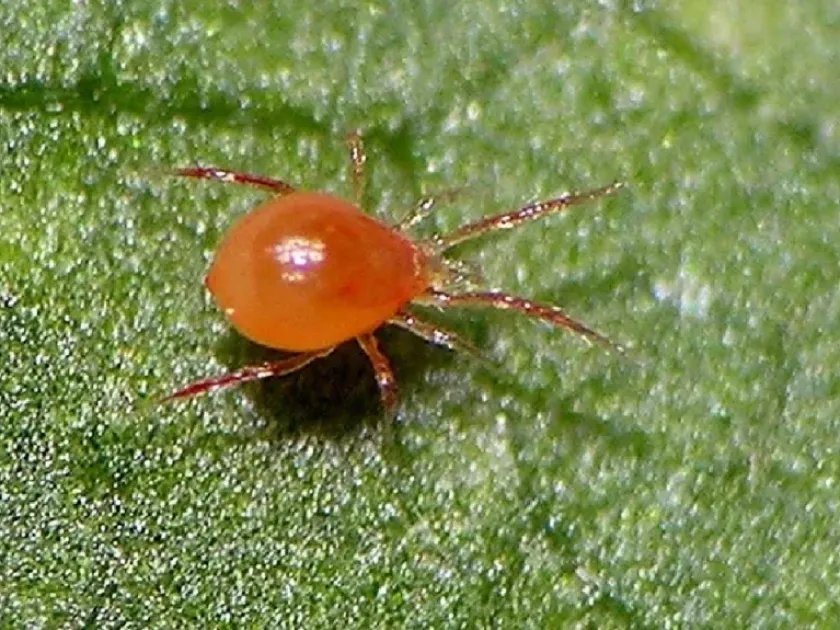
This mite is easily identified by its bright orange to reddish color and pear-shaped body. It is extremely active and moves across the leaves with great speed while hunting for its prey.
The life cycle of P. persimilis is temperature-dependent and very rapid, often completing development from egg to adult in less than a week under warm greenhouse conditions.
Being an obligate predator, it feeds exclusively on tetranychid mites. Its high voracity allows a single individual to consume dozens of prey mites throughout its lifespan.
Females are highly fertile, laying eggs within the spider mite colonies, ensuring that the offspring have immediate access to their food source upon hatching.
What it damages
Phytoseiulus is not a plant pest. It does not possess the mouthparts or biology to feed on plant sap or damage plant tissues in any capacity. It is completely safe for all crops.
It is commonly deployed on vegetables such as tomatoes, cucumbers, peppers, and strawberries, as well as on various ornamental greenhouse flowers to combat spider mite infestations.
The misconception that it is a pest arises because it is frequently found in close proximity to spider mites. However, the presence of these orange mites is a sign of effective biological management.
Mistaking Phytoseiulus for a pest and applying chemical pesticides is a significant error that undermines Integrated Pest Management (IPM) strategies and leads to higher damage from spider mites.
As a predatory mite, it plays a critical role in preventing crop loss. By keeping spider mite populations below the economic injury level, it protects the quality and yield of crops.
Control measures
Since Phytoseiulus is a beneficial insect, there is no need to control it. Instead, growers should prioritize the conservation and support of its populations within the growing environment.
Effective pest management strategies involve the careful selection of pesticides. Growers must ensure that any chemicals used are compatible with Phytoseiulus to prevent accidental harm to these allies.
In practice, growers introduce these mites into crops precisely when spider mite hotspots are identified, allowing for a targeted and efficient biological response.
Environmental management, particularly maintaining adequate relative humidity, is essential to ensure high egg hatch rates and juvenile survival for the predator population.
Regular scouting and accurate identification of mites in the crop are vital. Always differentiate between the orange predatory mite (Phytoseiulus) and the brown/green spider mite pests.
Taxonomy
- Latin name
- Phytoseiulus
- Order
- Mites
- Family
- Phytoseiidae
- EPPO code
- PHSLSP
Discussion
No discussions yet — be the first.