
Eurasian minnow
Phoxinus phoxinus
Description
How to identify
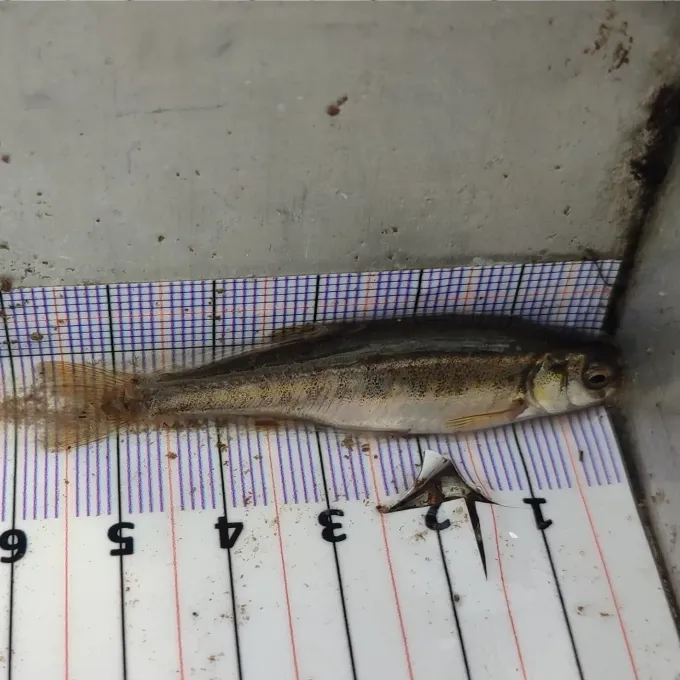
The Eurasian minnow (Phoxinus phoxinus) is a small freshwater fish belonging to the Cyprinidae family. It typically reaches lengths of 8–10 cm and possesses a streamlined, spindle-shaped body covered with tiny, barely visible scales.
The coloration of the fish features a dark lateral stripe running along the side, with a mottled appearance that helps it blend into the substrate. During the spawning season, males exhibit vibrant red colorations on their bellies and mouth corners.
This species is highly sensitive to water quality, particularly oxygen saturation and pollution levels, making it a reliable bio-indicator for healthy aquatic ecosystems. In artificial ponds, they often congregate in dense shoals near the surface.
Phoxinus phoxinus is highly adaptable and can colonize various types of water bodies, provided the water remains relatively clear and oxygenated. Their ability to reproduce quickly makes them a challenging nuisance in managed pond systems.
Physically, the minnow is highly active, spending most of its time swimming in shoals. This constant movement makes it a persistent presence in areas where they establish colonies, often displacing less mobile species.
What it damages
The primary concern regarding the Eurasian minnow in aquaculture is its intense competition for food. They consume zooplankton, benthic invertebrates, and insect larvae, which are essential nutrients for the fry of valuable commercial fish species.
In intensive breeding ponds, minnows can significantly reduce the overall productivity of the facility. By consuming the natural food base, they stunt the growth of commercial fish, leading to smaller harvest weights and economic losses.
Furthermore, minnows have been observed feeding on the eggs of other fish species. This predatory behavior during spawning periods can severely lower the recruitment rate of the desired stock within the pond.
The Eurasian minnow also acts as a biological vector for various parasites. Their presence in a pond increases the risk of parasitic outbreaks, which may require expensive treatments to protect the main stock of industrial fish.
Beyond competition, their massive shoaling nature creates increased demand for dissolved oxygen. This can lead to localized hypoxic conditions, putting additional stress on the commercial stock and reducing the overall water quality.
When it appears
The Eurasian minnow's activity cycle begins in early spring when water temperatures rise above 5°C. As the water warms, the fish emerge from their wintering sites and start congregating in shoals to prepare for the breeding season.
Peak feeding intensity occurs during the summer months, which is also the peak period for fish farming production. This overlap results in maximum food competition, as both the minnows and the commercial fish fry grow rapidly.
Autumn marks a period of increased foraging as the fish prepare to accumulate energy reserves for the colder months. During this time, they remain highly competitive and continue to utilize resources meant for the commercial stock.
Winter brings a period of dormancy, during which minnows move to deeper, more stable parts of the water body. Their metabolic rates drop significantly, and they become less active and less of a nuisance to the farming operations.
The timing of their life cycle is strictly regulated by water temperature, which means that in climate-controlled indoor recirculating systems, they may remain active year-round, requiring continuous monitoring.
Control measures
The most effective management practice is the complete draining and drying of ponds between production cycles. This exposes the bed to air and sunlight, effectively eliminating eggs and surviving populations of minnows.
Installing fine-mesh filters on water inlet systems is a crucial preventive measure. This prevents minnows from entering the aquaculture facility from natural water sources like rivers or streams connected to the farm.
Biological control methods include the introduction of predatory fish species into the pond ecosystem. Stocking species like northern pike or zander can effectively regulate minnow populations through natural predation.
For urgent control, selective netting with small-mesh equipment can be employed. This should ideally be performed during times when the fish are congregated, ensuring the highest catch rates with minimal impact on other stock.
Maintaining optimal water chemistry through liming and controlling aquatic vegetation helps create an environment that is less hospitable for minnows while supporting the health of the primary commercial fish species.
Taxonomy
- Latin name
- Phoxinus phoxinus
- Family
- Cyprinidae
- EPPO code
- PHOXPH
Discussion
No discussions yet — be the first.