
Monkey slug moth
Phobetron pithecium
Description
How to identify
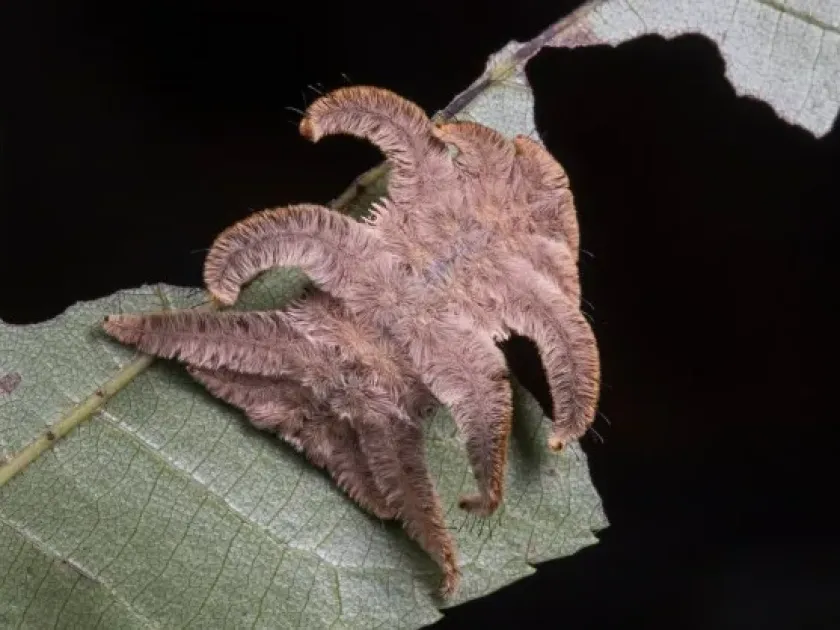
The Monkey slug moth, scientifically known as Phobetron pithecium, is a fascinating but potentially troublesome species belonging to the Limacodidae family. The larva is widely recognized as the "monkey slug" due to its bizarre, shaggy appearance.
The caterpillar possesses several pairs of long, fleshy, arm-like appendages that extend from its body. These appendages are often shed upon contact, which can cause skin irritation or rashes in sensitive individuals, serving as a clever defense mechanism.
The larvae are typically flattened and exhibit colors ranging from green to brown, providing excellent camouflage against tree bark and foliage. Their movement is unique, often described as gliding, similar to that of a slug.
Adult moths are quite different in appearance, being small and nondescript with brown or gray mottled wings. They are nocturnal insects, making them rarely seen by gardeners during the day.
As members of the Limacodidae family, they are biologically distinct from common leaf-eating caterpillars, having evolved specialized survival strategies that include both chemical defense and mimicry.
What it damages
The Monkey slug moth is a polyphagous pest, meaning it feeds on a wide variety of deciduous trees and shrubs. While it is rarely a major agricultural threat, its presence can cause cosmetic damage and reduce the vigor of ornamental and fruit-bearing plants.
Common host plants include apple, pear, cherry, and plum trees. They are also frequently found on forest trees such as oak, maple, birch, and hickory, which often serve as reservoirs for the population.
The larvae consume leaves by skeletonizing them or eating irregular holes throughout the leaf surface. This loss of leaf tissue can hinder the tree's ability to photosynthesize effectively during peak growing months.
In high populations, these caterpillars can strip leaves from branches, leading to weakened growth and reduced fruit yield. Young trees or newly planted saplings are the most vulnerable to significant damage.
The damage is usually localized rather than systemic, but the presence of these caterpillars in a home garden can be alarming due to their strange appearance and the potential for causing skin contact reactions.
When it appears
The life cycle of the Monkey slug moth consists of a single generation per year. Adult moths typically emerge in early summer, often in June or July, to mate and deposit their eggs on the underside of host plant leaves.
Following an incubation period of about two weeks, the larvae hatch and begin their feeding phase. This activity is most pronounced during late summer, specifically from August through September, as the larvae grow larger.
By autumn, the caterpillars prepare for overwintering by constructing a dense, brownish, papery cocoon. These cocoons are often attached to the twigs or limbs of the host tree, blending in well with the surrounding bark.
The insect spends the entire winter in the prepupal stage within its protective cocoon. Pupation takes place in the following spring, leading to the emergence of a new generation of adults.
Monitoring for the presence of these larvae in mid-summer is the best strategy for prevention, as their feeding becomes most noticeable as the season progresses towards autumn.
Signs of infestation
The most visible sign of infestation is skeletonized foliage, where only the leaf veins remain. This results in a lacy appearance of the leaves, which should prompt closer inspection.
Finding the larvae themselves on the undersides of leaves is a definitive sign. Their unique appearance, resembling a small, messy creature with irregular appendages, is distinct from almost any other common caterpillar.
Skin irritation or itching experienced after pruning or working near trees is a secondary sign, indicating the presence of these larvae, as their defensive bristles can easily penetrate the skin.
During the dormant season, look for small, round or oval papery cocoons fixed to the twigs. These are often overlooked as simple bark protuberances but are clear evidence of the pest's presence.
Heavy bird activity in a specific area of the tree canopy can sometimes indicate the presence of larvae, although their protective bristles effectively deter many generalist predators.
Control measures
Hand-picking is the most effective and eco-friendly control method for small gardens. Always wear thick, protective gloves to avoid contact with the caterpillars' irritating bristles.
Biological controls such as Bacillus thuringiensis (Bt) are highly effective against young larvae. Applications should be targeted to the undersides of leaves where the caterpillars primarily feed.
Sanitation is key to long-term control. During the winter, prune and destroy branches infested with overwintering cocoons to prevent the next year's generation from emerging.
Encouraging natural enemies by planting nectar-rich flowers can help manage the population. Parasitic wasps are known natural regulators of slug moth populations in their native habitats.
Chemical intervention should be considered a last resort. If insecticides are necessary, choose products that minimize harm to beneficial pollinators and apply them strictly according to the label directions.
Taxonomy
- Latin name
- Phobetron pithecium
- Order
- Lepidoptera (butterflies)
- Family
- Limacodidae
- EPPO code
- PHOBPI
Discussion
No discussions yet — be the first.