
Wolf spider
Pardosa
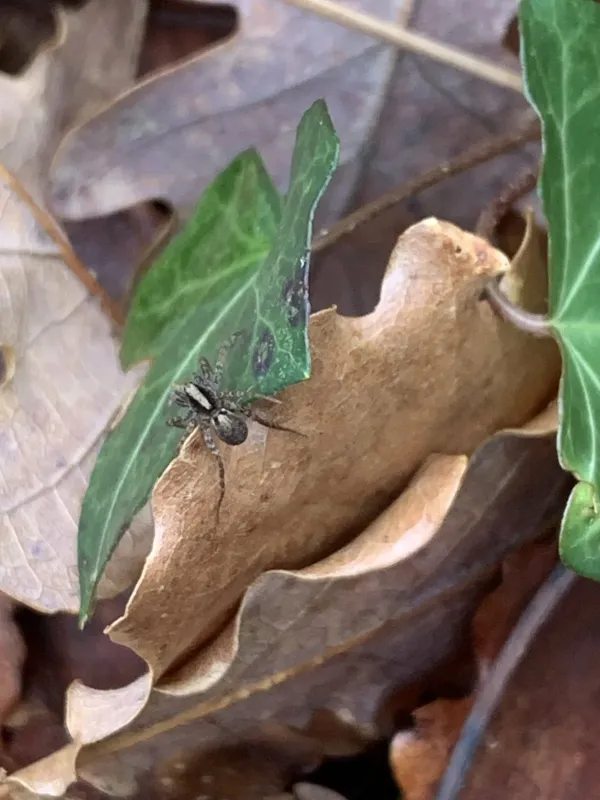
Description
How to identify
The wolf spider, belonging to the genus Pardosa and the family Lycosidae, is a ground-dwelling predator found extensively in agricultural landscapes.
These spiders are distinguished by their moderate size and camouflaging brown or gray coloration, which allows them to blend seamlessly with soil surfaces and debris.
They do not build silk webs; instead, they are active hunters that use keen eyesight and vibration detection to locate prey on the ground.
A key anatomical feature is their eye arrangement, featuring a prominent pair of anterior middle eyes that facilitate their rapid hunting movements.
Females are characterized by their maternal care, often carrying their egg sacs attached to their spinnerets and subsequently transporting spiderlings on their backs.
What it damages
It is critical to understand that the wolf spider is not a plant pest. They do not cause damage to leaves, stems, roots, or fruits of any agricultural crop.
In fact, they are highly beneficial organisms in the agroecosystem, serving as efficient natural predators of various pest species.
They contribute to crop health by preying upon ground-dwelling insects, including larvae and small pests that might otherwise damage crop yields.
By consuming harmful arthropods, they help regulate pest populations naturally, reducing the reliance on heavy chemical interventions in fields.
As natural enemies, they are an essential component of sustainable agriculture, acting as a line of defense against potential outbreaks of crop-damaging insects.
When it appears
Wolf spider activity begins in the early spring, following the warming of the topsoil, usually triggered when temperatures consistently rise above 10°C.
Their population density and hunting activity peak during the mid-summer months when the abundance of insect prey is at its annual high.
Throughout the season, they remain active on the ground, traversing rows and furrows in search of nourishment within the crop canopy and soil surface.
As temperatures drop in the autumn, these spiders migrate to soil crevices, beneath rocks, or under mulch to undergo overwintering.
The duration of their life cycle depends on species variety and climate, often extending over one or more years for complete development.
Control measures
There are no control measures required for wolf spiders because they are beneficial allies to the farmer, rather than enemies or crop destroyers.
The primary management goal should be the protection and conservation of these spiders, as they serve as an effective biological pest control tool.
Agricultural practices such as reduced tillage and the maintenance of hedgerows provide essential habitats that support and increase spider populations.
The avoidance of broad-spectrum insecticide sprays is highly recommended to prevent the accidental killing of these valuable insect-regulating predators.
- Minimize deep mechanical soil disturbance to preserve habitats.
- Adopt selective pest control methods that spare predatory spiders.
- Maintain vegetative cover to sustain prey and spider populations.
Taxonomy
- Latin name
- Pardosa
- Family
- Lycosidae
- EPPO code
- PADOSP
Discussion
No discussions yet — be the first.