
Parasa
Parasa
Description
How to identify
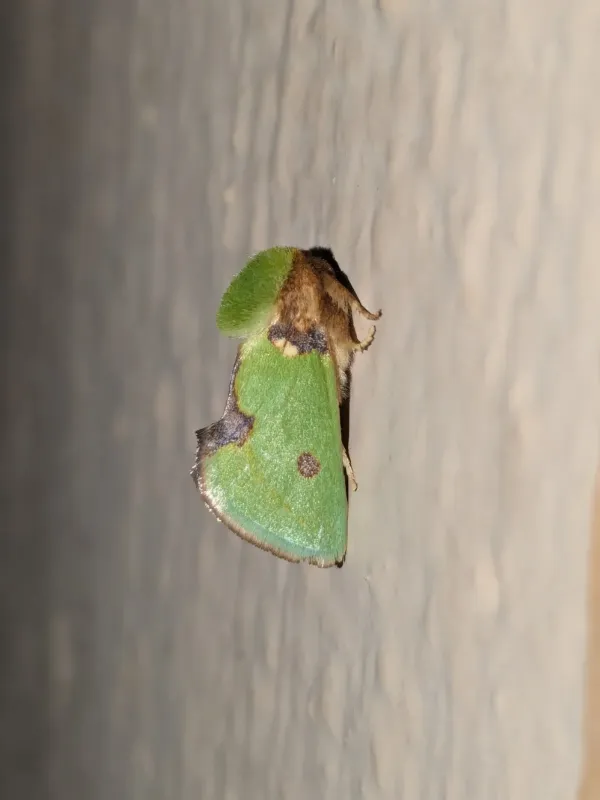
The genus Parasa belongs to the Limacodidae family, commonly known as slug moths. Adult moths are characterized by a stout, hairy body and vibrant, often patterned wings that provide excellent camouflage against foliage.
The larvae, known as nettle caterpillars or slug caterpillars, are the primary pest stage. They have a distinctive slug-like appearance, lacking typical thoracic legs, which results in a smooth, gliding motion along leaves and branches.
The bodies of these caterpillars are often adorned with tufts of stinging hairs or spines. These spines contain toxins that cause intense irritation, burning, and dermatitis upon contact with human skin, requiring caution when handling infested plants.
Larval coloration is highly variable and often brilliant, featuring bright stripes or spots. This serves as an aposematic signal to warn potential predators of their stinging capabilities and unpalatability.
The pupal stage is spent within hard, rounded, and often brownish cocoons securely attached to twigs or the bark of host plants, providing high levels of protection against environmental stressors.
What it damages
Parasa larvae are polyphagous, attacking a wide range of woody plants. They are significant pests in orchards, frequently damaging apple, pear, and various stone fruits, as well as citrus and coffee trees in tropical regions.
Besides fruit-bearing trees, these pests often infest ornamental shrubs and forest trees such as oaks and maples, which serves as a reservoir for the population to spread into adjacent agricultural areas.
The caterpillars are voracious feeders. In early instars, they may skeletonize the leaves, while mature caterpillars are capable of consuming entire leaf blades, leaving only the primary veins intact.
Severe infestations lead to premature defoliation of the trees. This stress reduces the plant's ability to produce carbohydrates, negatively impacting fruit set, overall vigor, and winter hardiness of the orchard.
Furthermore, the stinging nature of the larvae poses a safety hazard for laborers and gardeners. Accidental contact during pruning or harvesting results in painful stings that may require medical attention.
When it appears
The activity of Parasa is strongly influenced by temperature and moisture levels. Adults typically emerge in late spring or early summer, responding to the warmer weather by mating and laying eggs on host plants.
The feeding period of the larvae occurs throughout the summer months. During periods of high heat and humidity, their metabolic rate increases, leading to rapid development and more intensive foliage consumption.
As autumn approaches, the larvae initiate the pupation process. In temperate regions, they overwinter in their cocoons, whereas in tropical environments, development may continue continuously throughout the year if host plants are available.
Monitoring is effectively conducted using light traps, as adult moths are highly attracted to artificial light sources during the night. This allows for precise timing of management interventions.
Agronomists analyze growing degree days to forecast the emergence of larvae. Accurate prediction is essential for applying controls during the early, most vulnerable stages of the caterpillar's development.
Signs of infestation
The first sign of an infestation is the appearance of irregular, chewed areas on leaves. These often begin as small holes or window-paned sections before expanding as the caterpillars grow larger.
Visual inspection of the underside of leaves or the branches often reveals groups of caterpillars. Their striking, colorful appearance usually makes them easy to spot against the green foliage.
Solid, rounded cocoons found attached to the bark or twigs are a clear indication of a resident Parasa population. These structures can be overlooked due to their bark-like coloration, so careful scouting is necessary.
The accumulation of frass (caterpillar excrement) on leaves or the ground beneath the canopy is a strong indicator of an active infestation, helping to identify the specific branches requiring treatment.
An increased presence of avian or predatory insect species in specific sectors of the orchard may also signal the presence of caterpillars, as these animals often hunt them despite their stinging defenses.
Control measures
Cultural control involves the physical removal and destruction of branches containing cocoons during the dormant season. This practice significantly reduces the overwintering population before the new cycle begins.
Biological control options include the application of Bacillus thuringiensis-based insecticides. These are highly specific to lepidopteran larvae and effectively manage the population without harming beneficial pollinators or natural predators.
Chemical control is warranted when populations exceed the economic threshold. Strategically timed applications of contact or systemic insecticides during the early larval stages provide the best protection for the crop.
Promoting the presence of natural enemies, including parasitic wasps and predatory bugs, is essential for sustainable management. Selective pesticide use preserves these allies and keeps the pest population in check.
Workers must wear protective clothing, including gloves and long sleeves, when tending to trees in infested areas to prevent injury from the larvae's stinging hairs, which can cause severe skin irritation.
Taxonomy
- Latin name
- Parasa
- Order
- Lepidoptera (butterflies)
- Family
- Limacodidae
- EPPO code
- PARSSP
Discussion
No discussions yet — be the first.