
Parallelomma albipes
Parallelomma albipes
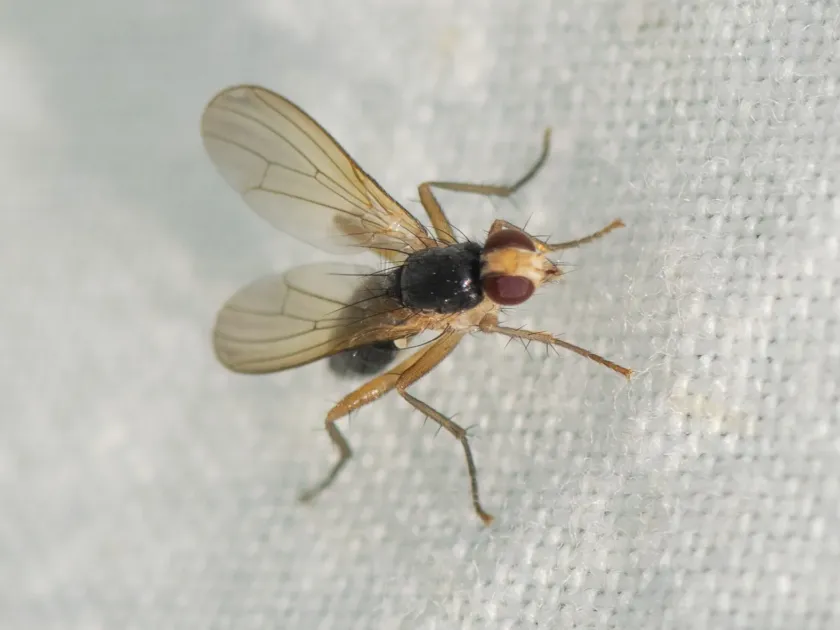
Description
How to identify
Parallelomma albipes is a fly species belonging to the family Muscidae, order Diptera. This insect is identified by its morphology typical of muscid flies, often characterized by distinct pale-colored legs which give the species its specific name.
The adult fly is an active flier, moving between host plants to find suitable sites for oviposition. They are typically attracted to fresh, succulent plant tissue where the larvae will have immediate access to food upon hatching.
The larvae are legless maggots that specialize in mining inside plant tissues, such as leaves or stems. This internal feeding habit protects them from many predators and environmental hazards, making them a challenging pest to manage effectively.
Their life cycle includes egg, larva, pupa, and adult stages. The pupal stage commonly occurs in the soil, which acts as a overwintering reservoir, ensuring the survival of the population through harsh seasons until favorable conditions return.
Understanding their seasonal activity is crucial for integrated pest management. The ability of the species to complete multiple generations in a single season depends heavily on temperature and host plant availability in the agro-ecosystem.
What it damages
The primary damage is caused by the larval stage feeding within the leaves or stems. By mining through the parenchyma, the larvae disrupt the plant's vascular and photosynthetic systems, leading to reduced overall vigor and crop yields.
Initial feeding causes characteristic light-colored tracks or patches on the leaves. As the larva grows, these tracks widen, often leading to necrosis of the tissue, which reduces the plant's ability to produce energy through photosynthesis.
In cases of severe infestation, stems may be compromised, causing wilting and collapse of the upper plant parts. This is particularly damaging in young seedlings, which may not recover from the loss of their growing point or structural integrity.
The economic impact of Parallelomma albipes is seen in both yield loss and a decrease in the marketability of produce. Damaged vegetables often show signs of stunted growth or deformation, making them unacceptable for commercial sale.
Furthermore, the physical openings created by the larvae provide entry points for secondary pathogens, such as bacteria or fungi, which can exacerbate the damage initiated by the insect, potentially leading to plant rot or death.
Signs of infestation
The most recognizable sign is the presence of winding or blotch-shaped mines on the foliage. These tracks are usually whitish or pale, representing the tunnel bored by the larva just beneath the epidermis of the leaf.
Dark deposits, known as frass (larval excrement), are typically found inside the mining tunnels. This is a key diagnostic feature, helping farmers distinguish between damage caused by Parallelomma albipes and symptoms of plant diseases.
Wilting of the leaves or stem tips, despite sufficient water availability, indicates that the larvae are feeding on vascular tissue or disrupting water transport. A quick examination of such stems often reveals the larva inside the tunnel.
Early-stage detection involves checking the undersides of leaves for eggs or small entrance holes. Frequent monitoring in the early morning can also reveal the presence of adult flies hovering around the crop canopy.
Stunted growth or chlorosis (yellowing) of individual plants within a plot compared to healthy neighbors often serves as an indicator that larvae have begun feeding within the plant structure, necessitating immediate action.
Control measures
Cultural control, such as crop rotation, is highly effective in breaking the life cycle of the pest by removing host plants from the area for a season. Deep plowing of the soil after harvest can bury and destroy pupae, reducing the next year's population.
Sanitation practices, including the removal of weeds that serve as alternative hosts, are essential to minimize the pest's reservoir. Maintaining healthy, vigorous plants through proper fertilization can also help them withstand minor larval attacks.
Biological control options involve the use of parasitic wasps or biological insecticides that target the larval stage. These methods can be integrated into larger pest management programs to reduce reliance on broad-spectrum chemical pesticides.
Chemical control should be applied based on scouting results and economic threshold levels. Systemic insecticides are generally preferred as they can reach the larvae hidden within the plant tissues, providing effective control where contact sprays fail.
The use of yellow sticky traps is a recommended practice for monitoring. These traps capture adult flies, allowing growers to estimate the population density and time their insecticide applications precisely to maximize efficacy while minimizing chemical use.
Taxonomy
- Latin name
- Parallelomma albipes
- Order
- Diptera (flies)
- Family
- Scathophagidae
- EPPO code
- PLLLAL
Discussion
No discussions yet — be the first.