
Cordilura
Cordilura
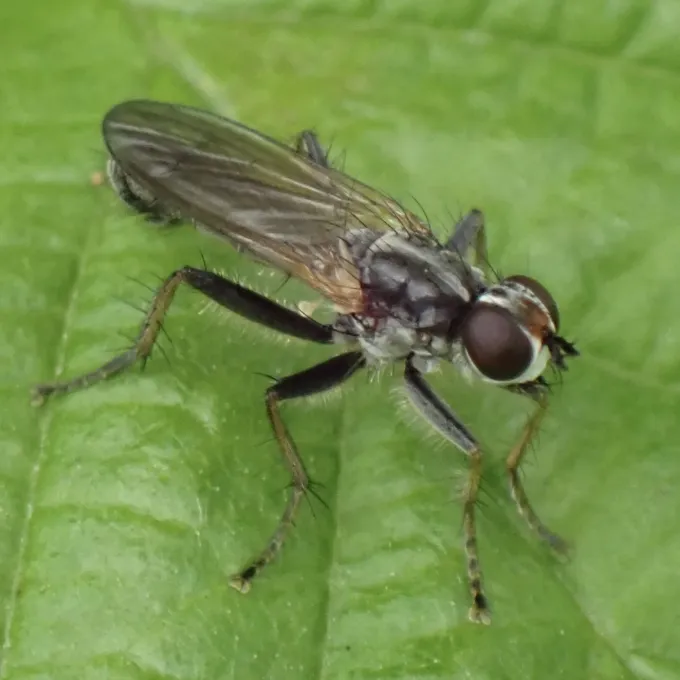
Description
How to identify
Cordilura belongs to the Scathophagidae family, order Diptera. Adult flies are generally small, often featuring dense body hair and coloration ranging from yellowish to dark brown.
The head features prominent compound eyes, while the mouthparts are adapted for feeding on nectar or plant fluids. Larvae are typically white or cream-colored, legless maggots characteristic of grain-mining flies.
Development is closely linked to temperature patterns, with adults preferring moist habitats. Mature females lay eggs primarily on vegetative parts of plants, selecting succulent stems for larval growth.
The life cycle consists of four distinct stages: egg, larva, pupa, and adult. Overwintering usually occurs as pupae in the soil or plant debris, allowing the species to survive low temperatures effectively.
Understanding the morphology of this species helps agronomists monitor fields using yellow sticky traps, which attract adults during their peak flight periods.
What it damages
Cordilura species primarily damage a wide range of cereal crops, including winter and spring wheat, rye, and barley.
Damage is caused mainly by the larvae, which penetrate the stem or the developing ear. By feeding on internal tissues, they disrupt sap flow and the formation of reproductive organs.
Besides cultivated cereals, the insect actively inhabits wild grasses, which serve as natural reservoirs for the pest during off-seasons, complicating population management.
Significant economic losses occur when infestations happen during the tillering stage, leading to the destruction of the central leaf and a decrease in the number of productive stalks.
Breach of stem integrity also weakens the plant's natural defense, making it susceptible to secondary infections like fungal diseases and bacterioses.
Signs of infestation
The primary sign of Cordilura presence is the yellowing and gradual wilting of the central leaf, often mistaken for nitrogen deficiency or drought stress.
Visual inspection of the stem reveals characteristic entry holes created by larvae. Dissecting the stem often reveals frass and the larvae themselves inside the plant tissue.
Stunted growth and excessive tillering, resulting from the death of the main growing point, are key indicators of significant damage.
In heading crops, the pest can cause "white heads," where the ear becomes empty or deformed due to the destruction of the stem base and nutrient supply disruption.
Confirmation of the pest is achieved through regular sweep-net sampling, conducted during early morning or evening hours when adult flies are most active.
Control measures
The main strategy for control is strict crop rotation, which breaks the insect's development cycle by eliminating continuous planting of host crops.
Agronomic practices include thorough deep autumn plowing (tillage), which destroys pupae residing in the soil layer.
When economic damage thresholds are reached, contact and systemic insecticides registered for cereal crops should be applied during the vegetation period.
Timely weed management around field borders significantly reduces pest pressure, as wild grasses often act as intermediate hosts for larvae.
- Planting pest-resistant cereal varieties.
- Adjusting sowing dates to avoid peak fly flight periods.
- Using pheromone or sticky traps for monitoring.
- Applying biological controls based on entomopathogenic fungi.
Taxonomy
- Latin name
- Cordilura
- Order
- Diptera (flies)
- Family
- Scathophagidae
- EPPO code
- CDLRSP
Discussion
No discussions yet — be the first.