
Pangaeus
Pangaeus
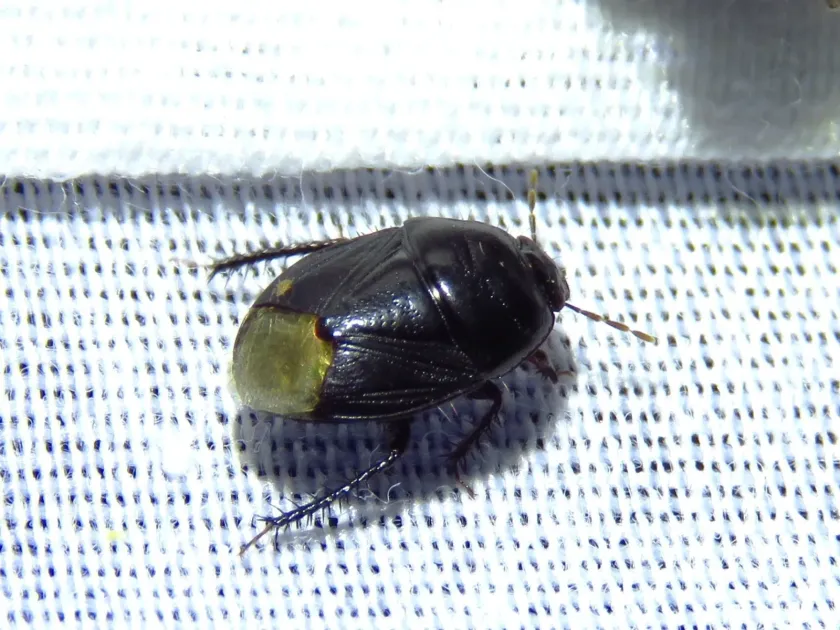
Description
How to identify
Pangaeus is a genus of burrowing bugs belonging to the family Cydnidae. These insects are characterized by a flattened, dark brown to black body, which is specifically adapted for moving through soil layers and debris.
The insects possess strong, spiny legs that allow them to burrow efficiently into the ground, where they spend most of their life cycle. Their morphology is highly specialized for a subterranean existence.
Adults of the genus are equipped with well-developed wings, allowing for dispersal between fields and colonization of new areas. However, their primary behavior remains cryptic, often going unnoticed by farmers until damage becomes severe.
The mouthparts are of the piercing-sucking type, optimized for feeding on the roots and underground stems of various plants, which is the hallmark of their detrimental activity.
Identification often requires careful inspection of the head and scutellum structures, which are key taxonomic features used by entomologists to distinguish this genus from other soil-dwelling Hemiptera.
What it damages
The primary damage caused by Pangaeus involves the weakening of young seedlings by piercing their root systems and stems to feed on plant juices, causing significant physiological stress.
This feeding activity often leads to stunted growth, yellowing of leaves, and in severe cases, the total death of the crop, resulting in sparse plant stands and yield loss.
The injuries inflicted serve as entry points for various soil-borne pathogens, including bacteria and fungi, which can exacerbate the decline of the affected plants through root rot and secondary infections.
Crops grown in damp soil conditions or areas with frequent irrigation are particularly susceptible, as these environments support higher populations of the pest and facilitate their movement.
Economic losses are compounded by the need for replanting in heavily infested areas, as the pest can remain active during the critical early growth stages of many commercial crops.
When it appears
The seasonal activity of Pangaeus typically begins in early spring, as temperatures rise, signaling the end of the winter diapause for the overwintering adult population.
During the summer months, the pest undergoes its reproduction phase, with females laying eggs in the soil. The nymphs pass through several instars, feeding throughout the warm season.
The highest level of pest pressure is observed during the planting and early seedling stages of crops, where the vulnerability of young plants to root feeding is at its maximum.
As autumn approaches, the bugs prepare for the winter, moving deeper into the soil or seeking refuge beneath plant residues to survive the cold months before the cycle repeats.
Monitoring the insect population throughout the season is essential, as environmental conditions can significantly influence the speed of their life cycle and the overall density of the colony.
Control measures
Effective management includes deep plowing and soil cultivation, which physically disturb the pest's habitat, expose them to predators, and disrupt their overwintering sites.
Crop rotation is a critical strategy to break the life cycle of Pangaeus, reducing the reliance on specific hosts and lowering the population density in a particular field over time.
Seed treatment with systemic insecticides is highly recommended for at-risk areas, as it provides a protective barrier around the developing root system during the most sensitive early growth stages.
In cases of high infestation, soil-applied insecticides or targeted sprays can be employed to manage the population, provided that the timing aligns with the peak activity of the bugs.
- Integrated weed management to remove alternative hosts.
- Use of light traps for population monitoring.
- Implementation of beneficial nematodes or entomopathogenic fungi.
- Ensuring proper soil drainage to limit favorable breeding environments.
Taxonomy
- Latin name
- Pangaeus
- Order
- Hemiptera (bugs, aphids, leafhoppers)
- Family
- Cydnidae
- EPPO code
- PNGESP
Discussion
No discussions yet — be the first.