
Pachypasa
Pachypasa
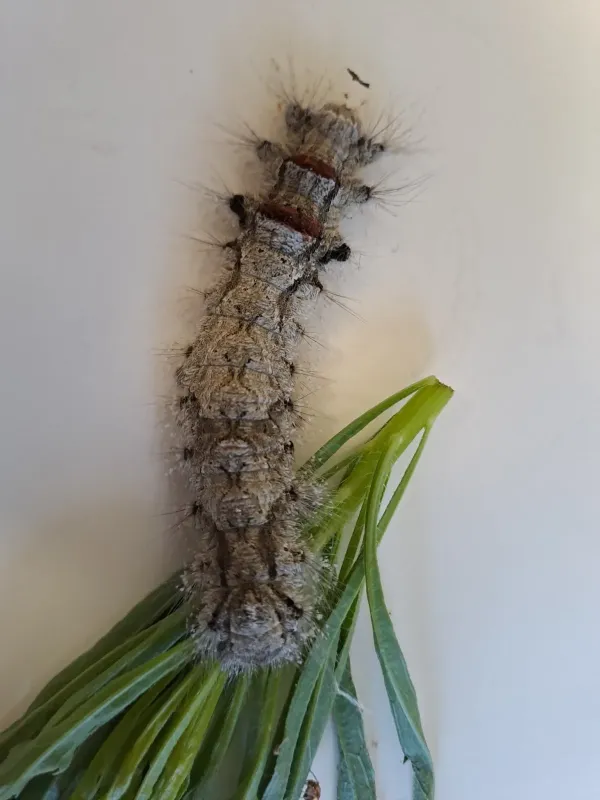
Description
How to identify
Pachypasa belongs to the Lasiocampidae family (lappet moths) within the order Lepidoptera. The adults are large, nocturnal moths characterized by a robust, densely haired body and broad wings. Their cryptic coloration, usually shades of grey and brown, allows them to blend perfectly with tree bark, making them difficult to spot during the day.
The larvae, or caterpillars, are known for their thick, hairy appearance. These hairs often include specialized urticating bristles that can cause severe skin irritation or allergic reactions in humans, requiring caution during physical inspection of infested trees.
The life cycle involves complete metamorphosis: egg, larva, pupa, and adult. Females typically deposit their eggs in clusters on branches or leaves, often camouflaging them with scales from their own bodies to protect the brood from predators and adverse weather conditions.
Pupation occurs within firm, durable cocoons that are tightly attached to branches or tucked into crevices of bark. This stage provides the insect with a secure defense mechanism, allowing it to survive through unfavorable seasonal changes.
Adult moths do not feed, as their mouthparts are significantly reduced. Their sole purpose is to locate a mate and reproduce, after which they die within a very short period of time, marking the end of the adult life stage.
What it damages
This pest primarily infests a variety of trees and shrubs. In agricultural settings, it is known to damage fruit-bearing trees such as apples, pears, and various stone fruits, significantly impacting tree vitality and fruit production.
In forestry, certain species of Pachypasa can cause extensive damage to both deciduous and coniferous trees. A heavy infestation can lead to significant defoliation, which leaves the trees weakened and more susceptible to secondary pathogens and climate-related stress.
Intensive feeding by the caterpillars on leaves disrupts the tree's photosynthetic capability. This results in stunted growth, failure to set fruit buds, and an overall decline in tree health, which may take several seasons to recover.
Young trees and saplings are particularly vulnerable. A mass outbreak can lead to complete defoliation, which often causes the death of the young plant as it fails to store sufficient nutrients to survive the winter dormancy period.
Beyond defoliation, the larvae may feed on tender new shoots and buds. This feeding behavior distorts the branch structure and significantly reduces the tree's capacity for healthy vegetative growth in the following season.
When it appears
Adult moth emergence typically occurs in the mid-to-late summer months. Because they are nocturnal, they are rarely seen unless targeted by light traps or during systematic monitoring programs.
Larval activity peaks in the spring and early summer, corresponding with the tree's active vegetative growth phase. This is the period when larvae feed most voraciously to build the energy reserves necessary for pupation.
Overwintering most commonly occurs at the larval stage, with individuals hiding in sheltered areas like bark crevices, branch unions, or leaf litter. Some species may also overwinter as eggs, which are highly resilient to cold temperatures.
The awakening of larvae in spring correlates with bud burst and the initiation of leaf growth. This is the most critical time for gardeners and foresters to conduct inspections to identify and manage the pest population before it spreads.
Pupation takes place toward the end of the season. Once the pupal stage is complete, the cycle resets with the emergence of a new generation of moths, ready to continue the colonization process.
Signs of infestation
The most obvious sign of infestation is skeletonized or entirely missing leaves in the canopy. Larvae often consume the entire leaf blade, leaving behind only the toughest veins and giving the tree a stripped, ragged appearance.
Frass, or caterpillar droppings, found on leaves or at the base of the tree is a reliable indicator of active feeding in the upper canopy. The accumulation of frass usually corresponds to the density of the larval population.
The presence of sturdy, camouflaged cocoons on branches or trunks serves as clear evidence of the pest's life cycle progression. These are often integrated into the bark pattern, requiring careful observation to detect.
Silken webbing or nests may be constructed by the larvae for communal molting or shelter. Finding these structures is a strong indication that the infestation is established and requires immediate management action.
General tree decline, such as yellowing foliage, poor branch growth, or premature leaf drop, often signals that the tree has been under the stress of a persistent or severe larval infestation over an extended period.
Control measures
Manual removal of caterpillars and their nests is the most effective control method for smaller trees and garden environments. Given the potential for skin irritation, protective gear like gloves should always be worn.
Biological control agents, such as formulations containing *Bacillus thuringiensis*, are highly effective against these larvae. They specifically target the pests without harming beneficial insects, making them ideal for integrated pest management.
Chemical insecticides should be reserved for severe outbreaks and applied according to local regulations. It is essential to target the larvae during their most active feeding phase and ensure thorough coverage of the canopy.
- Encouraging natural bird populations, which are effective predators of many large caterpillars.
- Using pheromone or light traps to monitor and potentially reduce the local population of adult moths.
- Regular pruning to remove infested branches and eliminate potential overwintering sites for the larvae.
Implementing proper horticultural practices, such as adequate watering and fertilization, ensures the trees remain vigorous and better equipped to withstand and recover from pest attacks.
Taxonomy
- Latin name
- Pachypasa
- Order
- Lepidoptera (butterflies)
- Family
- Lasiocampidae
- EPPO code
- PACSSP
Discussion
No discussions yet — be the first.