
Striped lynx spider
Oxyopes lineatus
Description
How to identify
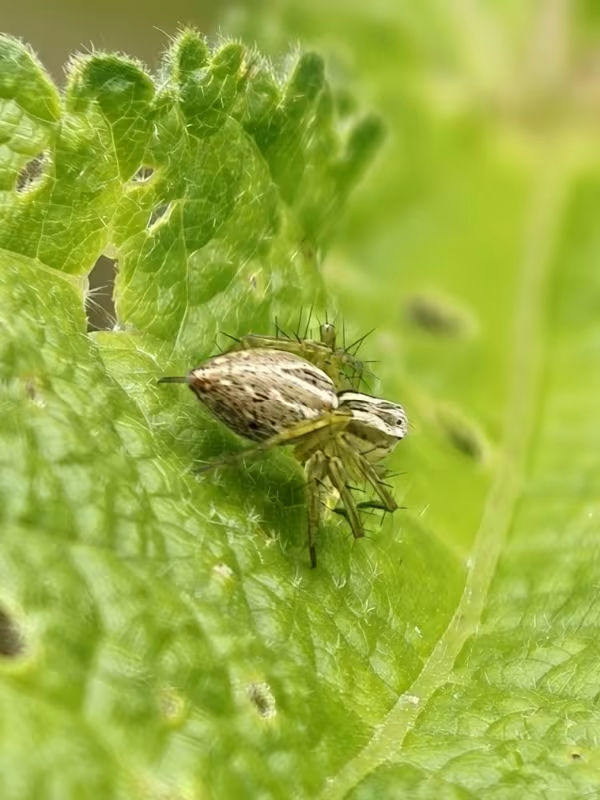
The Striped lynx spider (Oxyopes lineatus) is a member of the Oxyopidae family, widely recognized for its hunting strategy that involves active pursuit rather than building webs.
These spiders are distinguished by their slender bodies and long, spiny legs, which facilitate rapid movement across the leaves and stems of various vegetation types.
Their coloration typically ranges from yellow to reddish-brown, featuring distinctive longitudinal stripes on the carapace and abdomen that act as excellent camouflage in grassland habitats.
Females are generally larger than males and often show maternal care, guarding their egg sacs which are securely attached to the foliage of host plants.
Their biology is closely tied to the growing season, as they utilize the microclimate provided by crop canopies for mating, hunting, and the development of their offspring.
What it damages
While often considered beneficial predators, the Striped lynx spider can occasionally be problematic in agricultural settings where they prey on essential pollinators or biocontrol agents.
They do not consume plant tissues or sap, but their presence in high densities can interfere with specialized biological control programs by reducing populations of beneficial insects.
In certain ornamental or soft-fruit crops, the placement of egg sacs by females can cause minor deformation of young buds or shoot tips, potentially affecting crop aesthetics or yield.
They are frequently found inhabiting cereal crops, shrubs, and meadow vegetation, where they act as active hunters targeting various small, flying insects that land on the plants.
The economic impact of Oxyopes lineatus is rarely significant, and they are usually categorized as minor inhabitants of the agroecosystem rather than major pests.
When it appears
Activity begins in early spring as temperatures rise, allowing overwintering individuals and nymphs to emerge and resume hunting in the warming canopy.
The population peaks during the mid-summer months, when the availability of insect prey is at its maximum, supporting high reproductive success for the spiders.
As autumn approaches, activity declines as spiders transition into a dormant phase, seeking shelter within plant debris or organic matter to survive the winter.
Life cycle duration and population growth are heavily influenced by local weather patterns, with warmer, stable conditions favoring higher activity levels throughout the year.
In greenhouses or controlled environment agriculture, these spiders may remain active for extended periods, requiring monitoring to prevent their interference with pollination services.
Signs of infestation
The most common sign of their presence is the characteristic quick, erratic movement across the surface of leaves, followed by sudden stops as they scan for prey.
Look for small, whitish, silk-based egg sacs secured to the underside of leaves or within the folds of terminal buds, which are a clear indicator of a resident spider population.
A noticeable decrease in small, beneficial insect populations within a specific area can sometimes be attributed to high densities of lynx spiders hunting in the canopy.
They can often be spotted waiting patiently on flowers or stems, where their striped camouflage makes them blend perfectly with the plant structure during the day.
The lack of sticky, aerial webs distinguishes them from many other spider species, confirming that they are active hunting predators inhabiting the vegetation.
Control measures
Control measures are rarely required as these spiders are not primary pests; however, management may be necessary if they threaten beneficial insect conservation efforts.
Broad-spectrum insecticide usage should be avoided, as it indiscriminately eliminates both predators and pests, potentially leading to secondary outbreaks of aphids or mites.
Cultural practices, such as maintaining clean field borders and regular weeding, help manage the habitat and limit the number of sites available for spider nesting and overwintering.
Adopting Integrated Pest Management (IPM) strategies ensures that the ecological roles of spiders are respected, balancing their predatory benefits against any potential negative impacts.
Manual removal of egg sacs from highly sensitive crops or ornamental plants is the preferred non-chemical method if reduction of their numbers becomes necessary.
Taxonomy
- Latin name
- Oxyopes lineatus
- Family
- Oxyopidae
- EPPO code
- OXYSLI
Discussion
No discussions yet — be the first.