
Oxya formosana
Oxya formosana
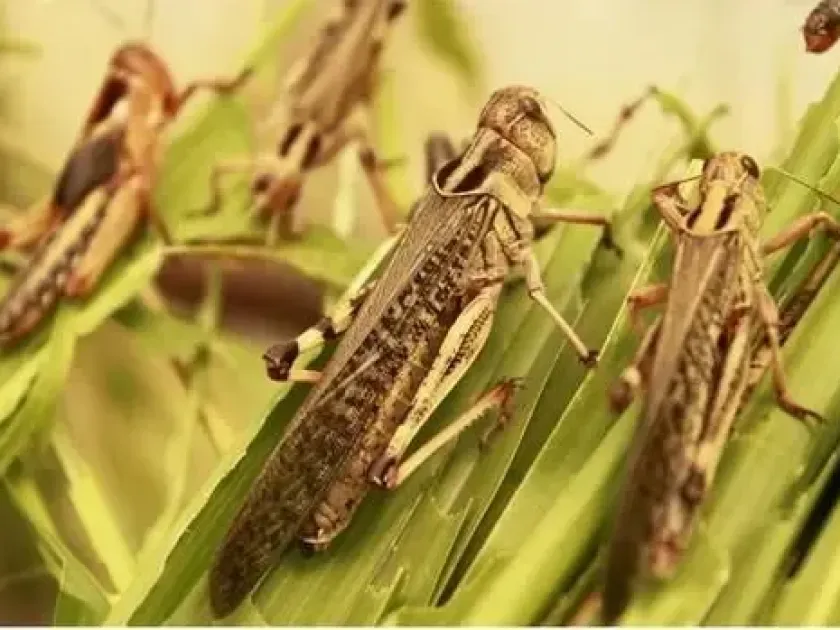
Description
How to identify
Oxya formosana is a species of grasshopper belonging to the order Orthoptera and the family Acrididae. These insects are medium-sized and possess a slender body, well-adapted for jumping and flying.
Adults typically exhibit colors ranging from green to brownish, providing effective camouflage within vegetation. A distinct characteristic of the species is the presence of dark bands along the sides of the head and the pronotum.
Sexual dimorphism is evident in size, as females are generally larger than males and equipped with a robust ovipositor designed for laying eggs in plant tissues or the soil.
The nymphs visually resemble the adults but are smaller in size and lack fully developed wings. Their life cycle involves several molting stages before reaching adulthood.
This species is a typical representative of the entomofauna in tropical and subtropical regions, favoring humid habitats, which correlates with its strong association with rice cultivation.
What it damages
The primary food sources for this pest are cereal crops, with rice being the most significantly affected. They may also damage sugarcane and certain wild grasses.
The insects feed on leaf blades, starting from the edges and progressing towards the center of the leaf, leading to substantial loss of the plant's photosynthetic surface.
In cases of mass outbreaks, the grasshopper can devastate crops over large areas, consuming not only leaves but also young shoots, which severely stunts plant growth.
The most significant damage occurs during the tillering and booting stages, when leaf health is critical for grain formation and yield potential.
Beyond the physical destruction of foliage, the wounds inflicted by the pest serve as entry points for secondary infections and fungal diseases, further weakening the plant's immune system.
When it appears
The life cycle of Oxya formosana is closely tied to seasonal changes in temperature and humidity. In its native range, the species can produce multiple generations per year.
The overwintering stage consists of eggs laid in the soil or in dry plant debris, which are highly resistant to adverse environmental conditions.
Nymph emergence begins with the rise in average daily temperatures during the spring. Peak population density usually coincides with the active growth phase of agricultural crops.
Throughout the growing season, overlapping generations occur, meaning that nymphs of various ages and adult specimens can often be found in the field simultaneously.
Activity gradually declines toward the end of summer and autumn, concluding with the laying of eggs for the next generation's overwintering period.
Signs of infestation
The first sign of pest presence is the appearance of characteristic "notched" or irregular leaf edges on rice plants, caused by the insects feeding.
During morning or evening hours, the insects themselves can be observed; they typically jump or fly to adjacent stems when approached by humans.
Small dark granules, which are the excrement of the pest, are often found on the leaves, serving as an indirect indicator of active feeding by the population.
Significant yellowing and gradual withering of leaves, in the absence of other obvious disease symptoms, suggest a high level of infestation by the grasshopper.
The detection of large numbers of nymphs near the base of the plant or on the lower stems indicates the early stages of a developing infestation outbreak in the field.
Control measures
Effective control starts with agricultural practices, such as removing weeds around field borders, which often serve as a reservoir for the pest population.
Water level management in rice paddies can help limit the areas suitable for egg-laying and nymph development, thereby reducing the total population size.
The application of biological control methods, including the use of entomopathogenic fungi or natural enemies (such as predatory birds and specialized parasitoids), helps to suppress population numbers.
Chemical control with insecticides is recommended only when the economic injury threshold is exceeded. It is crucial to use products approved specifically for cereal crops.
Regular monitoring using light traps or visual counts within designated sampling areas allows for timely decision-making regarding the implementation of protective measures.
Taxonomy
- Latin name
- Oxya formosana
- Order
- Orthoptera (locusts)
- Family
- Acrididae
- EPPO code
- OXYXFO
Discussion
No discussions yet — be the first.