
Opomyza
Opomyza
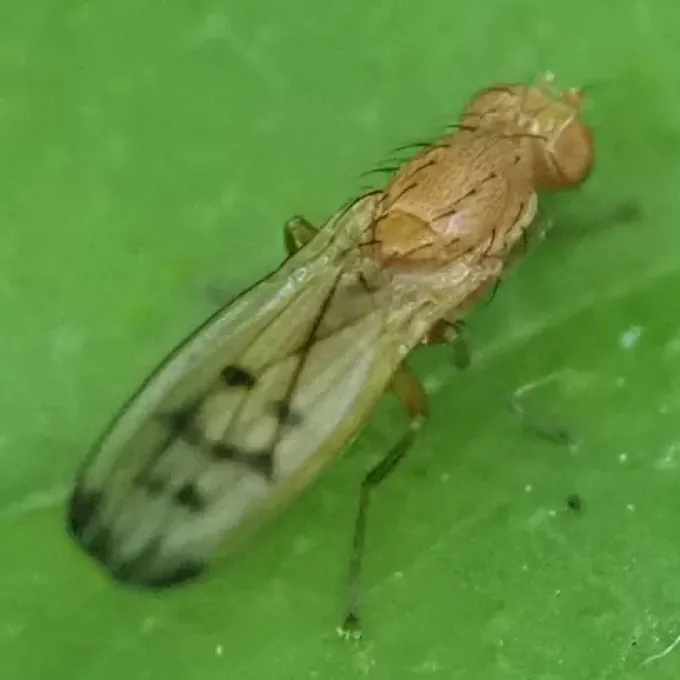
Description
How to identify
Opomyza, commonly known as the yellow cereal fly, belongs to the family Opomyzidae, order Diptera. These are small flies, typically 3-5 mm in length, often characterized by yellowish-brown bodies and distinct dark spots on their wings.
Adult flies are highly mobile during the early spring. They lay eggs in the soil near the base of cereal plants or under the leaf sheaths. These eggs hatch into small, legless maggots that are responsible for the damage to the host plants.
The larvae are cylindrical, whitish to creamy in color, and possess specialized mouthparts used to consume plant tissues. Their development takes place internally within the stem of the host plant, making them difficult to detect without careful inspection.
The life cycle typically includes one generation per year. Successful development is highly dependent on spring weather conditions, with cool, moist periods often favoring the survival and infestation rates of this pest.
Expert identification requires examining the cephalopharyngeal skeleton of the larvae and observing the specific wing venation of the adults to distinguish Opomyza from other cereal-infesting flies like the frit fly.
What it damages
Opomyza primarily attacks winter and spring wheat, barley, rye, and oats. In some agricultural regions, wild grasses may serve as alternative hosts, acting as reservoirs for the population before they migrate to cultivated fields.
The larvae cause significant damage by boring into the main stem of young cereal plants. They feed on the tender tissues, often severing the growth point, which causes the central leaf to wither and die.
In cases of severe infestation, the primary tiller is destroyed. While plants might attempt to compensate by producing side tillers, this process is energy-consuming and often fails to compensate for the lost yield potential, especially under adverse growing conditions.
The economic impact is most severe during the tillering stage. Reduced plant density is a common consequence of Opomyza presence, directly leading to lower harvest yields and decreased grain quality.
Secondary infections, such as fungal pathogens, often exploit the damaged stems, further weakening the plant and complicating the initial identification of the primary pest.
Signs of infestation
The most visible symptom of Opomyza infestation is the yellowing and wilting of the central leaf, often referred to as the "dead heart" symptom. This leaf can be easily pulled away from the stem.
Upon splitting the stem, one can observe larval feeding channels and the larvae themselves within the lower sections of the plant. The interior tissue often shows signs of necrosis and discoloration.
Field inspection typically reveals localized patches of damaged plants. These areas often correlate with field margins or low-lying regions where environmental conditions are more favorable for the fly's development.
Infected fields often appear stunted and uneven in height. Early-stage damage might go unnoticed until the tillering phase, at which point the loss of the primary stem becomes clearly visible across the crop canopy.
Monitoring the flight activity of adult flies using yellow sticky traps is a standard practice for agronomists to determine the timing and density of the pest population before infestation occurs.
Control measures
Integrated pest management is essential for controlling Opomyza. Crop rotation is the most effective cultural practice, as it prevents the buildup of larval populations in fields where cereal crops are planted consecutively.
Deep autumn plowing of stubble helps to eliminate pupae that overwinter in the soil. Proper seedbed preparation and timely sowing ensure that plants reach a stage of development less vulnerable to larval attack.
Chemical control involving systemic insecticides as seed treatments provides robust protection for seedlings. For established crops, foliar applications during the peak flight of adults can significantly reduce egg-laying rates.
Threshold-based spraying should be conducted after monitoring the adult fly counts, ensuring that chemical interventions are timed correctly to maximize efficacy while minimizing environmental impact.
- Implementation of crop rotation
- Deep tillage of harvest residues
- Systemic seed treatments
- Monitoring with yellow sticky traps
- Timely foliar insecticide application
Taxonomy
- Latin name
- Opomyza
- Order
- Diptera (flies)
- Family
- Opomyzidae
- EPPO code
- OPOMSP
Discussion
No discussions yet — be the first.