
Omocestus
Omocestus
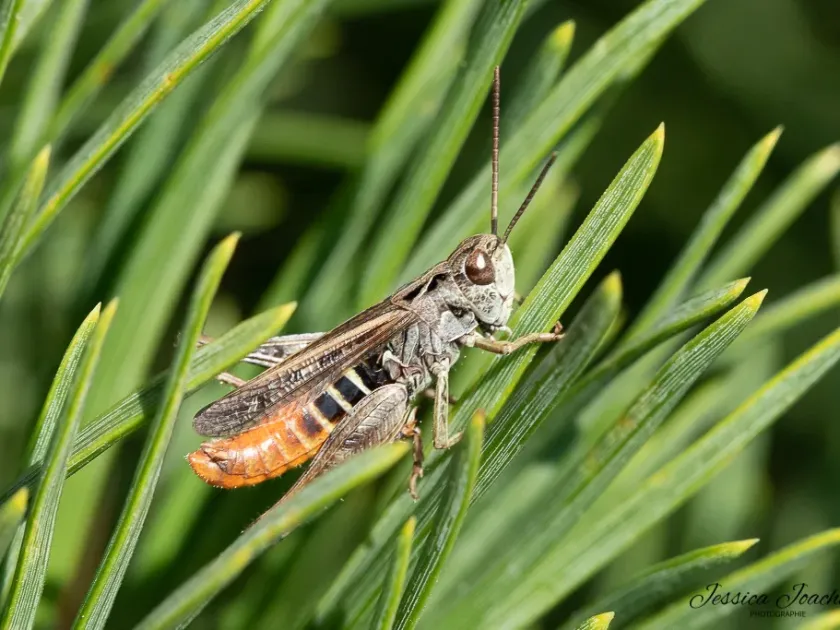
Description
How to identify
Omocestus is a genus of grasshoppers belonging to the family Acrididae and the order Orthoptera. These insects are widely distributed in various ecosystems, including agricultural fields and grasslands.
The genus is characterized by specific morphological traits, most notably the curved lateral carinae on the pronotum, which distinguish them from related genera.
Adult Omocestus grasshoppers typically exhibit color variations ranging from green to brown, providing effective camouflage within vegetation.
Sexual dimorphism is evident, with females usually being larger and more robust than males, reflecting their primary biological role in egg production.
Nymphs resemble smaller, wingless versions of adults and undergo several molts before reaching their final, winged reproductive stage.
What it damages
Omocestus species are known polyphagous pests, capable of feeding on a diverse range of plant species, including various cereals and pasture grasses.
In cases of high population density, they can cause significant foliage loss, leading to reduced photosynthetic capacity in young cereal crops.
The damage caused by these insects includes extensive leaf stripping, which can leave plants stunted and decrease the overall grain yield potential.
Because these grasshoppers are mobile, they can quickly spread from field margins into the center of a crop, causing patchy or uniform damage across a large area.
Persistent grazing by high numbers of Omocestus can also degrade the quality of forage crops, making them less suitable for livestock consumption.
When it appears
The life cycle of Omocestus is typically univoltine, meaning there is one generation per year, with the species overwintering in the egg stage within soil pods.
Nymph hatching begins in the spring, triggered by rising soil temperatures and favorable moisture levels that align with early crop growth stages.
The nymphal stage lasts throughout late spring and summer, during which the insects pass through five distinct developmental instars.
Adult grasshoppers emerge during mid-to-late summer, when they become highly mobile and focus their energy on mating and oviposition.
The lifecycle concludes with egg-laying in the soil surface, ensuring the population persists through the winter until the next season begins.
Signs of infestation
The presence of Omocestus is frequently identified by irregular, ragged feeding holes along the edges of leaf blades on cereal crops.
Significant infestations often reveal themselves through high movement of insects when walking through the field, as they jump or fly in response to disturbance.
Visual spotting of nymphs in the field during the early morning or late evening is a key indicator of developing populations in the crop canopy.
The characteristic stridulation or "chirping" sound produced by males during warm days is a strong auditory sign of an active grasshopper population.
Fall surveys involving the excavation of soil samples can confirm the presence of egg pods, allowing farmers to predict the risk for the upcoming year.
Control measures
Cultural control is a primary defense, specifically deep autumn plowing, which exposes egg pods to extreme weather and predators, drastically reducing survival.
Effective management of field margins and weed control is essential to eliminate breeding grounds and limit the migration of grasshoppers into the main crop.
When economic thresholds are exceeded, the application of registered insecticides is recommended, particularly targeting younger nymph stages for maximum efficacy.
Promoting natural biological control by conserving predatory birds and beneficial insects helps maintain grasshopper populations at manageable levels.
Consistent monitoring and field scouting are critical to detect localized outbreaks early, allowing for targeted intervention before the damage becomes widespread.
Taxonomy
- Latin name
- Omocestus
- Order
- Orthoptera (locusts)
- Family
- Acrididae
- EPPO code
- OMOCSP
Discussion
No discussions yet — be the first.