
Oechalia
Oechalia
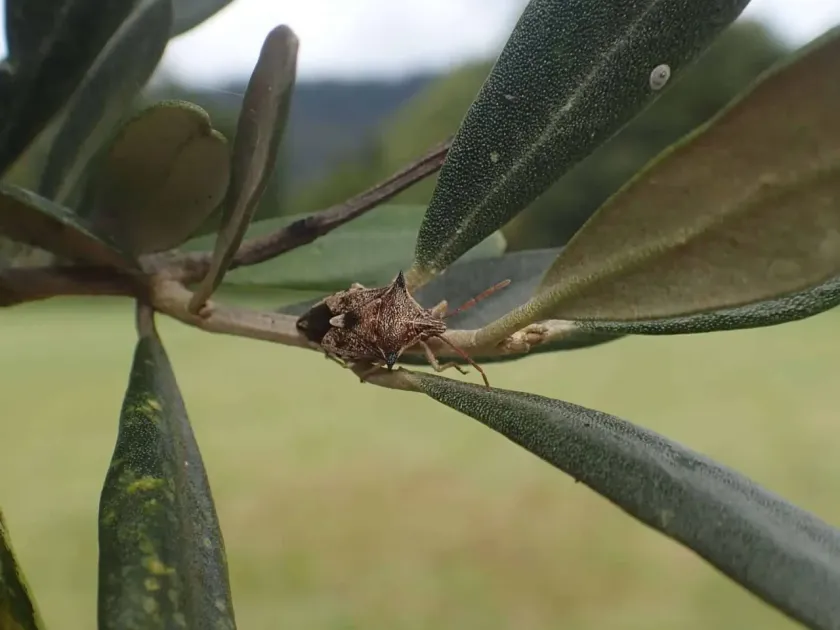
Description
How to identify
The genus Oechalia belongs to the Pentatomidae family, commonly known as shield bugs or stink bugs. These insects are easily recognized by their shield-shaped body structure and sharp pronotal spines.
Adult bugs typically exhibit a mottled brownish or greyish coloration, which acts as effective camouflage among leaves, stems, and soil debris in the field.
Nymphs undergo several instars of development. Unlike adults, they are wingless and often display different color patterns, making accurate identification at early stages a challenge for farmers.
While many species within this genus act as beneficial predators feeding on other insects, they are opportunistic feeders that can inflict damage on various agricultural crops when prey density is low.
The taxonomic classification of Oechalia requires careful examination, as many regional species share similar morphological traits that can be misleading during field scouting.
What it damages
Oechalia species can impact a variety of crops, including grains, legumes, and vegetable plants, causing significant economic losses in cases of high infestation.
They utilize piercing-sucking mouthparts to feed on plant juices. During feeding, they inject salivary enzymes that cause necrosis and wilting at the puncture sites.
Damage to generative plant parts is particularly severe, often leading to the abscission of blossoms, buds, and young pods, which directly impacts fruit set and yield potential.
Feeding injury creates weakened areas on the plant, which may become entry points for secondary pathogens like fungi or bacteria, worsening the overall plant health.
The pest tends to be more active and destructive during warmer months, which often coincides with critical growth phases of many staple crops.
Control measures
Effective management begins with regular field scouting to monitor population levels and identify early signs of feeding before they escalate into an outbreak.
Cultural practices are essential, including the removal of weeds and crop residues that serve as overwintering sites or alternative food sources for the bugs.
Biocontrol strategies involve promoting the presence of natural enemies, such as parasitic wasps or predatory birds, to keep the populations of shield bugs in check naturally.
When chemical control is necessary, select insecticides that are specifically labeled for shield bugs and apply them in accordance with economic injury levels to minimize environmental impact.
Implementing a diverse crop rotation system can break the life cycle of the pest, making it more difficult for established populations to survive and reproduce effectively in the same area.
Taxonomy
- Latin name
- Oechalia
- Order
- Hemiptera (bugs, aphids, leafhoppers)
- Family
- Pentatomidae
- EPPO code
- OECHSP
Discussion
No discussions yet — be the first.