
Odontotermes assmuthi
Odontotermes assmuthi
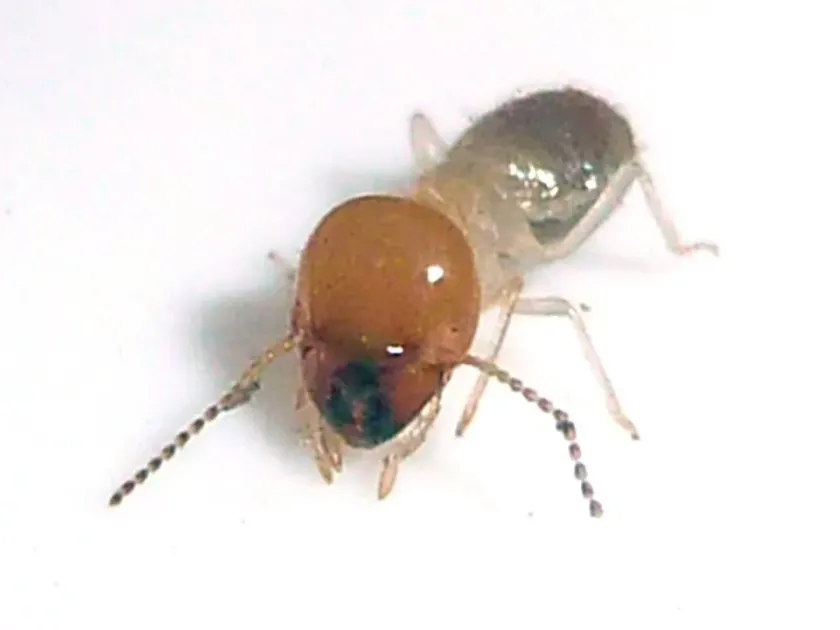
Description
How to identify
Odontotermes assmuthi belongs to the order Isoptera and the family Termitidae, widely recognized as mound-building termites found in the soil.
The colony structure includes workers, soldiers, and reproductive individuals, each fulfilling specific roles essential for the hive's survival.
Soldiers of this species are identified by their strongly chitinized, dark-colored heads and powerful mandibles used for defense against predators.
The biological cycle starts with the nuptial flight, followed by the establishment of a new colony by a royal pair in a deep underground chamber.
These insects rely on mutualistic fungi to digest cellulose, which they cultivate in specialized chambers within their subterranean nests.
What it damages
This species is a significant pest of sugarcane, attacking setts shortly after planting and causing severe gaps in the crop stands.
They damage woody plants by tunneling through the roots and the lower parts of the stem, often causing trees to collapse during strong winds.
Beyond live crops, they are known to cause damage to stored timber, wooden structures, and various types of organic mulch in agricultural fields.
The damage is most severe during the dry season, as termites forage more actively in search of moisture available in living plant tissues.
High infestation levels can lead to complete failure of propagation, necessitating replanting and increasing production costs significantly.
Signs of infestation
The presence of mud galleries or earthen tubes covering the stem of sugarcane or tree bark is the most obvious sign of infestation.
Wilting of foliage is a common symptom when the root system has been destroyed, hindering the plant's ability to transport water and nutrients.
Excavating the soil around the base of the plant reveals termite tunnels and sometimes the characteristic fungus combs of the colony.
The internal tissues of the stem or roots may appear hollowed out, frequently replaced by soil particles moved by the worker termites.
Visual spotting of alates (winged termites) emerging from the soil after the first monsoon showers indicates an active colony in the vicinity.
Control measures
Integrated pest management includes deep tillage to disturb the soil environment and destroy the mound structures and galleries.
Applying persistent soil insecticides during planting acts as a chemical barrier protecting the vulnerable setts from initial termite attacks.
Sanitation practices, such as removing leftover plant debris and woody materials, significantly reduce the available food sources for the termites.
Using resistant crop varieties or adjusting planting dates to avoid peak termite activity periods can mitigate potential harvest losses.
- Regular inspection of the fields for new mud tube formations.
- Biological control using Metarhizium anisopliae or other entomopathogenic fungi.
- Maintaining soil health to encourage vigorous plant root development.
Taxonomy
- Latin name
- Odontotermes assmuthi
- Family
- Termitidae
- EPPO code
- ODOEAM
Discussion
No discussions yet — be the first.