
Odontopodisma schmidti
Odontopodisma schmidti
Description
How to identify
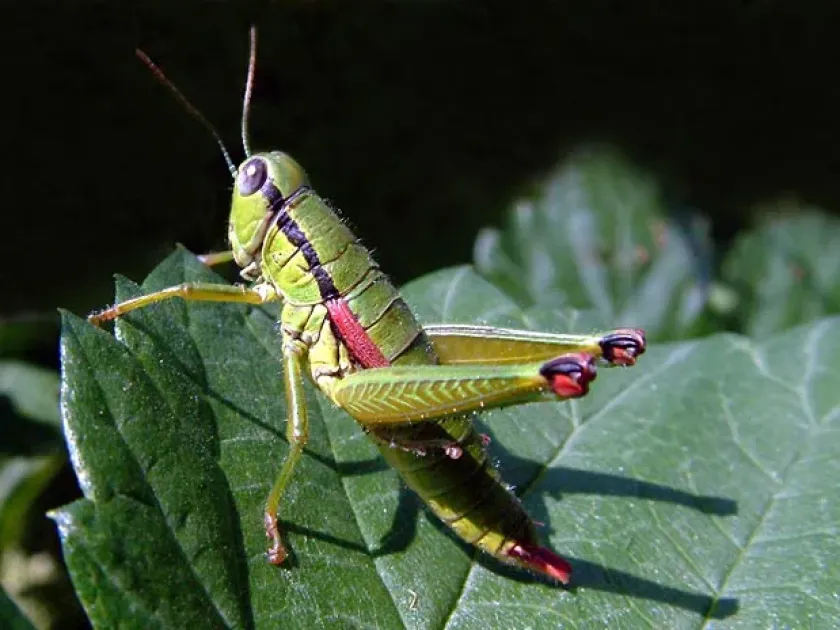
Odontopodisma schmidti is a species of short-horned grasshopper belonging to the Acrididae family. It is a medium-sized insect, with adults typically measuring between 15 and 25 millimeters in length.
The insect possesses a cryptic coloration, ranging from brown to olive green, which allows it to blend seamlessly into dry vegetation and soil. This camouflage makes them difficult to detect during the early stages of infestation.
Key morphological characteristics include shortened tegmina (forewings) that often fail to reach the end of the abdomen. Both sexes feature strong, well-developed hind legs, enabling them to make powerful jumps when disturbed.
The species primarily inhabits open landscapes, including mountain slopes, meadows, and forest clearings. It is mainly found throughout Central and Southeastern Europe, preferring areas with moderate moisture.
The life cycle consists of the egg stage, five nymphal instars, and the adult stage. The insect overwinters as eggs, which are deposited by females into the soil inside protective egg pods, known as oothecae.
What it damages
As a polyphagous insect, Odontopodisma schmidti feeds on a wide variety of plant species. While they prefer wild grasses, they can migrate into agricultural fields when population densities become high enough.
The primary damage is inflicted upon cereal crops, legumes, and forage grasses. Both nymphs and adults consume leaf tissue, which reduces the photosynthetic capacity of the plants and impacts their overall health.
Infested crops may show significant defoliation, which stunts growth and reduces final yields. In cases of severe outbreaks, the insects can destroy significant portions of the standing crop, leading to economic losses.
Unlike gregarious locust species, this grasshopper typically maintains a solitary lifestyle. However, localized clusters can cause concentrated damage, especially in fields bordered by unmanaged grasslands or pastures.
The severity of the damage is often dependent on the developmental stage of the crop. Young seedlings are particularly vulnerable, as even moderate feeding can result in the complete destruction of individual plants.
When it appears
The development of the species is highly dependent on ambient temperature. Nymphs typically emerge in the spring, usually between April and May, as the soil warms up and vegetative growth begins.
The nymphal stage lasts for approximately one to two months, during which the insects pass through five molts. During this time, they are highly active and focus on constant feeding to fuel their growth.
Adult emergence generally occurs in early summer. During June and July, the insects reach sexual maturity, feed intensely, and begin their reproductive phase, which ensures the survival of the next generation.
Activity remains high throughout the summer months. By late August and early September, females focus on finding suitable soil sites to lay their eggs, ensuring the eggs are protected from the coming winter frost.
The species is univoltine, meaning it completes only one generation per year. While this limits the speed of population growth, the eggs are highly resilient, ensuring a consistent presence of the pest in the environment.
Signs of infestation
The first signs of infestation are ragged leaf edges and small holes in the foliage of host plants. These damage patterns are created as the insects use their mandibles to feed on the leaf blades.
Increased grasshopper activity is a strong indicator of an infestation. If you walk through a field and observe numerous insects leaping away, it is a clear sign that the population density is increasing.
Small, pellet-like frass (insect excrement) may be visible on the leaves or at the base of the plant stem. This is a common indicator of sustained feeding activity by the nymphs or adults.
Male grasshoppers often produce distinctive stridulatory sounds (chirping) during the day. Hearing this sound consistently in the field indicates that the population has reached its adult stage.
At severe levels of infestation, patches of the field may look "stripped." Plants will appear defoliated, with only the harder stems remaining, signaling a critical need for intervention.
Control measures
Effective management requires an integrated approach that combines preventive agrotechnical practices with targeted chemical treatments when necessary.
Regular maintenance of field margins is crucial. Removing weeds and tall grasses along fences and roadsides eliminates the primary habitats where the grasshoppers congregate before entering crop fields.
Tillage practices, such as discing or plowing in the autumn, can significantly reduce the overwintering success of the eggs by disturbing and burying the egg pods deep in the soil.
If population counts exceed the economic injury level, the application of registered insecticides is recommended. It is important to target the younger nymphal stages, as they are generally more susceptible to control measures.
Promoting a healthy environment for natural predators, such as insectivorous birds and parasitic wasps, can help suppress grasshopper populations naturally. Avoid excessive chemical use to protect these beneficial organisms.
Taxonomy
- Latin name
- Odontopodisma schmidti
- Order
- Orthoptera (locusts)
- Family
- Acrididae
- EPPO code
- PODMSC
Discussion
No discussions yet — be the first.