
Neoseiulus womersleyi
Neoseiulus womersleyi
Description
How to identify
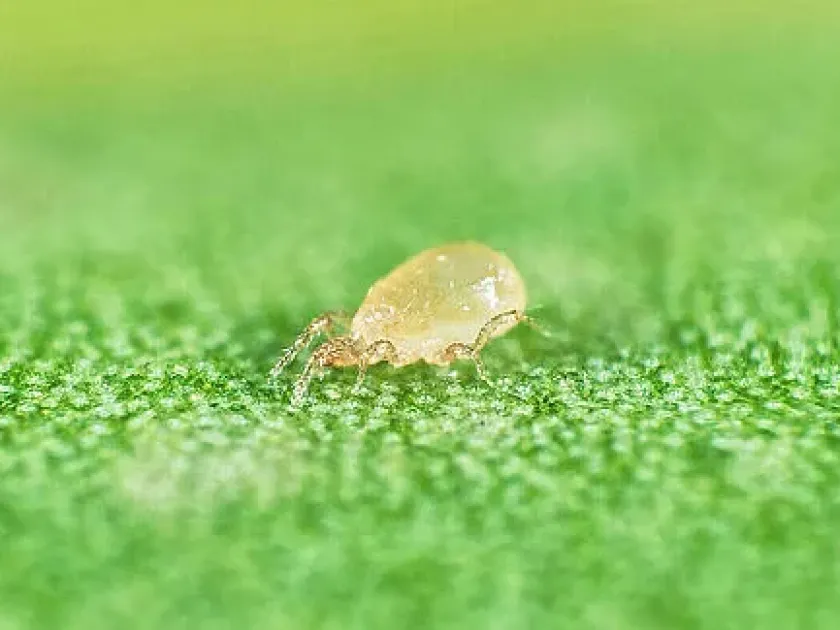
Neoseiulus womersleyi belongs to the family Phytoseiidae within the order Mesostigmata. While primarily predatory, this species exhibits traits that can lead to plant damage under specific environmental conditions.
The mite is microscopic, possessing a translucent to brownish body shape typical for the family. Identification requires a hand lens or a microscope due to its diminutive size and cryptic behavior.
The life cycle includes the egg, larva, two nymphal stages, and the adult stage. The speed of development is highly dependent on environmental temperature and the availability of food sources.
Unlike obligate predators, this species can utilize plant sap as a primary food source, which classifies it as a significant pest in greenhouse and nursery environments.
Their adaptive nature allows them to persist across various host plants, making them difficult to eradicate once a population has established itself within a crop system.
What it damages
Neoseiulus womersleyi causes direct physical damage to a variety of vegetable, ornamental, and fruit crops by feeding on the cellular content of leaf tissues.
As they feed, they disrupt the plant's ability to photosynthesize effectively. This results in the formation of chlorotic spots, which eventually lead to yellowing and wilting of the leaves.
Heavy infestations lead to stunted growth and the deformation of young shoots, causing significant reductions in yield and lowering the quality of the harvested produce.
Feeding damage also provides entry points for various secondary infections, such as bacterial or fungal pathogens, further weakening the plant's structural integrity.
Persistent feeding stress forces the plant to divert energy toward recovery rather than fruit production, significantly impacting the overall economic viability of the affected crop.
When it appears
In greenhouses, this pest can be active throughout the year, provided temperatures remain favorable for its reproduction and development cycles.
Hot, dry weather conditions trigger population surges, as low humidity levels typically suppress the natural mortality of larvae and accelerate the maturation rate of adults.
The mite overwinters in protected areas, including plant debris, soil crevices, or structural gaps in greenhouses, waiting for the return of warmer conditions to initiate new cycles.
Seasonal migration between crops can occur through manual labor, contaminated tools, or wind currents, especially when population density is at its peak.
Understanding the seasonal behavior is crucial, as the pest's presence often remains hidden until visible damage becomes apparent on the crop's foliage.
Signs of infestation
The earliest symptom is the appearance of minute, pale stippling or spotting on the underside of leaves, which serves as a telltale sign of active mite feeding.
As the infestation progresses, leaves may begin to curl, lose their luster, and change color, indicating deep tissue damage caused by consistent sap removal.
A fine, web-like residue may sometimes be visible around the infested areas, which acts as a secondary indicator of a large population density within the canopy.
The presence of exuviae (molted skins) on the leaf surface is a reliable sign that the mite population is actively growing and molting in the immediate vicinity.
Stunted development of terminal buds and the failure of new leaves to expand properly are definitive indicators that immediate control measures must be taken.
Control measures
Management strategies emphasize the maintenance of humidity levels, as higher moisture helps to naturally regulate population growth and reduces the mite's reproductive success.
Sanitation is paramount; removing infested foliage and clearing debris from growing areas significantly reduces the number of refugia available for the mites to overwinter.
Biological control can be implemented by managing the environment to support beneficial predatory insects that naturally compete with or consume the pest species.
Targeted chemical interventions using specific acaricides should be used sparingly to avoid harming beneficial arthropods, ensuring the overall stability of the agro-ecosystem.
- Monitor populations regularly using sticky traps.
- Use certified, pest-free planting materials for all cycles.
- Maintain optimal crop spacing to ensure proper air circulation.
- Implement strict hygiene protocols for tools and greenhouse equipment.
Taxonomy
- Latin name
- Neoseiulus womersleyi
- Order
- Mites
- Family
- Phytoseiidae
- EPPO code
- AMBSWO
Discussion
No discussions yet — be the first.