
Nasutitermes exitiosus
Nasutitermes exitiosus
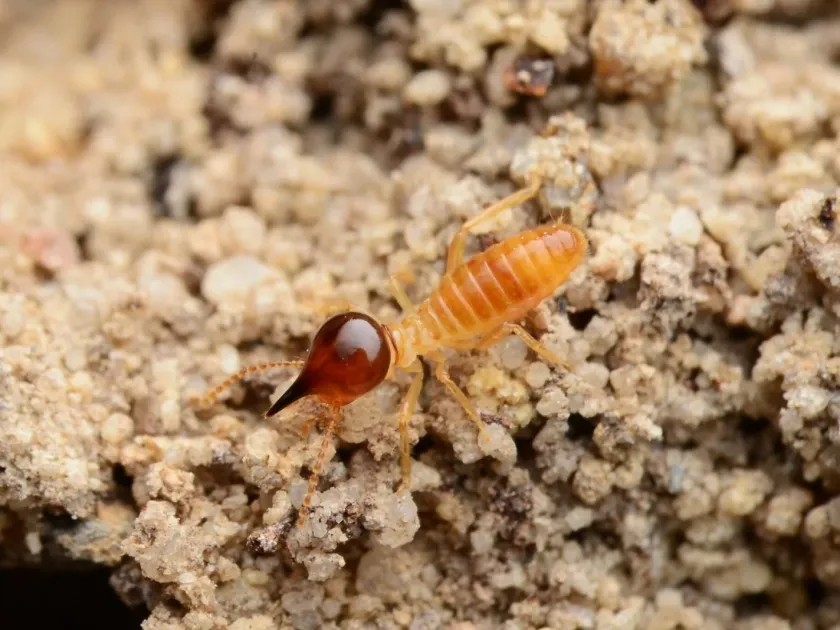
Description
How to identify
Nasutitermes exitiosus is a species of termite belonging to the family Termitidae. These insects are highly social and maintain complex colony structures comprising different castes: workers, soldiers, and reproductives.
The soldier caste is easily identified by its pear-shaped head featuring a prominent snout or "nasus." This unique structure allows them to squirt defensive chemical secretions at potential predators.
The colonies are famous for building massive, dome-shaped mounds that rise above the ground. These structures regulate temperature and humidity, providing an ideal environment for the queen, who serves as the reproductive heart of the colony.
The life cycle undergoes incomplete metamorphosis, consisting of egg, nymph, and adult stages. Worker termites are responsible for foraging and maintaining the colony's tunnel network.
Native to Australia, these termites are crucial for ecosystem balance as they break down cellulose in dead organic matter, though they act as significant pests when they encroach on human-managed lands.
What it damages
The primary damage caused by Nasutitermes exitiosus involves the destruction of structural timber and fencing. They consume wood by creating extensive galleries inside, which can lead to structural failure.
In agriculture, they can severely impact fruit trees and shrubs. By tunneling into the roots and the base of the trunk, they disrupt the transport of nutrients and water, ultimately weakening or killing the plants.
When plants are already stressed due to environmental factors, termite infestations become more aggressive, often allowing secondary fungal pathogens to enter the plant tissues.
Stored agricultural products are also at risk. If wooden crates, pallets, or storage sheds are not treated, these termites can infiltrate the storage area and destroy both the containers and the contents.
Their subterranean lifestyle makes them difficult to detect, as they often consume the interior of plant tissues while leaving the outer bark intact until the damage is advanced.
Signs of infestation
The most visible indicator of an infestation is the presence of large, earthen or carton-like mounds constructed on the soil surface or near the base of infested trees.
Termites often build protective mud tubes on tree trunks and building foundations. These tubes serve as covered pathways, shielding the termites from light and predators as they move to food sources.
Internal wood damage, often referred to as "honeycombing," is a clear sign. If a piece of wood sounds hollow when tapped, it is highly likely that termites have colonized the structure.
Unexpected wilting or sudden death of plants, despite sufficient watering, often indicates that the subterranean termite galleries have severed the main roots.
The emergence of winged reproductive forms during the swarming season suggests the presence of a mature, thriving colony in the immediate vicinity.
Control measures
Effective control requires identifying the primary colony site. Direct treatment of the mound with appropriate insecticides can neutralize the queen and cause the colony to collapse.
Baiting systems containing slow-acting insect growth regulators are highly effective. Foragers ingest the bait and distribute it throughout the colony, eventually eliminating the entire population.
Establishing a chemical barrier in the soil around buildings or high-value plantation areas prevents termites from accessing new food sources.
Good agricultural practices, such as removing stumps and decaying wood from fields, reduce the sites available for colony establishment and minimize the risk of infestation.
- Application of specialized timber preservatives to wood structures.
- Regular inspection of potential entry points.
- Monitoring with cellulose-based traps to detect early activity.
Taxonomy
- Latin name
- Nasutitermes exitiosus
- Family
- Termitidae
- EPPO code
- NASUEX
Discussion
No discussions yet — be the first.