
Bay mysid
Mysidopsis bahia
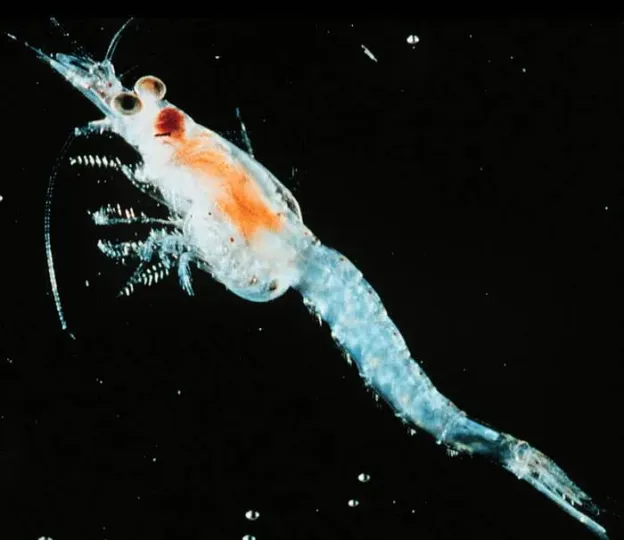
Description
How to identify
The Bay mysid (Latin Americamysis bahia, formerly Mysidopsis bahia) is a small crustacean belonging to the order Mysida and the family Mysidae.
Physically, it resembles a tiny shrimp, typically reaching a maximum length of about 10 millimeters. Its translucent body makes it difficult to detect within aqueous environments.
Identification of the species often requires microscopic analysis of antennal and pleopod structures, particularly when distinguishing it from similar aquatic organisms.
The life cycle of the Bay mysid is highly dependent on ambient water temperature and salinity, with optimal growth occurring at temperatures between 20–25 degrees Celsius.
While often studied as a model organism in toxicology, this species can become a nuisance pest in closed aquatic systems used for agricultural production.
What it damages
The Bay mysid primarily impacts crops grown via hydroponics, aquaponics, or within greenhouses utilizing sophisticated water recirculation systems.
The damage is primarily focused on the delicate root hair systems of plants that are submerged directly in nutrient solutions.
Increased population levels of these crustaceans can alter the chemical balance of the nutrient solution, indirectly hindering plant nutrient uptake.
Feeding damage on the root system weakens the plant's structural integrity and creates pathways for secondary fungal and bacterial infections.
In large-scale hydroponic operations, the presence of these pests can lead to significant reductions in overall crop yield and plant health.
Signs of infestation
The initial sign of a Bay mysid infestation is the presence of microscopic organisms floating in the nutrient solution or clogging filtration components.
Plants may exhibit classic signs of nutrient deficiency, such as chlorosis, despite maintaining optimal pH and nutrient concentrations in the reservoir.
Overall plant development is stunted, and the root mass appears thinner or necrotic compared to healthy control groups.
Visual inspections of the root system often reveal physical surface damage and brown, decaying areas where the mysids have been active.
Rapid population spikes in a closed system often coincide with a sudden decline in the vitality of younger or more sensitive plant varieties.
Control measures
Routine sanitation of all hydroponic and aquaponic system components between crop cycles is the most effective preventative measure.
Installing high-precision mechanical filtration systems can effectively trap and remove adults and larvae from the recirculation lines.
Monitoring and adjusting salinity and temperature levels to stay outside of the pest's optimal range can suppress population growth effectively.
In cases of heavy infestation, a complete flushing of the nutrient system combined with professional-grade disinfection is necessary.
Biological control strategies should be carefully vetted to ensure they do not interfere with the plant's root health or the broader aquaponic ecosystem.
Taxonomy
- Latin name
- Mysidopsis bahia
- Family
- Mysidae
- EPPO code
- MYSIBA
Discussion
No discussions yet — be the first.