
Mysids
Mysidopsis
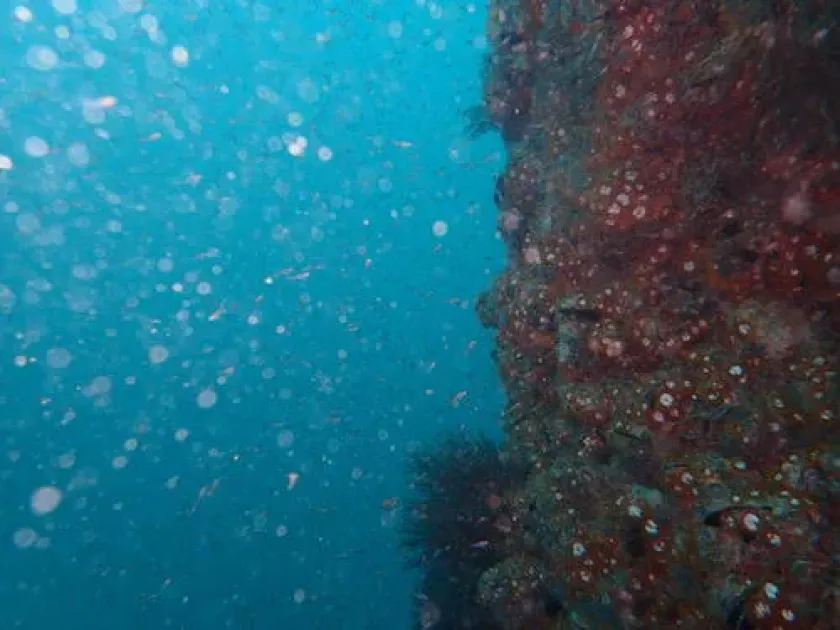
Description
How to identify
Mysids (genus Mysidopsis) are small, crustacean-like organisms belonging to the order Mysida. In agricultural terms, they are typically considered non-pests for terrestrial crops, as they are exclusively aquatic by nature.
These organisms are transparent and range from 5 to 30 millimeters in length. Their most prominent features include a carapace that partially covers the thorax and distinct, stalked eyes that aid in movement and sensory perception.
Mysids possess well-developed appendages adapted for both swimming and filtering organic matter from the water column. They thrive in environments rich in organic particles, which constitutes their primary diet.
Reproduction occurs through a brood pouch located on the female, where larvae develop until they are ready to be released into the environment. This strategy ensures a high survival rate in fluctuating aquatic conditions.
For agronomists, it is crucial to distinguish mysids from land-based pests. Their presence in agricultural settings is generally limited to aquaculture or closed-loop hydroponic systems where water quality is a factor.
What it damages
Mysids do not cause direct damage to terrestrial crops as they are unable to survive in soil or on plant leaves. Their negative impact is restricted to water-based agricultural systems like hydroponics or aquaculture.
In high concentrations within hydroponic reservoirs, they may compete with crops for suspended nutrients, although this impact is usually negligible unless the population density becomes extreme.
Rare cases of root damage might occur if mysids graze on tender plant tissues during periods of severe food scarcity in the water. However, this is not a characteristic behavior of the species.
The primary agricultural threat involves the clogging of water pumps, nozzles, and filtration systems. This mechanical interference can disrupt nutrient distribution and lead to crop stress.
Generally, mysids are viewed as beneficial components of an aquatic ecosystem rather than destructive pests, and they rarely require systematic eradication efforts in standard agricultural operations.
When it appears
The activity level of mysids is heavily dependent on water temperature and organic content. Population peaks typically occur during the warmer spring and summer months when metabolic rates are highest.
As water temperatures drop during winter, mysids reduce their activity and seek refuge in deeper, more stable layers of the water body to enter a state of dormancy or slow growth.
In indoor, climate-controlled environments such as vertical farms or modern greenhouses, seasonal fluctuations are neutralized, allowing mysids to breed throughout the entire year.
Population cycles often correlate with algal blooms, as these organisms feed on plankton and organic detritus. Therefore, excessive nutrient levels in the water are often the trigger for seasonal outbreaks.
Monitoring for the presence of these organisms is most effective when water temperatures consistently exceed 15 degrees Celsius (60 degrees Fahrenheit).
Control measures
Management of mysids in agricultural settings is primarily focused on mechanical exclusion and sanitation. Chemical control is rarely recommended due to the potential phytotoxicity to the crops being grown.
The most effective strategy is the installation of fine-mesh filtration at the water intake points to prevent mysids from entering the nutrient reservoirs and circulation systems.
Regular maintenance, including flushing of irrigation lines and deep cleaning of nutrient tanks, is essential to disrupt the reproductive cycles of any organisms present in the system.
Biological control, such as introducing small planktivorous fish or other natural predators in outdoor pond systems, can effectively keep mysid populations below harmful levels.
- Installation of fine-mesh intake filters.
- Regular sanitation of hydroponic nutrient reservoirs.
- Maintaining optimal water aeration and circulation.
Taxonomy
- Latin name
- Mysidopsis
- Family
- Mysidae
- EPPO code
- MYSISP
Discussion
No discussions yet — be the first.