
Wagtail
Motacilla
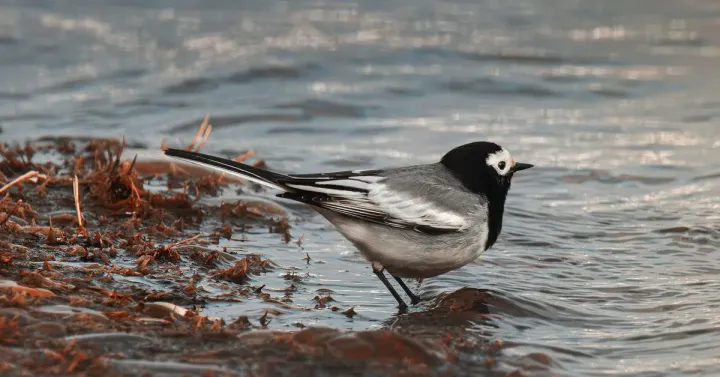
Description
How to identify
The wagtail (Motacilla) is a genus of small, slender insectivorous birds belonging to the family Motacillidae, known for their long tails that constantly bob up and down.
These birds are frequently found in open landscapes, including cultivated fields, meadows, and areas near water, where they forage for food.
They are characterized by a graceful appearance, thin legs, and a sharp, fine beak specifically adapted for snatching small insects.
The plumage of different species varies, often featuring sophisticated patterns of grey, black, and white, providing excellent camouflage on the ground.
As part of the Passeriformes order, wagtails possess a high metabolic rate and exceptional agility in their search for prey.
What it damages
Wagtails are not agricultural pests; they do not feed on crops, grains, fruits, or any other plant parts, meaning they pose zero threat to harvests.
On the contrary, they are highly beneficial to agriculture as they function as natural biological control agents against harmful arthropods.
Their diet consists primarily of flies, beetles, larvae, and other insects that can otherwise cause significant damage to young crops and root systems.
Claims suggesting that wagtails damage fields are scientifically unfounded, as their behavior is entirely directed at insect hunting.
By preying on various agricultural pests, they help maintain the balance of the ecosystem and reduce the overall insect pressure on crops.
When it appears
Wagtails are migratory birds that arrive in fields in early spring as soon as the soil starts to thaw and insect activity begins.
Their most intense activity is observed during spring tillage and sowing, as they naturally follow machinery to feed on exposed insects.
Throughout the summer, they continue to patrol fields, playing an active role in keeping pest populations suppressed during the peak vegetation phase.
In autumn, as insect availability decreases, they aggregate and prepare for their migration to warmer regions for the winter.
The presence of wagtails on farmland is strictly seasonal and correlates with the activity periods of their insect prey.
Signs of infestation
A primary sign of wagtail presence is their distinctive locomotion, characterized by rapid walking followed by quick, erratic stops and tail-bobbing.
They are frequently observed shadowing tractors and cultivators, utilizing the disturbed soil as a feeding ground to catch displaced insects.
They may nest in farm buildings, bridge structures, or sheltered banks, which are signs of a healthy and diverse local environment.
The absence of plant leaf damage or missing seeds in areas where wagtails are active further confirms their neutral impact on plant health.
Their droppings are minimal and do not contribute to the spread of agricultural plant diseases, as they are not carriers of botanical pathogens.
Control measures
Control measures against wagtails are neither necessary nor recommended, as they are essential allies in integrated pest management programs.
Farmers should prioritize the preservation of these birds by minimizing the use of broad-spectrum, highly toxic insecticides that could harm them.
Promoting local biodiversity and creating ecological buffer zones can encourage these birds to nest nearby, enhancing natural pest control.
Integrated plant protection strategies acknowledge that the presence of insectivorous birds like the wagtail significantly offsets the cost of chemical treatments.
Educational efforts regarding the role of beneficial bird species help agricultural producers recognize the value of these natural allies in field management.
Taxonomy
- Latin name
- Motacilla
- Family
- Motacillidae
- EPPO code
- MOTASP
Discussion
No discussions yet — be the first.