
Mormidea
Mormidea
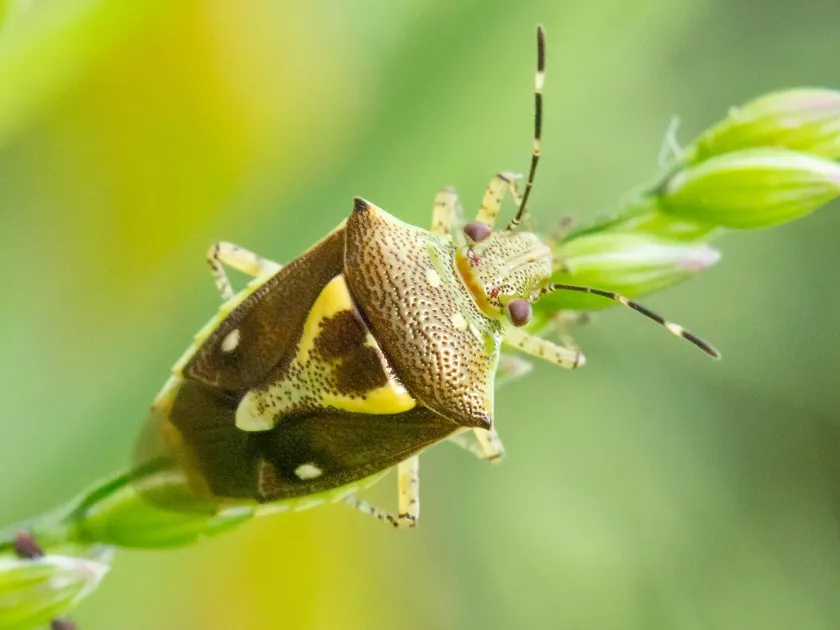
Description
How to identify
Mormidea is a genus of shield bugs belonging to the family Pentatomidae. These insects are characterized by their distinct shield-shaped bodies, which typically range from brown to reddish-brown in color, providing effective camouflage.
Adult insects are robust with well-developed wings, allowing them to migrate between fields and host plants throughout the growing season.
The life cycle consists of egg, nymph, and adult stages. Females typically deposit their eggs in small clusters on the underside of leaves to protect them from environmental stressors and predators.
Nymphs undergo several molts as they develop into adults. During these stages, they are often seen feeding in groups, which makes localized infestation easier to spot during field scouting.
These bugs thrive in humid, warm agricultural environments, making them particularly problematic in tropical and subtropical regions where rice cultivation is concentrated.
What it damages
The primary host plant for Mormidea is rice. Both nymphs and adults utilize their piercing-sucking mouthparts to feed on the plant's sap and developing grains.
Beyond rice, these bugs can survive on various wild grasses and alternative legume crops, which serve as reservoirs during the periods when main crops are not available.
Economic damage occurs primarily during the grain-filling stage. When the bugs feed on developing grains, they leave behind characteristic spots and deplete the grain's endosperm.
Feeding often results in "pecky rice" or discolored grains, which significantly reduces the commercial quality and marketability of the harvested crop.
In addition to direct damage, feeding wounds can introduce pathogens into the grain, potentially leading to secondary fungal infections that further degrade the yield quality.
When it appears
The presence of Mormidea in agricultural fields is closely tied to the phenology of the rice plant. Peak activity usually occurs during the booting and heading stages.
Several generations can occur within a single growing season, leading to rapid population growth if climatic conditions are conducive to their reproduction.
During the off-season, adults enter diapause, seeking shelter in plant debris, tall grasses, or forest edges bordering the cultivated fields.
As temperatures rise in the spring, the overwintered adults emerge and begin to colonize young rice shoots, initiating the cycle of infestation for the new season.
Regular monitoring of field edges and grassy borders is essential to predict potential outbreaks and implement timely interventions before the insects disperse into the crop.
Signs of infestation
Visual identification of infestation includes observing clusters of nymphs on the foliage, especially during the early morning hours when the insects are less active.
The presence of pale, necrotic spots on mature rice grains is a definitive sign of past feeding activity by stink bugs, indicating a reduction in quality.
Plants may show symptoms of stunted growth or yellowing of the panicles, particularly in areas where high concentrations of the pests have been feeding.
Small amounts of insect frass left on the stems or leaves can act as a secondary indicator that the area is currently inhabited by a colony of shield bugs.
Increased levels of empty or chalky grains in the harvest often correlate with significant bug pressure during the critical reproductive phases of the rice plant.
Control measures
Cultural control measures, such as the removal of host weeds from around fields and the management of irrigation, can help reduce the suitability of the environment for the pest.
Chemical control is often necessary if population counts reach the economic injury level, utilizing selective insecticides that target the bug while minimizing harm to beneficial insects.
Biological control plays a vital role in natural regulation; preserving natural parasitoids and predators, such as tachinid flies and egg parasitoids, can help suppress populations.
Post-harvest management, including field plowing and crop residue destruction, is effective in disrupting the overwintering sites of adult bugs.
- Deployment of pheromone traps for population monitoring.
- Synchronized planting schedules to limit the window of vulnerability.
- Application of bio-pesticides or targeted chemical treatments at appropriate growth stages.
Taxonomy
- Latin name
- Mormidea
- Order
- Hemiptera (bugs, aphids, leafhoppers)
- Family
- Pentatomidae
- EPPO code
- MORMSP
Discussion
No discussions yet — be the first.