
Monodonta
Monodonta
Description
How to identify
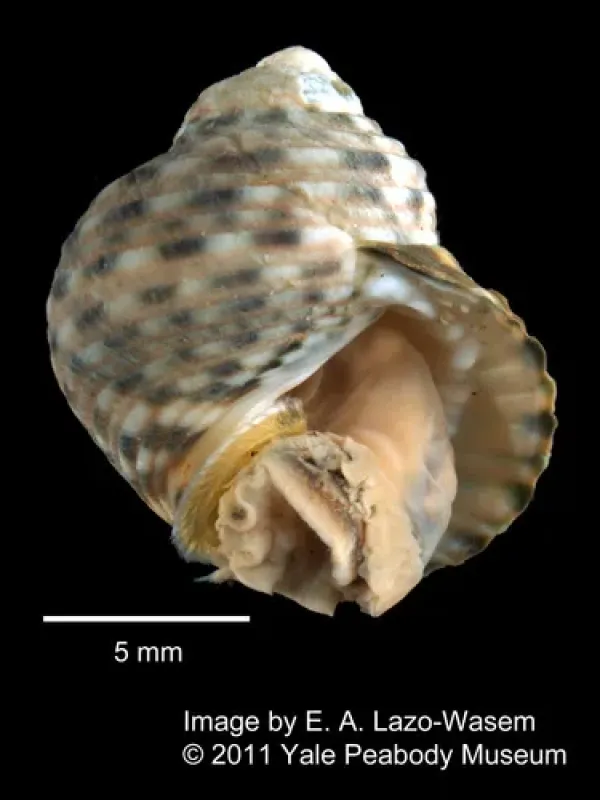
Monodonta belongs to the phylum Mollusca, class Gastropoda, and family Trochidae. It is a marine gastropod characterized by a conical shell with a smooth or spirally ribbed surface.
The organism consists of a head, a visceral mass, and a muscular foot. This foot is essential for adhering to rocks and substrates, allowing the mollusk to withstand strong currents and tidal forces.
The shell color typically ranges from greenish-grey to brown, often featuring dark spots or patterns that provide excellent camouflage against rocks and algae. Adults usually measure 15–30 mm in diameter.
These mollusks are primarily intertidal, meaning they thrive in the zone between high and low tide. They possess a specialized operculum to retain moisture within the shell during low tide periods.
The genus includes several species, with Monodonta turbinata being the most common in the Mediterranean and Black Sea regions, playing a vital role in local marine biodiversity.
What it damages
Monodonta is not a pest of terrestrial crops, as its habitat is restricted to salt water. However, it can cause damage within the context of marine aquaculture and seaweed farming.
They feed by grazing on microalgae attached to rocks and substrates. In high-density populations, this grazing behavior can damage the delicate tissues of young seaweed cultures or cultured aquatic plants.
Their activity may also contribute to the degradation of decorative aquatic structures located in the intertidal zone, as they constantly scrape the surfaces while feeding.
While the threat to land-based agriculture is nonexistent, their presence in mariculture environments requires careful management to prevent excessive consumption of valuable biomass.
Overall, the economic impact of Monodonta is limited to specific coastal operations where they compete with or graze upon commercially harvested algal species.
When it appears
The metabolic activity of Monodonta is highly dependent on water temperature. Their peak activity occurs during the spring and summer months when coastal waters are warm.
Reproduction typically takes place in warmer weather, resulting in an influx of larvae that settle in suitable areas. This period often coincides with an increase in their population density.
During the winter, as water temperatures drop, their metabolic rate decreases significantly. They enter a state of dormancy, seeking shelter in deep crevices to avoid environmental stress.
Autumn triggers migratory behavior, as mollusks seek protected areas to survive potential storm surges. Their feeding activity remains minimal during this transition period.
Understanding these seasonal patterns is crucial for managing their numbers, as preventative measures are most effective when applied before the start of the primary reproductive cycle.
Signs of infestation
The most reliable sign of a Monodonta presence is the accumulation of empty shells along the high-tide line following storm events or high wave activity.
Grazing marks, which appear as thin grooves or scratches on rock surfaces and aquatic supports, are indicative of a high concentration of these gastropods.
Visual inspection during low tide often reveals clusters of mollusks hiding in crevices or under damp stones. This confirms the presence of a localized colony.
Changes in the density and diversity of algal cover on underwater structures can also signal that these mollusks have been actively grazing in the area.
If young seaweed shoots show unexpected tissue loss, inspecting the substrate for small snails during early morning or evening hours is recommended to identify the source of damage.
Control measures
Manual removal is the most common and environmentally friendly method for controlling Monodonta populations in small-scale aquaculture or seaweed farms.
Manipulating water levels in artificial cultivation tanks can discourage these mollusks, as they require consistent moisture and are susceptible to desiccation when exposed for extended periods.
Chemical control is generally avoided to protect the delicate marine environment and ensure that the harvested products remain safe for human or animal consumption.
Installing physical barriers, such as copper-mesh or specific netting, can prevent these mollusks from reaching sensitive nursery areas where young algae are being grown.
Regular monitoring of coastal installations is essential to detect high population densities early, allowing for management strategies to be implemented before significant damage occurs.
Taxonomy
- Latin name
- Monodonta
- Order
- Molluscs
- Family
- Trochidae
- EPPO code
- MNDASP
Discussion
No discussions yet — be the first.