
Calliostoma
Calliostoma
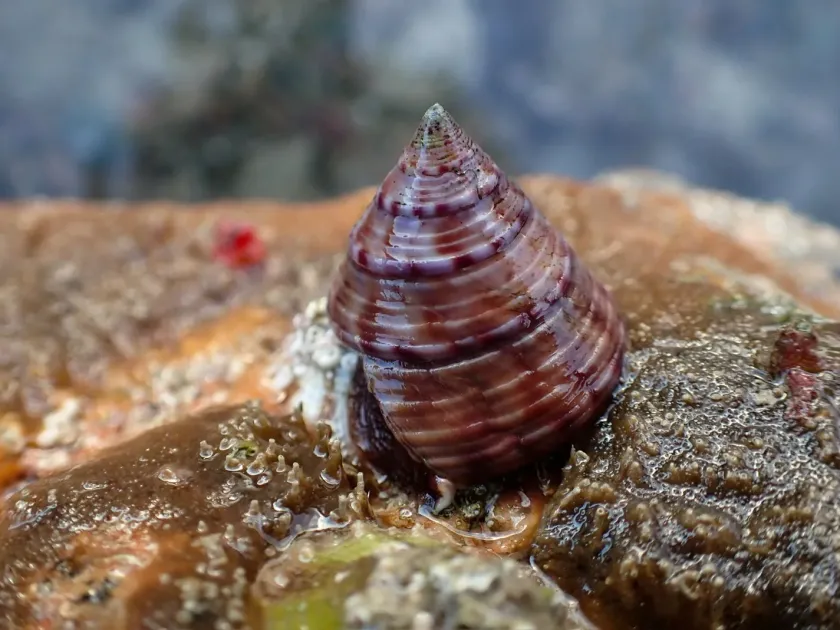
Description
How to identify
Calliostoma is a genus of sea snails belonging to the family Calliostomatidae. These mollusks are characterized by their conical, spiral-ribbed shells that provide protection against predators.
While they are primarily ocean dwellers, they can appear in coastal farming setups or hydroponic systems using natural seawater, potentially causing issues for cultivated marine flora.
They are generally found attached to hard substrates, rocky surfaces, or dense vegetation where they feed on organic films and plant tissues.
The life cycle involves larval stages that drift with water currents, allowing for colonization of new areas near human-made cultivation sites.
They are visually identified by their distinct, symmetrical shell patterns, which are often prized by collectors but can be a nuisance for professional growers.
What it damages
The damage caused by Calliostoma occurs primarily when they feed on delicate plant leaves and stems in a controlled environment or coastal nursery.
Using their radula, they scrape the epidermis off the leaves, causing tissue loss and leaving the plant vulnerable to osmotic stress and pathogen infiltration.
Severe infestations result in stunted growth, chlorosis, and the physical destruction of young shoots, making them non-viable for commercial harvesting.
In high-density aquaculture scenarios, their feeding habits can disrupt the balance of the ecosystem and cause visible scarring on commercial plant surfaces.
Furthermore, their biological presence adds pressure to the cultivated environment, often requiring immediate intervention to prevent widespread loss of young crops.
Control measures
Managing Calliostoma effectively relies on rigorous biosecurity protocols and physical exclusion methods within the cultivation system.
Fine-mesh screening is highly recommended at water intake points to prevent the entry of larvae and juvenile mollusks into the facility.
Regular monitoring of the substrate and manual removal during evening hours, when these snails are most active, remain the most reliable control practices.
Since chemical control is often unsafe for aquatic plants, it is better to focus on habitat modification by keeping surfaces clean of excess organic debris.
Routine inspection of all equipment and containers helps identify early infestations before they can reach a population density that damages crops significantly.
Taxonomy
- Latin name
- Calliostoma
- Order
- Molluscs
- Family
- Trochidae
- EPPO code
- KLSTSP
Discussion
No discussions yet — be the first.