
Calliostoma zizyphinum
Calliostoma zizyphinum
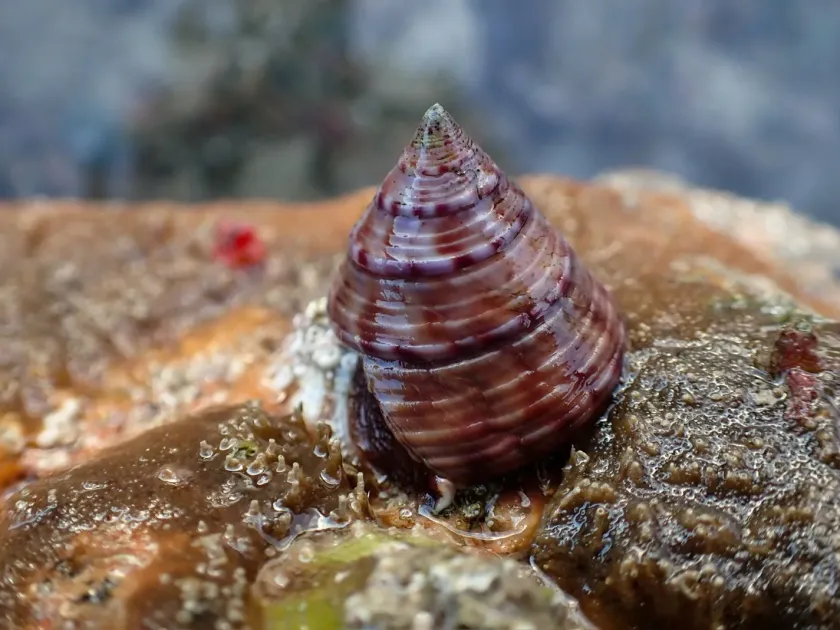
Description
How to identify
Calliostoma zizyphinum is a prominent species of marine gastropod belonging to the family Calliostomatidae, widely known for its distinct conical shell.
The shell is shaped like a pyramid with a smooth or finely striated surface, often displaying vibrant reddish-brown or pinkish patterns.
Adult individuals typically measure between 30 and 40 millimeters, possessing a hard and durable exoskeleton that protects them in tidal environments.
They move using a muscular foot, allowing them to navigate across both natural rock formations and artificial structures used in aquaculture.
Their sensory tentacles help them locate food sources in the intertidal zone, making them highly efficient at finding seaweed and other organic matter.
What it damages
In aquaculture, this mollusk is considered a pest because it feeds on cultivated seaweed, thereby reducing both the yield and the quality of the crop.
The feeding process involves scraping the plant surface with its radula, which causes physical damage to the leaves and inhibits normal plant growth.
When populations are high, they can cause significant economic losses by stripping away large areas of seaweed plantations within a short timeframe.
In addition to consuming the biomass, their presence can physically damage the nets and ropes used to hold the crops in place.
Damaged plants often become more susceptible to secondary fungal or bacterial infections due to the loss of protective tissue layers.
When it appears
Their activity levels are highly dependent on water temperature, with peak feeding and movement occurring during the spring and summer months.
As water temperatures drop during autumn and winter, these snails tend to reduce their metabolic rate and move into deeper, more stable waters.
Reproductive periods usually align with the warmer months, leading to an increase in the number of juvenile snails in the farm environment.
Farmers should increase their monitoring efforts during late spring when the snails migrate back to the shallower coastal zones to feed.
Understanding the seasonal behavior is crucial for timing control measures to effectively reduce the pressure on young, vulnerable plants.
Signs of infestation
The most common sign of infestation is the presence of parallel scrape marks on the blades of the seaweed, left by the snail's radula.
Direct sightings of the conical shells on the ropes or nets are a clear indication of a localized population of the pest.
A stunted growth rate in the crop, despite optimal environmental conditions, often suggests persistent feeding by these gastropods.
Clusters of small mollusks gathered at the base of the seaweed fronds indicate high-activity zones that require immediate inspection.
Discoloration of the seaweed tissue in localized areas is frequently associated with the damage caused by the snail's feeding activity.
Control measures
Effective control involves manual removal and regular cleaning of aquaculture equipment to prevent the buildup of snail populations.
Biological control methods, such as encouraging the presence of natural predators, can help maintain the snail population at manageable levels.
Adjusting the depth of the submerged farming structures can prevent the snails from reaching the sensitive crop during their migration phases.
- Regular mechanical brushing of submerged nets.
- Manual harvesting of snails during low tide cycles.
- Use of fine-mesh barriers to restrict snail access.
Proactive monitoring programs allow farmers to apply interventions before the pests cause widespread damage to the economic output of the farm.
Taxonomy
- Latin name
- Calliostoma zizyphinum
- Order
- Molluscs
- Family
- Trochidae
- EPPO code
- KLSTZI
Discussion
No discussions yet — be the first.