
Juniper sawfly
Monoctenus juniperi
Description
How to identify
The juniper sawfly (Monoctenus juniperi) belongs to the order Hymenoptera, specifically the Diprionidae family. The adult insect is a small sawfly, typically measuring 6–8 mm in length, characterized by a shiny black body and clear wings.
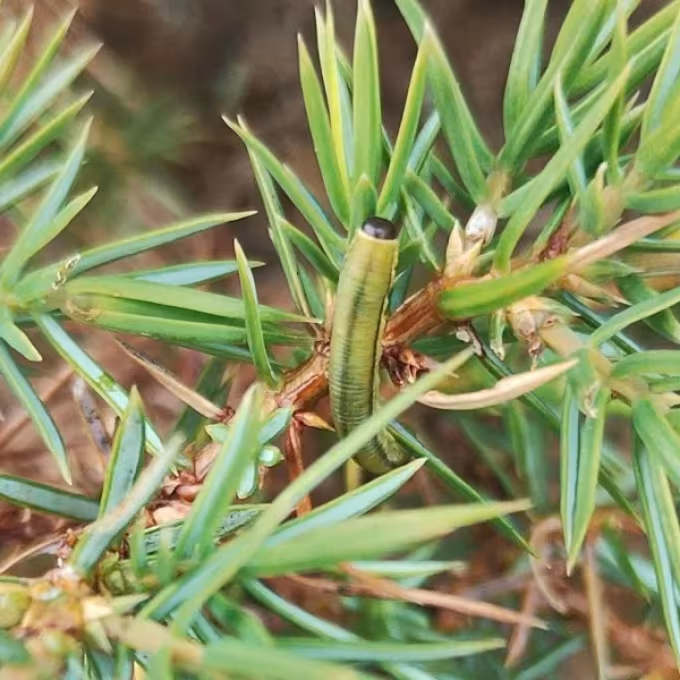
The larvae, often called false caterpillars, are 10–15 mm long. They are greenish with dark longitudinal stripes, allowing them to blend seamlessly into the juniper foliage, making them difficult to detect at a glance.
The larval head capsule is usually brownish. Unlike butterfly larvae, sawfly larvae possess 7–8 pairs of abdominal prolegs, which is a key diagnostic feature used by agronomists to identify the species.
This species is univoltine, meaning it completes only one life cycle generation per year. This predictable cycle is crucial for timing effective pest management strategies.
They overwinter as prepupae in dense cocoons located in the soil or leaf litter beneath the host plant, remaining dormant until spring temperatures trigger their development.
What it damages
The primary hosts for the juniper sawfly are various species of Juniperus, including popular ornamental cultivars. The damage is primarily caused by the feeding activities of the larvae.
Young larvae initially skeletonize the needles, eating only the surface tissues. As they mature, they consume the entire needle, leaving only bare twigs and branches behind.
Severe infestations can lead to significant defoliation, which severely impacts the plant's aesthetic value, growth vigor, and its ability to conduct photosynthesis efficiently.
Plants weakened by heavy sawfly feeding are significantly more susceptible to secondary pests, including bark beetles, which can ultimately cause the death of the shrub or tree.
In nurseries, even moderate infestations can lead to substantial financial losses, as the damaged foliage renders the plants unsalable for the current season.
When it appears
Adult sawflies typically emerge in early spring, usually between April and May, coinciding with the onset of the plant's growth season and the emergence of fresh needles.
Females lay eggs by making small incisions in the needles, typically depositing one egg per needle on current-year growth. Development takes approximately two to three weeks.
Larval activity peaks from late May through June. During this window, larvae feed voraciously, causing the most visible damage to the conifer foliage throughout the season.
By late June, the larvae finish feeding and drop to the ground to pupate in the soil. They remain in the prepupal stage within their cocoons throughout the rest of the year.
Monitoring the emergence of larvae in late spring is critical, as it is the most effective time to apply control measures before significant damage occurs.
Signs of infestation
The first sign of an infestation is the appearance of light-colored spots on the needles, caused by young larvae grazing on the epidermis, which eventually leads to the yellowing of the needles.
The presence of larvae is also marked by small, dark granular excrement, often found clinging to the needles or trapped in light silken threads spun by the larvae.
Visible thinning of the foliage is a major indicator of advanced infestation. As larvae consume more foliage, branches begin to look sparse and stripped, losing their density.
If a tree is heavily infested, one may notice a shower of fallen, yellowed needles beneath the shrub, which is often a result of feeding damage and subsequent drying.
Careful inspection of the inner shoots during June often reveals the larvae, which may remain motionless when disturbed or when feeding along the branches.
Control measures
Cultural control involves tilling the soil beneath the canopy in late autumn or early spring, which helps destroy the overwintering prepupae within their cocoons in the ground.
Manual removal of larvae is a viable option for small home gardens or individual ornamental specimens, provided the infestation is caught early and the density is low.
- Contact insecticides used during the early adult flight stage.
- Systemic insecticides applied once larvae start feeding.
- Biological control using specialized bacteria or entomopathogenic fungi.
Chemical control should be implemented immediately after identifying the presence of young larvae, ensuring thorough coverage of the foliage for maximum effectiveness.
Promoting overall plant health through balanced fertilization and adequate irrigation helps conifers recover from sawfly-induced stress and maintain long-term resistance.
Taxonomy
- Latin name
- Monoctenus juniperi
- Order
- Hymenoptera
- Family
- Diprionidae
- EPPO code
- MOOCJU
Discussion
No discussions yet — be the first.