
Monema flavescens
Monema flavescens
Description
How to identify
Monema flavescens, commonly known as the oriental moth or slug caterpillar, belongs to the family Limacodidae within the order Lepidoptera. The adult moth features a yellowish-brown coloration and a wingspan of approximately 40 to 50 millimeters.
The larvae are highly distinctive, often resembling small slugs. Their bodies are flattened, broad, and vibrant green, decorated with colorful stripes and specialized stinging warts that provide a potent defense against predators.
These stinging hairs contain toxins that cause intense pain, swelling, and dermatitis upon contact with human skin. This unique morphology is a signature characteristic of this species during its larval stage.
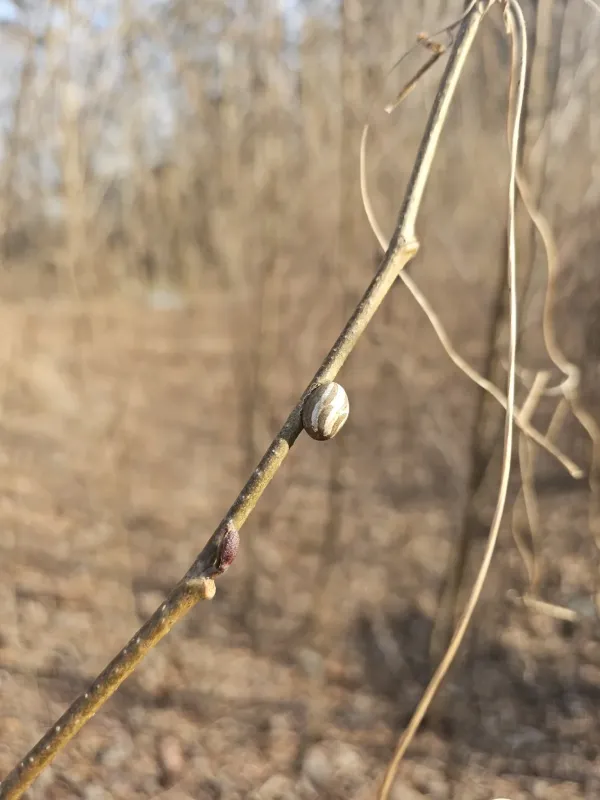
The life cycle involves an overwintering stage as a pre-pupa inside a very tough, rounded, and brownish cocoon attached firmly to tree branches or bark. This cocoon provides excellent protection against environmental stressors.
Emergence typically occurs in early summer, after which adults mate and females deposit eggs on the leaves of host plants, initiating the next generation of this wood-boring and foliage-consuming pest.
What it damages
Monema flavescens is a serious polyphagous pest, capable of infesting a wide range of fruit trees and ornamental shrubs. Its wide host range makes it a consistent threat to diverse agricultural landscapes.
Key host plants include apple, pear, plum, cherry, apricot, and peach trees. Furthermore, it is frequently found on various woody plants like maple, oak, and poplar, as well as on grapevines.
Young larvae feed by skeletonizing the leaf tissues, leaving only the veins intact. As they mature, they become voracious feeders, capable of consuming entire leaves and significantly reducing the plant's photosynthetic capacity.
Heavy infestations lead to premature defoliation, which severely stresses the tree. This damage directly reduces fruit quality and yields and negatively impacts the tree's ability to store reserves for the winter.
Over several seasons, repeated defoliation can weaken the tree's immune system, making it more susceptible to opportunistic fungal infections, bacterial diseases, and physical damage from winter frost.
Signs of infestation
The first signs of infestation are skeletal patterns on leaves, where the soft tissue has been removed. Close inspection of the canopy usually reveals the presence of green, slug-like larvae on the underside of leaves.
The presence of hard, oval-shaped cocoons on twigs during the dormant season is a definitive indicator of the pest's recent activity in the area. These cocoons are often camouflaged and require keen observation to locate.
Affected trees often show signs of overall thinning or scorched appearance in the foliage due to intensive feeding. In extreme cases, complete defoliation of certain branches or sections of the crown is observed.
Gardeners or workers may also notice sudden skin irritation or burning sensations after pruning or handling infected branches, confirming the presence of stinging larvae in the canopy.
Large numbers of larvae may also lead to a noticeable accumulation of frass (larval droppings) beneath the canopy, which can serve as a warning sign during the peak of the feeding season.
Control measures
Mechanical control is highly effective in home gardens; during winter pruning, all observed cocoons should be manually removed and destroyed to significantly reduce the potential population for the following spring.
For active larval control, biological insecticides such as formulations based on Bacillus thuringiensis are recommended, as they effectively target the larvae while sparing beneficial predatory insects.
If population levels exceed economic thresholds, chemical intervention with selective insecticides may be necessary. It is crucial to follow local regulations and harvest interval guidelines when applying these products.
Promoting a healthy orchard environment through proper pruning and thinning helps ensure better sunlight penetration and air circulation, creating an environment that is less favorable for larvae and easier to treat.
Integrated Pest Management (IPM) practices, including the use of pheromone traps to monitor adult flight periods, allow for timely and efficient interventions, minimizing the need for broad-spectrum pesticide applications.
Taxonomy
- Latin name
- Monema flavescens
- Order
- Lepidoptera (butterflies)
- Family
- Limacodidae
- EPPO code
- CNIDFL
Discussion
No discussions yet — be the first.