
Mogoplistes
Mogoplistes
Description
How to identify
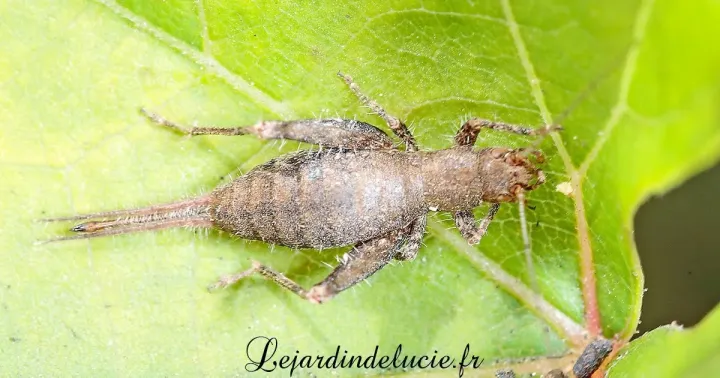
Mogoplistes is a genus within the order Orthoptera and the family Mogoplistidae (scaly crickets). These insects are typically small and characterized by the absence of wings in most species, making them cryptic dwellers of the soil surface.
Their bodies are covered in fine, deciduous scales that easily detach upon contact. This unique feature helps them blend into the soil and detritus, making detection during daylight hours very difficult.
These crickets undergo incomplete metamorphosis, with nymphs appearing as smaller versions of the adults. The lifecycle is highly dependent on humidity levels and soil temperature, which dictate the rate of development.
They are primarily nocturnal insects, spending their days hidden in soil cracks, under plant debris, or in sheltered areas near the base of vegetation.
Their sensory organs are highly attuned to ground vibrations, allowing them to retreat quickly into deep soil crevices or thick cover when they detect potential predators or disturbance.
What it damages
Mogoplistes species are polyphagous pests, capable of feeding on a wide variety of field crops, vegetables, and ornamental plants. They are particularly destructive during the early stages of plant establishment.
They feed on the delicate tissues of seedlings, including stems and cotyledons. In severe cases, this feeding can lead to the death of the plant, resulting in patchy stands and significant yield loss.
The damage to the root collar and lower stem disrupts the plant's ability to transport water and nutrients efficiently, causing the plant to wither and stunt in its growth.
Beyond the direct removal of plant tissue, the injuries sustained by the plants often serve as entry points for various soil-borne pathogens, leading to secondary fungal or bacterial infections.
Under drought conditions, when green vegetation is scarce, these insects tend to concentrate their feeding on healthy crops, exacerbating the economic impact on the harvest.
When it appears
The activity of Mogoplistes peaks during the spring and early summer months, coinciding with the germination and early growth phases of many common agricultural crops.
Nymphs emerge as temperatures rise, and their feeding activity increases as they move through their developmental stages towards adulthood.
As the season progresses, adult populations can maintain themselves in the field as long as there is sufficient soil moisture and organic cover for protection.
During late autumn and winter, the insects enter a period of dormancy or seek shelter deep in the soil, effectively surviving until the return of warmer weather conditions.
The severity of an infestation in any given year is closely linked to the local climate, particularly the availability of moisture, which is critical for their reproduction and survival.
Signs of infestation
The first indicator of an infestation is the appearance of irregular, small nibbles on leaves and stems, which often go unnoticed until significant damage has occurred.
Thinning of the crop stand and the presence of small, characteristic droppings near the base of the plants are reliable signs of their presence in the field.
During the night, using a flashlight in affected areas may reveal the crickets moving near the base of the plants, providing a clear visual confirmation of the pest.
An accumulation of shed scales around the base of the stems serves as a diagnostic sign that the insects have been actively feeding in that specific area.
Plants affected by the pest often show signs of wilting and necrosis at the injury site, followed by a noticeable decline in overall vigor compared to unaffected plants.
Control measures
Effective management begins with good agricultural practices, such as the removal of weeds and debris that serve as harborages for the pests during the off-season.
Deep tillage or mechanical soil cultivation is an effective method to disrupt the crickets' habitat and expose them to unfavorable surface conditions or natural predators.
Crop rotation is essential to break the life cycle of the pest, especially in regions where Mogoplistes populations have historically caused economic damage.
In cases of high pest pressure, chemical control may be necessary, involving the application of granular insecticides to the soil or bait formulations to target the crickets.
- Regular monitoring of crop fields at night.
- Elimination of field edge vegetation and weeds.
- Proper seedbed preparation to discourage pest activity.
- Targeted application of insecticides during vulnerable plant stages.
Taxonomy
- Latin name
- Mogoplistes
- Order
- Orthoptera (locusts)
- Family
- Mogoplistidae
- EPPO code
- MOGOSP
Discussion
No discussions yet — be the first.