
Arachnocephalus
Arachnocephalus
Description
How to identify
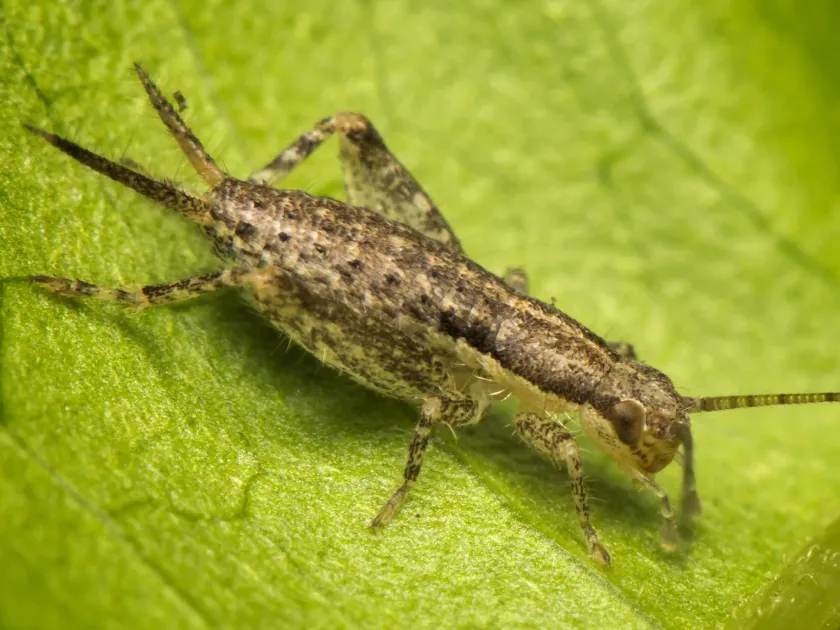
Arachnocephalus is a genus of insects belonging to the order Orthoptera and the family Gryllidae (crickets). These insects are known for their relatively elusive behavior within agricultural landscapes.
Adult insects exhibit morphological features characteristic of the Gryllidae family, yet they possess distinct structural differences in their head and wings that differentiate this genus from others.
Their coloration is typically cryptic, ranging from light brown to grey, which provides effective camouflage amidst plant debris and topsoil layers.
Nymphs resemble the adults but lack developed wings and are smaller in body size, undergoing several developmental instars before reaching maturity.
Arachnocephalus species are predominantly nocturnal or crepuscular, making them difficult to detect during standard daylight scouting missions without specialized traps.
What it damages
This pest is capable of damaging a diverse range of crops, including cereals, legumes, and various ornamental plants found within their geographical range.
Primary damage occurs through the consumption of leaf tissue, young shoots, and plant buds, which hampers the growth rate and overall vigor of the affected vegetation.
During periods of population outbreaks, the pest can cause significant damage to commercial yields, affecting both the quality and quantity of the harvest.
Beyond mechanical damage, the presence of these insects can weaken the plant's natural defenses, making it more susceptible to secondary fungal or bacterial infections.
Severe infestation of the growing points can result in stunted growth, thinning of crop stands, and in extreme cases, the total loss of individual plants.
When it appears
The lifecycle of Arachnocephalus is closely tied to local climatic conditions, with peak activity typically occurring throughout the mid-to-late growing season.
Periods of warm and humid weather provide the most favorable environment for their feeding activity and the successful reproduction of the population.
They generally overwinter as eggs or early-stage nymphs, taking refuge in the upper soil layers or beneath dense plant residues to survive cold spells.
As temperatures rise in the spring, nymphs emerge from their overwintering sites and begin to feed actively on available green tissues.
Population densities often reach their maximum potential by mid-summer, coinciding with the rapid vegetative growth stages of many agricultural crops.
Signs of infestation
The first signs of infestation are irregular, ragged holes in the leaf blades caused by the feeding activities of both nymphs and adults.
Nighttime field inspections using flashlights can reveal the presence of insects directly on the foliage or stems, confirming active infestations.
The presence of insect frass (droppings) on the soil surface beneath the crop canopy is another key indicator of their nocturnal feeding habits.
Visible wilting or deformation of terminal shoots indicates that the pest has been targeting the most succulent and nutrient-dense parts of the plant.
Heavy infestations lead to widespread yellowing and necrosis of leaves, which significantly decreases the overall photosynthetic capacity of the plant stand.
Control measures
Effective management begins with robust crop rotation practices and proper soil cultivation techniques that disrupt the life cycle of the pest.
Sanitation measures, including the destruction of weeds and volunteer plants, are essential for removing secondary food sources and shelters.
Biological control strategies, such as the application of entomopathogenic fungi or the encouragement of local predators, help maintain population stability.
If economic thresholds are exceeded, targeted use of insecticides labeled for orthopteran control may be necessary to prevent significant yield losses.
- Monitoring population levels with sticky or light traps.
- Deep tillage following harvest to bury eggs and larvae.
- Choosing planting dates to avoid high-activity periods.
Taxonomy
- Latin name
- Arachnocephalus
- Order
- Orthoptera (locusts)
- Family
- Mogoplistidae
- EPPO code
- ARKPSP
Discussion
No discussions yet — be the first.