
Arachnocephalus vestitus
Arachnocephalus vestitus
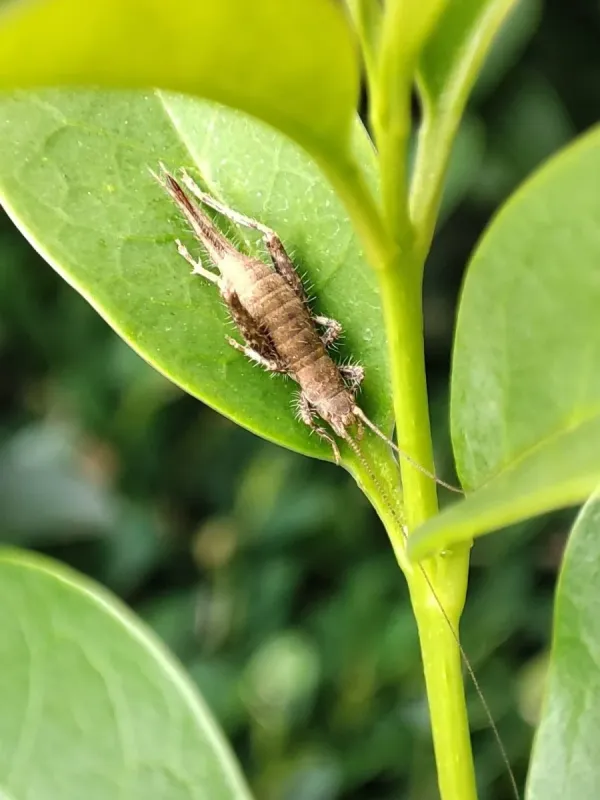
Description
How to identify
Arachnocephalus vestitus is a species of insect belonging to the order Orthoptera and the family Myrmecophilidae. It is a small, elusive pest that is often overlooked in field inspections due to its small size and tendency to inhabit hidden niches near the soil surface.
The species is named for its distinctive "furry" appearance, caused by dense pubescence covering its body. This morphological trait helps the insect blend into leaf litter and soil, providing an excellent camouflage against natural predators and human observation.
Adult insects are small and may resemble other common soil-dwelling arthropods, making professional identification vital for determining the correct management strategy in agricultural settings.
They are primarily found in moist, shaded environments, often concentrating in the root zones of plants where they can access steady nourishment and shelter from adverse weather conditions.
Agronomists should use hand lenses or stereo microscopes for confirmation, focusing on the specific morphological characteristics of the head and leg structure that differentiate this genus from other related species.
What it damages
Arachnocephalus vestitus can cause significant economic losses by feeding on the tissues of various field and horticultural crops, primarily affecting the stem and root collar.
By consuming plant tissue, the pest creates small lesions that facilitate the entry of soil-borne pathogens, such as fungi and bacteria, which can lead to more severe systemic infections in the crop.
In cases of heavy infestation, the cumulative damage to the plant's vascular system leads to stunted growth, reduced nutrient uptake, and, in severe cases, the death of young seedlings.
The pest is particularly harmful in dense stands where the microclimate is humid and stagnant, allowing the insect population to thrive and spread rapidly across the field.
Yield reduction is observed as a result of poor development and structural weakness of the plants, which reduces their ability to reach full maturity or survive under stress conditions.
When it appears
The activity of Arachnocephalus vestitus is highly dependent on seasonal temperature cycles and humidity levels. Activity typically resumes in early spring once soil temperatures reach a threshold for insect emergence.
Population density peaks during the middle of the summer when optimal warm and humid conditions enable high rates of feeding and reproduction among the nymphs and adults.
As temperatures drop in the autumn, the insects retreat into deeper soil layers or move under dense plant residue to enter a state of dormancy, which acts as a protective mechanism for overwintering.
Regular scouting is recommended after rainy periods, as soil moisture serves as a critical driver for the surface activity of this pest, making them more visible and vulnerable to control measures.
Understanding the life cycle, including nymphal stages, allows agronomists to time control measures effectively, specifically targeting the period before the population reaches an economic threshold.
Signs of infestation
Field diagnosis often relies on detecting physical damage to the base of the plant stem, which often appears as small, irregular grazing or necrotic spots on the surface.
An early warning sign is localized wilting of plants, which occurs even when soil moisture is adequate, indicating that the vascular function of the plant has been compromised.
The presence of fine waste matter or debris around the base of the stem is a strong indicator of an active population of Arachnocephalus vestitus inhabiting the immediate vicinity.
In addition to direct feeding damage, observing the deformation of young foliage and the general loss of vigor in specific patches of the field can signal an infestation.
- Necrotic lesions at the root collar.
- Unexpected wilting of crops in healthy soil.
- Presence of fine insect waste near the base.
Control measures
Management of Arachnocephalus vestitus requires an integrated approach that focuses on habitat modification and chemical interventions when necessary.
Effective weed management is essential, as many weed species act as alternative hosts and reservoirs for this pest during the periods between crop cycles.
Cultural practices, such as deep plowing and crop rotation, are highly effective in disrupting the insect's life cycle by destroying their overwintering sites and reducing the population density in the soil.
When populations exceed the economic threshold, systemic and contact insecticides can be applied; however, timing is critical to ensure coverage of the insects at the base of the plants.
Biological control strategies, including the use of specialized entomopathogenic agents, provide a sustainable option for reducing pest pressure without relying solely on synthetic chemical inputs.
Taxonomy
- Latin name
- Arachnocephalus vestitus
- Order
- Orthoptera (locusts)
- Family
- Mogoplistidae
- EPPO code
- ARKPVE
Discussion
No discussions yet — be the first.