
Microhodotermes
Microhodotermes
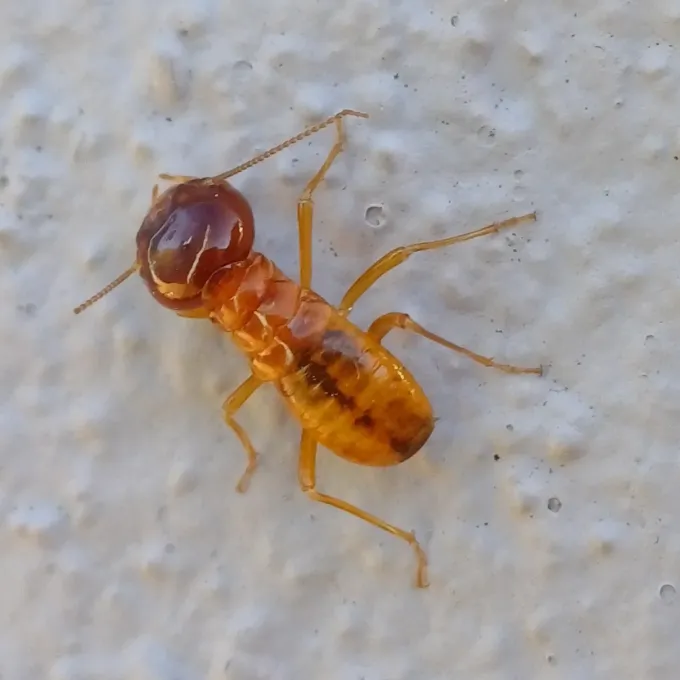
Description
How to identify
Microhodotermes is a genus of termites belonging to the family Hodotermitidae. These social insects are highly adapted to arid and semi-arid environments, building extensive underground nest systems.
The colony structure is complex, comprising castes of workers, soldiers, and reproductives, each specialized for specific tasks within the colony's survival strategy.
Workers are characterized by robust mandibles designed for foraging and processing tough cellulose-based materials found in the soil or on the surface.
They are generally pale or yellowish in color, which is typical for soil-dwelling termites. Their biology centers on moisture regulation and avoiding direct exposure to environmental extremes.
Colonies are master architects, modifying soil structures to create tunnels that provide protection while allowing for foraging excursions during cooler or darker parts of the day.
What it damages
This pest is a significant threat to various agricultural crops, particularly cereals like wheat, barley, and maize, especially in sub-Saharan African regions.
The damage is primarily caused by workers feeding on the roots and underground stems of seedlings, leading to rapid wilting and the total loss of individual plants.
In addition to live crops, Microhodotermes consumes surface mulch and plant residues, which can degrade soil health and reduce overall agricultural productivity.
Infestations are often sporadic but can lead to large patches of destroyed crops, as the colony expands its foraging area to satisfy its nutritional requirements.
Stored agricultural products, such as hay or stacked grains, are also highly susceptible to attack if stored directly on the ground in infested areas.
When it appears
The activity of Microhodotermes is heavily influenced by soil moisture and temperature fluctuations, with the highest levels of damage observed during dry seasons.
They typically forage during the night or early morning hours to minimize water loss, retreating into deeper soil layers during the heat of the day.
Reproductive flights often occur shortly after the first rains of the season, which triggers the founding of new colonies across the landscape.
During the peak of the dry season, the lack of natural forage forces these termites to rely more heavily on agricultural crops for survival.
Monitoring efforts should be intensified during post-harvest or pre-planting periods to identify active mounds or tunnel networks before they affect sensitive crops.
Signs of infestation
The presence of subterranean tunnels, often visible as small soil ridges or tubes at the base of plants, is a primary indicator of an infestation.
Affected plants often display signs of physiological stress, such as sudden wilting, followed by yellowing and eventual death of the entire plant.
- Small soil pellets (frass) visible near the base of the plant.
- Hollowed-out root systems that look chewed or shredded.
- Large, expanding bare patches in an otherwise healthy field.
Excavating the soil around a recently wilted plant usually reveals the presence of workers, confirming the source of the structural damage.
In drier conditions, termites may seal off their galleries with soil, creating noticeable localized mounds or hardened crusts on the surface.
Control measures
Deep mechanical tillage is a primary control method, as it disrupts termite tunnels, destroys mounds, and exposes the insects to predators and environmental stress.
Chemical control involving soil-applied insecticides can provide temporary protection, but it must be targeted accurately to reach the active zones of the colony.
Biological control using entomopathogenic fungi, such as Metarhizium or Beauveria species, offers an environmentally friendly alternative to traditional pesticides.
The use of slow-acting toxic baits is highly effective, as foragers carry the poison back to the colony, eventually affecting the queen and leading to colony collapse.
Implementing effective crop rotation and removing excessive plant litter reduces the availability of secondary food sources, making the field less attractive to colonizing termites.
Taxonomy
- Latin name
- Microhodotermes
- Family
- Termitidae
- EPPO code
- MHODSP
Discussion
No discussions yet — be the first.