
Microcerotermes losbanosensis
Microcerotermes losbanosensis
Description
How to identify
Microcerotermes losbanosensis is a species of termite belonging to the family Termitidae. It is a highly social insect with a caste system consisting of workers, soldiers, and reproductives.
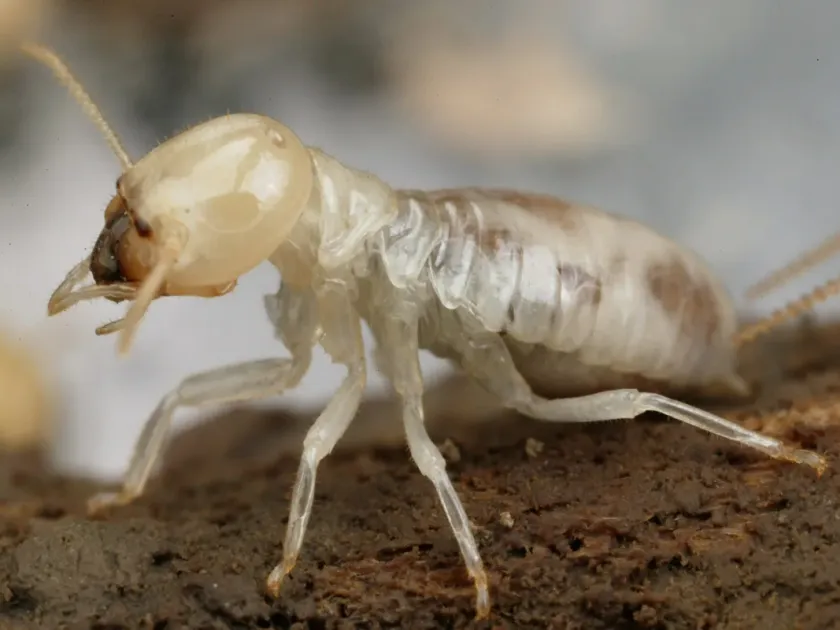
The soldier caste is the most useful for identification, characterized by a distinct rectangular, dark-pigmented head and powerful, sharp mandibles.
Worker termites are smaller, pale, and blind, spending their entire lives within the colony's tunnel networks or inside the wood they are consuming.
Entomologists distinguish this species from others by examining the ratio of the head capsule width to the shape of the mandibles during microscopy.
Colonies build elaborate nests, often incorporating soil and fecal material into protective structures that serve as both a shelter and a nursery.
What it damages
This species is a significant pest in tropical agriculture, particularly affecting coconut palms and various fruit-bearing woody species.
The termites bore into the trunk of trees, destroying the structural integrity and often leading to the death of the host plant due to the disruption of water and nutrient transport.
In addition to live crops, the insects aggressively attack deadwood, timber structures, and wooden supports used in horticulture, causing severe infrastructure damage.
Nursery plants are particularly vulnerable, as termites can feed on the root systems, leading to rapid wilting and failure of young plantations.
The accumulation of termite damage can lead to the collapse of trees during storms, posing a safety risk in managed plantations and parks.
When it appears
As a tropical termite, Microcerotermes losbanosensis is active throughout the year, with no seasonal diapause or dormancy periods.
The population growth rate is consistent as long as there is an adequate moisture supply and a steady source of cellulose-based food.
Swarming events, where winged reproductives leave the nest to start new colonies, occur most frequently during the onset of the rainy season.
Humidity is a critical factor for their survival; therefore, peak activity is often observed when soil moisture levels are optimal for tunnel construction.
Constant monitoring is necessary, as colonies can expand their foraging galleries continuously regardless of the time of year.
Signs of infestation
The most visible indicator of infestation is the presence of earthen mud tubes constructed over the bark of trees or the surfaces of wooden buildings.
These tubes protect the termites from predators and dehydration as they move between the colony and their food sources.
Small holes or fecal pellets packed in wood crevices are common signs that the interior of the wood has been compromised by termite feeding.
A hollow sound upon tapping the trunk of a palm or fruit tree is a strong diagnostic sign that the wood has been hollowed out from the inside.
Plants showing sudden yellowing or death often harbor active termite galleries at the base of the stem or within the root zone.
Control measures
Effective management begins with strict sanitation, including the removal of stumps, debris, and fallen logs that serve as reservoirs for termite colonies.
Chemical barrier treatments, using termiticides in the soil around the base of trees, provide a reliable defense against foraging worker termites.
Baiting systems containing slow-acting insect growth regulators are highly effective, as they are carried back to the nest to eliminate the colony's queen.
Protecting wooden structures requires professional-grade preservatives that make the cellulose indigestible or toxic to the termite colony.
- Installation of monitoring stations with wooden stakes to detect activity.
- Utilization of entomopathogenic fungi as a biological control agent.
- Ensuring wooden supports for plants are treated and insulated from the soil.
Taxonomy
- Latin name
- Microcerotermes losbanosensis
- Family
- Termitidae
- EPPO code
- MCRTLO
Discussion
No discussions yet — be the first.