
Polar grasshopper
Melanoplus frigidus
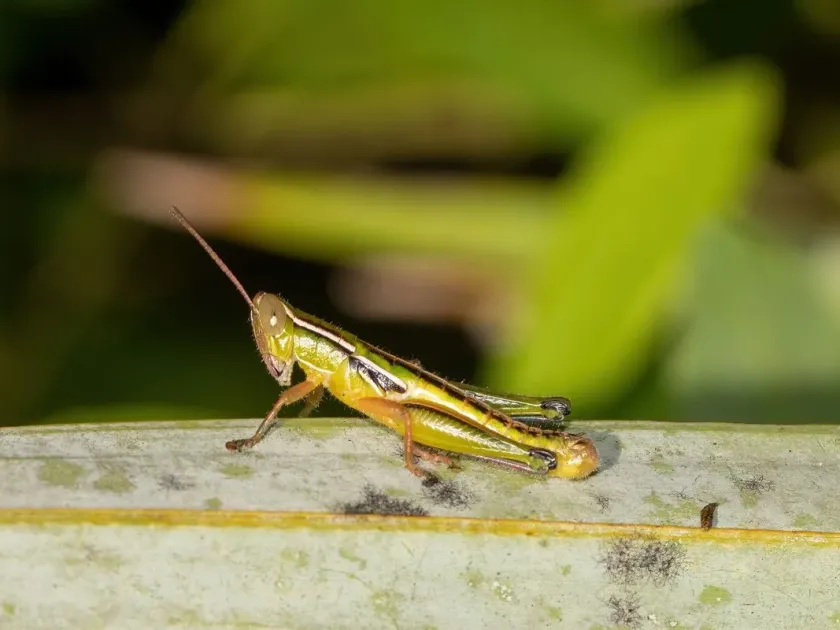
Description
How to identify
The Polar grasshopper, scientifically known as Melanoplus frigidus, is a member of the Acrididae family within the Orthoptera order. This species is highly adapted to the harsh, cold environments of northern latitudes, characterized by a robust exoskeleton and cryptic coloration.
Adult grasshoppers typically measure between 15 and 25 mm in length. Their coloration ranges from greyish-brown to olive, allowing them to blend seamlessly with the tundra soil and dry vegetation, providing excellent camouflage against avian predators.
Identification is primarily based on the morphology of male genitalia and the structure of the female ovipositor. They possess short, thread-like antennae, which is a diagnostic feature of the Melanoplinae subfamily to which this species belongs.
Their life cycle involves incomplete metamorphosis, meaning the nymphs resemble miniature, wingless adults. They undergo several molting stages, gradually developing wing pads until they reach sexual maturity as adults.
Eggs are laid in specialized soil structures called egg pods. These pods are designed to withstand extreme cold and moisture, protecting the embryos throughout the long winter season.
What it damages
Damage is caused by both late-stage nymphs and adults, as they possess well-developed chewing mouthparts. They are known polyphagous feeders, capable of consuming a wide variety of plant species.
In northern agricultural regions, they primarily target grasses, forage crops, and spring cereals. When population densities are high, they can cause significant yield loss in grazing lands and cereal fields.
The primary form of damage involves the consumption of leaf tissue and succulent stems. This defoliation reduces the plant's photosynthetic capacity, leading to weakened growth and reduced biomass production.
Beyond direct consumption, the feeding process creates entry points for various pathogens, including fungi and bacteria, which can further jeopardize the overall health and quality of the crop.
In regions where the growing season is short, the Polar grasshopper's rapid consumption can be particularly devastating, as crops have little time to recover from such intense herbivory.
When it appears
The life cycle of the Polar grasshopper is synchronized with the short growing season of northern environments. They spend the winter in the egg stage, safely buried within the soil.
Nymphs typically emerge in late spring or early summer, depending on soil temperature. This timing ensures that young grasshoppers have access to fresh, palatable vegetation as soon as it begins to sprout.
Adults reach their peak activity in mid-summer. During this time, they engage in intense feeding to acquire the energy necessary for reproduction and the development of the next generation.
Late summer marks the period for mating and oviposition. Females deposit their egg pods in sheltered, well-drained soil, ensuring the eggs remain stable until the following spring thaw.
The species completes one generation per year. As autumn temperatures drop, the metabolic activity ceases, and the population enters diapause to survive the upcoming winter months.
Signs of infestation
The earliest signs of infestation include small, irregular holes in the leaves of host plants. As the grasshoppers grow, these holes expand into larger, tattered leaf margins.
Infestations are often noticed by observing the lower canopy of the vegetation. During cooler parts of the day, nymphs can be found resting on or near the ground, moving to feed as temperatures rise.
The presence of grasshopper frass (excrement) on leaves and around the base of the plants is a clear indicator of a resident population that has been actively feeding in the area.
- Visible holes or ragged leaf edges on crops and grasses.
- Patches of thin or damaged vegetation in fields or pastures.
- Increased bird activity in areas where grasshoppers are concentrated.
During warm and sunny days, the grasshoppers become highly active, often jumping when disturbed, making their presence obvious to anyone walking through the affected area.
Control measures
Cultural practices, such as deep autumn tillage, are highly effective as they disturb the soil and destroy egg pods, exposing them to freezing temperatures and surface predators.
Crop rotation is another vital strategy. By switching from susceptible crops to non-host varieties, farmers can disrupt the life cycle of the grasshoppers and reduce the likelihood of population surges.
When populations exceed economic thresholds, the application of registered insecticides is necessary to prevent significant crop damage. These treatments should be timed for early nymph stages.
Biological control, including the protection of natural predators like spiders, ground beetles, and birds, can help suppress grasshopper numbers in managed agricultural systems.
Frequent field scouting and monitoring are essential. Early detection allows for targeted management interventions, which minimize the need for broad-spectrum insecticide applications.
Taxonomy
- Latin name
- Melanoplus frigidus
- Order
- Orthoptera (locusts)
- Family
- Acrididae
- EPPO code
- MENPFR
Discussion
No discussions yet — be the first.