
Ground pearl
Margarodes prieskaensis
Description
How to identify
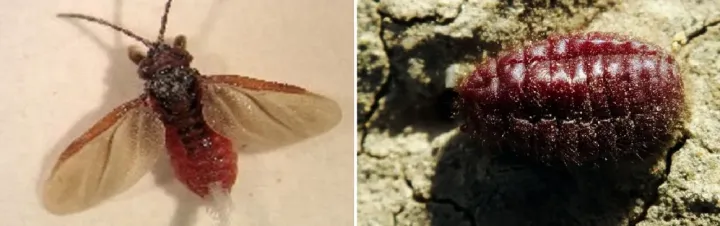
The ground pearl is a member of the Margarodidae family within the Hemiptera order. Its name is derived from the encysted stage, where the insect resembles a small, shiny pearl.
Adult females are subterranean, oval-shaped, and often covered in a waxy secretion that protects them from environmental extremes and desiccation.
Males are rarely encountered in the field; they are winged and exist primarily to locate and fertilize the sedentary females, playing a limited role in the pest's longevity.
The most resilient stage is the cyst, which allows the insect to remain dormant in the soil for several years, waiting for favorable conditions or a host plant.
These cysts are found attached to the roots of host plants, ranging in color from cream to a deep golden-brown, blending in seamlessly with soil particles.
What it damages
This pest primarily attacks grapevines, though it can also infest a variety of other woody ornamental plants and perennial crops in vineyard landscapes.
By inserting their mouthparts into the roots, the insects feed on plant sap, significantly depriving the host of essential nutrients and water.
The damage is most severe in well-drained, sandy soils where the movement of immature stages through the soil profile is relatively unobstructed.
Root damage caused by feeding often leads to secondary infections by soil pathogens, which further compromises the vitality of the entire plant structure.
Heavy infestations result in a gradual decline of the vine, characterized by stunted growth, reduced yields, and eventually the death of the entire plant.
When it appears
The life cycle of the ground pearl is highly synchronized with the seasonal growth cycles of the host plants, particularly the active root growth periods.
In spring, as temperatures rise and root activity begins, immature stages emerge from their cysts to feed, making them slightly more susceptible to monitoring.
During the peak of summer heat or when soil moisture is insufficient, the insects revert to the encysted state to survive until conditions improve.
Autumn may see a brief period of renewed activity depending on soil temperature and moisture levels, before the population enters overwintering.
The timing of adult emergence and egg-laying is generally specific to regional climatic patterns and can vary significantly from one year to the next.
Signs of infestation
Detection is notoriously difficult because the pest spends almost its entire life cycle beneath the soil surface, far from the reach of visual inspection.
Growers often notice the presence of ground pearls only after observing patches of declining vines that fail to respond to standard fertilization or irrigation.
Stunting of new shoots, leaf chlorosis, and general lack of vigor are the classic above-ground indicators of an extensive underground infestation.
Excavating the root system reveals the tell-tale presence of encysted insects attached to the fine root hairs or main structural roots of the vine.
- Patches of weakened or stunted vines
- Leaf yellowing and nutrient deficiency symptoms
- Golden, pearl-like cysts on roots
- Decreased fruit set and overall vine longevity
Control measures
Managing ground pearls is challenging because the encysted stages are highly resistant to standard soil-applied pesticides and fumigants.
The most effective strategy is the implementation of strict quarantine measures to prevent the introduction of infested soil or plant material to clean fields.
Systemic insecticides may provide temporary relief, but they must be timed precisely with the periods of crawler activity to have any significant impact.
Cultural practices, such as maintaining optimal vine health through balanced fertilization and appropriate irrigation, can help plants tolerate low-level infestations.
In cases of severe infestation, removal of the entire affected root system is often required, followed by long-term fallowing or the use of non-host rotational crops.
Taxonomy
- Latin name
- Margarodes prieskaensis
- Order
- Hemiptera (bugs, aphids, leafhoppers)
- Family
- Margarodidae
- EPPO code
- MARGPR
Discussion
No discussions yet — be the first.