
Southern ground pearl
Margarodes australis
Description
How to identify
The Southern ground pearl (Margarodes australis) belongs to the family Margarodidae. It is a specialized, soil-dwelling insect known for its unique life cycle and parasitic habits.
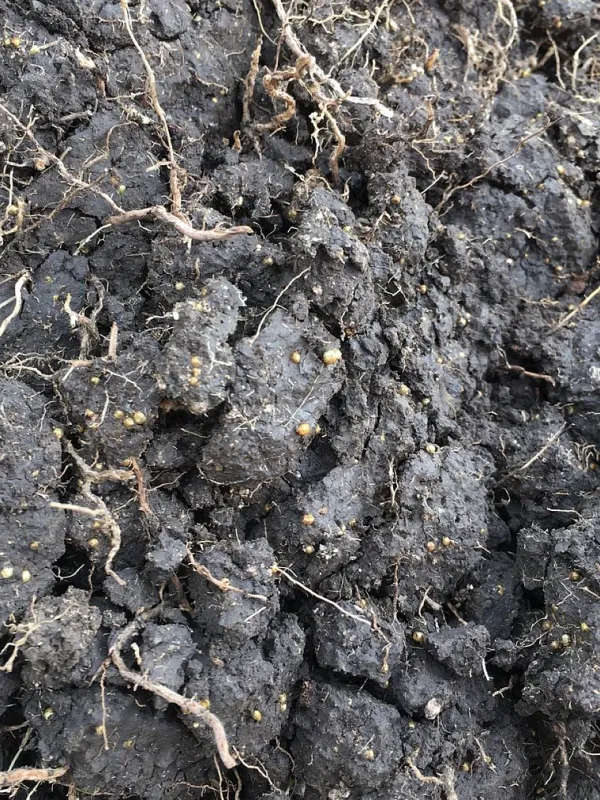
The most distinctive stage is the cyst, which looks like a small, shiny, golden or yellowish pearl. These cysts are highly resistant to environmental stressors and can survive in the soil for extended periods.
The life cycle consists of eggs, mobile first-instar nymphs, stationary cysts, and adult females. Females possess robust legs designed for digging through the soil profile.
Adult females are typically yellowish-brown and segmented. Because they spend almost their entire lives underground, they are rarely seen by vineyard managers unless specifically searched for.
These insects are highly adapted to arid and semi-arid conditions, allowing them to remain in a state of diapause within their protective shells for several years.
What it damages
The primary host for this pest is the grapevine. Nymphs and adults attach themselves to the root system, using their piercing-sucking mouthparts to feed on plant sap.
Besides grapevines, they may infest various weeds found in the vineyard, which act as alternative hosts and reservoirs for the pest population.
Feeding damage causes significant stress to the host plant by depleting its water and nutrient reserves. This leads to reduced vigor and structural decline of the root system.
Over time, infested vines show symptoms of chronic decline, which manifests in poor shoot growth, lower fruit yields, and reduced quality of the harvest.
In cases of severe infestation, the root system can be so damaged that the entire grapevine eventually dies, necessitating the removal and replanting of the vines.
Signs of infestation
The early symptoms of infestation include general chlorosis of the foliage and an overall weak appearance of the grapevine during the growing season.
Growth of new canes is stunted. Infested plants may show significant delays in bud break compared to healthy plants in the same vineyard block.
Visual inspection of the roots is the most reliable method for identification. Cysts are usually found firmly attached to the root bark of the grapevine.
Vineyards with established populations often display patches of unhealthy, struggling vines that fail to respond to standard fertilization and irrigation practices.
Reduced berry size and lower sugar accumulation in the fruit are consistent signs that the vine's vascular system has been compromised by the feeding of the ground pearls.
Control measures
Management is challenging due to the protective nature of the cyst stage. Prevention through the use of clean, certified planting stock is the most effective strategy.
Quarantine measures are essential to prevent the spread of the pest via soil or contaminated machinery from infested sites to clean ones.
Maintaining high soil fertility and optimal irrigation can help mitigate the impact of the pest by encouraging root regeneration and overall vine health.
Chemical control options are limited and generally target the mobile first-instar nymphs. Successful treatment requires precise timing based on the local insect phenology.
Integrated Pest Management (IPM) practices, including the regular monitoring of root health, are necessary to detect outbreaks early and prevent widespread damage across the vineyard.
Taxonomy
- Latin name
- Margarodes australis
- Order
- Hemiptera (bugs, aphids, leafhoppers)
- Family
- Margarodidae
- EPPO code
- MARGAS
Discussion
No discussions yet — be the first.