
Tiger moth (Malacosoma tigris)
Malacosoma tigris
Description
How to identify
The Tiger moth (Malacosoma tigris) is a member of the Lasiocampidae family within the order Lepidoptera. Adult moths are medium-sized, characterized by a stout, hairy body and brown to yellowish-brown wings marked with transverse bands.
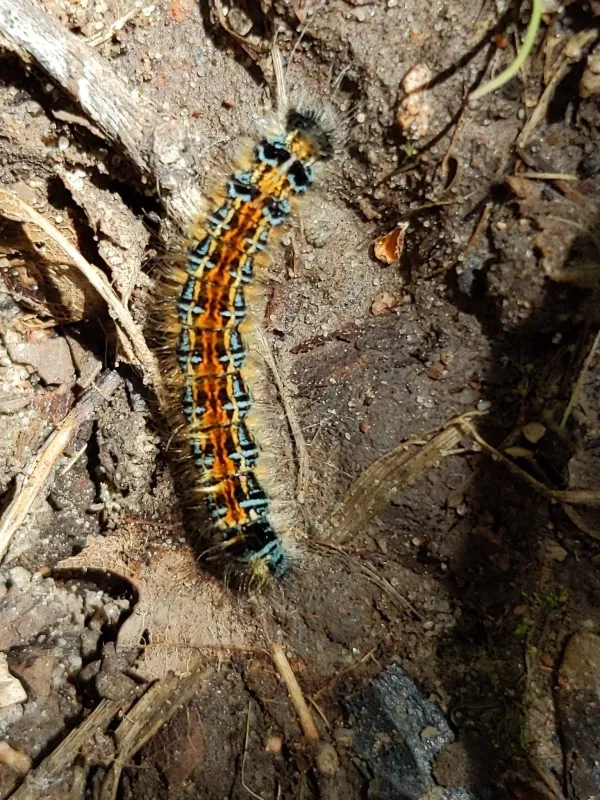
The larvae, known as caterpillars, are recognized by their distinct striped appearance, which gives the species its common name. Their bodies are covered in dense, setae (hairs) that are often brightly colored in patterns that resemble a tiger’s stripes.
This species typically undergoes a single generation per year, completing its life cycle through the stages of egg, larva, pupa, and adult moth. The lifecycle is synchronized with the phenology of their host plants.
Pupation occurs within firm, silk-woven cocoons. These cocoons are typically constructed in hidden locations, such as folded leaves or the crevices of tree bark, providing protection from environmental stressors and predators.
Overwintering occurs at the egg stage. The female moth deposits eggs in compact, ring-like masses around thin twigs, cementing them with a specialized secretion that protects them from extreme cold.
What it damages
The Tiger moth is a polyphagous pest, meaning it feeds on a variety of plant species. It particularly targets woody deciduous plants, including a wide range of fruit-bearing trees.
Key host plants include apple (Malus), pear (Pyrus), plum (Prunus domestica), and other stone fruit varieties like apricot and cherry. In some instances, it may also infest hardwood trees like oaks.
Larval feeding begins early in the season, aligning with bud break. The caterpillars consume emerging buds, which can lead to the complete loss of potential fruit yield before the growing season is fully underway.
As they develop, the larvae consume leaf tissue, often causing significant defoliation. A heavy infestation can leave branches nearly bare, severely weakening the tree and hindering its ability to store energy for the next year.
The resulting stress on the tree makes it more susceptible to secondary infections by pathogens and environmental hazards like drought or severe winter freezes.
Signs of infestation
A primary diagnostic sign of a Tiger moth infestation is the presence of webbed nests. Caterpillars often cluster together, tying leaves with silk to form communal shelters where they rest and feed.
During the dormant winter season, scouting for egg masses on twigs is the most effective way to detect the pest's presence before the larvae hatch in the spring.
Evidence of feeding includes ragged holes in the leaves or entire leaves being consumed down to the midrib. In severe cases, the entire canopy may look thin or skeletonized.
Frass (caterpillar excrement) accumulating on leaves or the ground beneath the tree serves as a clear indicator of active larval feeding and development within the canopy.
Additionally, the premature dropping of buds or damaged leaves often signals that caterpillars are present in the upper foliage, where they are harder to observe directly.
Control measures
Mechanical control is highly effective in small-scale orchards. This involves pruning and destroying infested twigs containing egg masses during the winter months before hatching occurs.
During the spring, manually removing and destroying the silken larval nests can significantly reduce the caterpillar population and limit the spread of the damage.
Biological control agents, such as microbial insecticides containing Bacillus thuringiensis, are highly recommended. These are effective against caterpillars while remaining safe for beneficial insects and pollinators.
Chemical intervention should be reserved for high-density infestations. If necessary, apply approved insecticides at the earliest larval stages, ensuring compliance with local regulations regarding harvest intervals.
Promoting a healthy ecosystem by encouraging native birds and parasitic wasps helps maintain natural equilibrium, often keeping pest populations below the economic injury level.
Taxonomy
- Latin name
- Malacosoma tigris
- Order
- Lepidoptera (butterflies)
- Family
- Lasiocampidae
- EPPO code
- MALATI
Discussion
No discussions yet — be the first.