
Lappet Moth
Macrothylacia
Description
How to identify
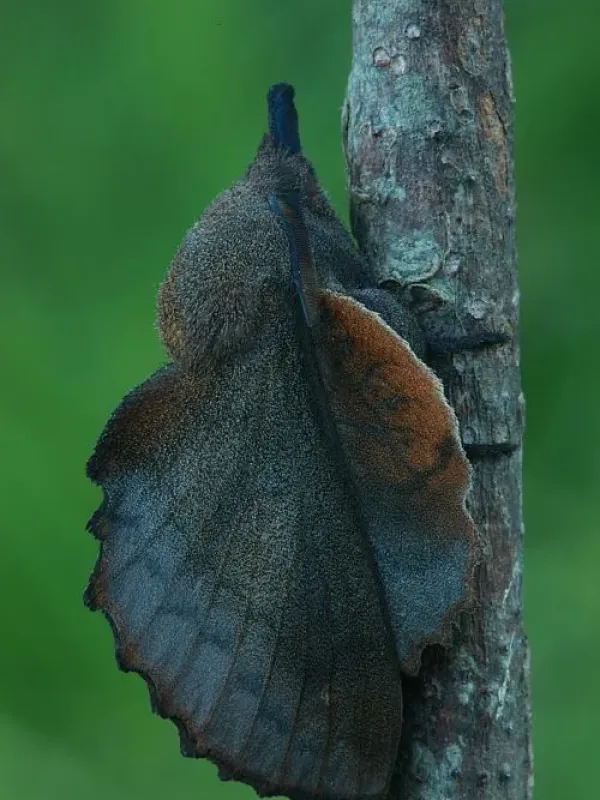
The Lappet Moth (Gastropacha quercifolia) is a member of the Lasiocampidae family. The adult moth is large, with a wingspan of 50–90 mm, featuring a rusty-brown color and a unique shape that makes it resemble a withered leaf when at rest.
The larvae, known as caterpillars, can grow up to 10 cm in length. They are characterized by a grayish-brown color that mimics tree bark, and they have a distinct dark blue or black band on the third thoracic segment, visible when they are moving.
The species completes one generation per year. Larvae in the second or third instar are responsible for overwintering; they hibernate in bark crevices, forks of branches, or among fallen leaves to withstand winter temperatures.
In spring, as temperatures rise, the caterpillars emerge from hibernation and begin feeding on buds and young foliage. Their development continues through the spring as they undergo several molts before reaching maturity.
Pupation occurs in late spring or early summer. The pupa is protected by a dense, gray, spindle-shaped cocoon typically attached to branches. Adult moths emerge in mid-summer, mate, and lay eggs on the undersides of host plant leaves.
What it damages
This species is polyphagous, meaning it feeds on a wide range of host plants. The primary targets include fruit-bearing trees such as apple, pear, plum, cherry, and apricot, which are essential for commercial and home orchards.
Besides fruit trees, the Lappet Moth also targets various forest and ornamental species. Common hosts include oak, birch, willow, hawthorn, and poplar trees, often found in parks and woodlands.
The damage is caused by the caterpillars, which consume large quantities of leaf tissue. This significantly impairs the tree's ability to perform photosynthesis, hindering overall development.
In cases of heavy infestation, the caterpillars can strip the foliage entirely. This severe defoliation weakens the tree's physiological state and reduces its energy reserves stored for the following year.
Long-term effects include reduced fruit yields, smaller fruit size, and increased susceptibility to secondary infections, fungal diseases, and other pests that exploit the weakened state of the tree.
Signs of infestation
The earliest sign of an infestation is often found in the spring, characterized by damaged or missing buds. Gardeners frequently mistake this for frost damage, but it is actually the work of overwintered caterpillars.
As the season progresses, irregular, large holes in the leaves become visible. In severe cases, only the main veins of the leaves may remain, giving the tree a skeletal appearance.
A significant accumulation of dark, pellet-like frass (excrement) on the ground underneath the tree canopy or on the foliage itself is a major indicator of an active caterpillar infestation.
Although the caterpillars are large, they are incredibly difficult to spot due to their camouflage. They often remain perfectly still during the day, pressed against branches, making manual inspection challenging.
Locating the dense, gray cocoons attached to twigs or within the forks of branches during the summer is a definitive sign that the population has established itself and is preparing for the next generation.
Control measures
Physical control measures are highly recommended for home gardens. This involves hand-picking the caterpillars in the spring and removing cocoons from tree branches during the summer months.
Good orchard hygiene is essential; this includes cleaning loose bark from trunks during the dormant season and removing leaf litter where caterpillars and pupae may seek refuge.
Biological control using microbial insecticides based on Bacillus thuringiensis is an effective way to manage caterpillar populations while protecting beneficial insects and the environment.
If population densities reach the economic threshold, targeted chemical insecticides can be used. It is vital to select products labeled for orchard use and strictly follow the pre-harvest interval.
Installing sticky bands or mechanical barriers around the trunks can prevent younger caterpillars from moving into the upper canopy and helps in monitoring the pest population levels throughout the season.
Taxonomy
- Latin name
- Macrothylacia
- Order
- Lepidoptera (butterflies)
- Family
- Lasiocampidae
- EPPO code
- MCRYSP
Discussion
No discussions yet — be the first.