
Nightingale
Luscinia
Description
How to identify
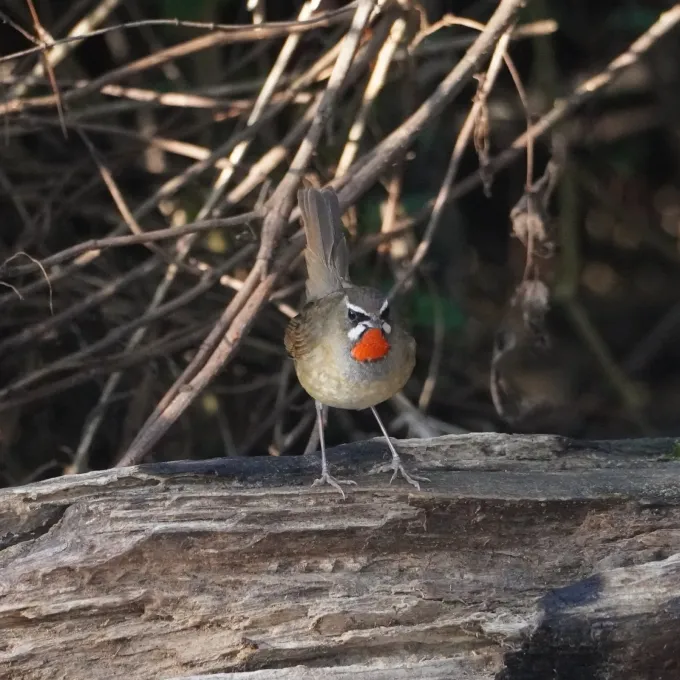
The nightingale (genus Luscinia) is a member of the Muscicapidae family, within the order Passeriformes. It is a small songbird characterized by its elusive nature and brownish plumage.
These birds primarily inhabit areas with dense shrubbery, woodland edges, and riverside thickets, where they can remain concealed while foraging.
Nightingales are identified by their distinct, complex songs and their habit of staying within the lower canopy or ground vegetation layer.
The morphological features of the bird, particularly its beak, are adapted specifically for catching invertebrates rather than processing seeds or plant tissue.
Observing a nightingale in a garden setting is a sign of a healthy ecosystem, as they require specific conditions to survive and nest.
What it damages
The nightingale is not an agricultural pest. In fact, it is widely considered a highly beneficial bird for farmers and gardeners alike.
Their diet is strictly carnivorous, consisting of insects, spiders, larvae, and other small invertebrates found on the forest floor or foliage.
They do not consume grain, fruit, or vegetable crops, making them completely harmless to agricultural produce throughout the entire growing season.
By consuming large numbers of insects, nightingales help keep populations of garden pests in check, providing a form of natural biological control.
Because they do not cause mechanical damage to plants or feed on produce, there is no economic justification for classifying them as pests.
When it appears
Nightingales are migratory birds that arrive in their breeding grounds during the mid-to-late spring as temperatures rise and insect populations increase.
Their presence on farmland is most significant during the spring and summer months when they are actively foraging to feed their nestlings.
By late summer and early autumn, nightingales begin their migration toward their wintering grounds, meaning they are absent during the late harvest season.
The bird's lifecycle aligns with the peak activity of many agricultural insect pests, which serves to provide maximum natural protection for the crops.
During the winter months, these birds are not present in temperate agricultural zones, removing any concern regarding winter-crop damage.
Control measures
No control measures are needed against nightingales, as they are not pests and pose no threat to plant life or agricultural productivity.
Instead of seeking to control them, land managers should encourage nightingales to nest nearby by maintaining patches of dense vegetation and shrubs.
Reducing the use of broad-spectrum pesticides is the best way to ensure that these beneficial insectivores thrive on your property.
Integrating nightingales into your pest management strategy can lead to a reduction in the need for synthetic chemicals for insect control.
Professional agronomists classify the nightingale as an essential part of the agricultural ecosystem, advocating for their protection and conservation.
Taxonomy
- Latin name
- Luscinia
- Family
- Muscicapidae
- EPPO code
- LUSCSP
Discussion
No discussions yet — be the first.